
 EN
EN  English
 中文简体
中文简体 عربى
عربى Tiếng Việt
Content
- 1 Essential Air Cooler Facts
- 2 Regional Suitability: Where Air Coolers Perform Best
- 3 Humid Climate Usage: Limitations and Workarounds
- 4 Noise Level Analysis: What to Expect in Decibels
- 5 Calculating Sufficient Airflow for Your Space
- 6 Allergy Considerations: Safety and Air Quality
- 7 FAQ: Common Air Cooler Questions
Essential Air Cooler Facts
Before diving into technical details, here are the direct answers to your core questions:
- Best regions: Dry climates with humidity below 60% (Southwest US, Mediterranean areas, inland Australia)
- Humid climates: Generally not suitable when humidity exceeds 70%; effectiveness drops 30-50%
- Maximum noise: 65-70 dB for high-speed units; premium models operate at 40-45 dB
- Airflow sufficiency: Calculate 20-30 CFM per square foot of room area
- Allergy suitability: Yes, with HEPA filters; evaporative coolers can increase indoor humidity by 5-10%
Regional Suitability: Where Air Coolers Perform Best
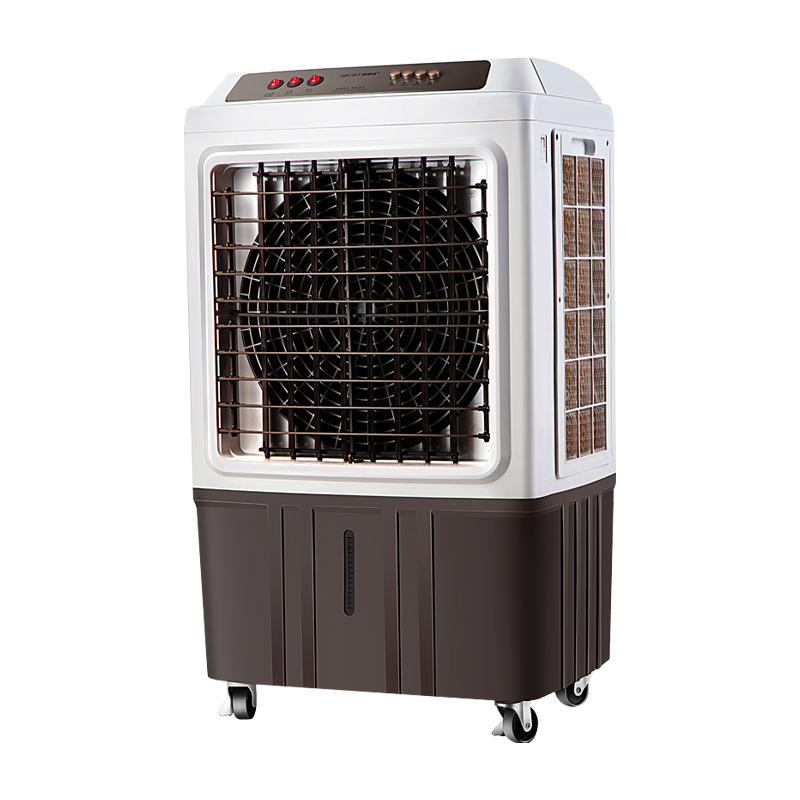
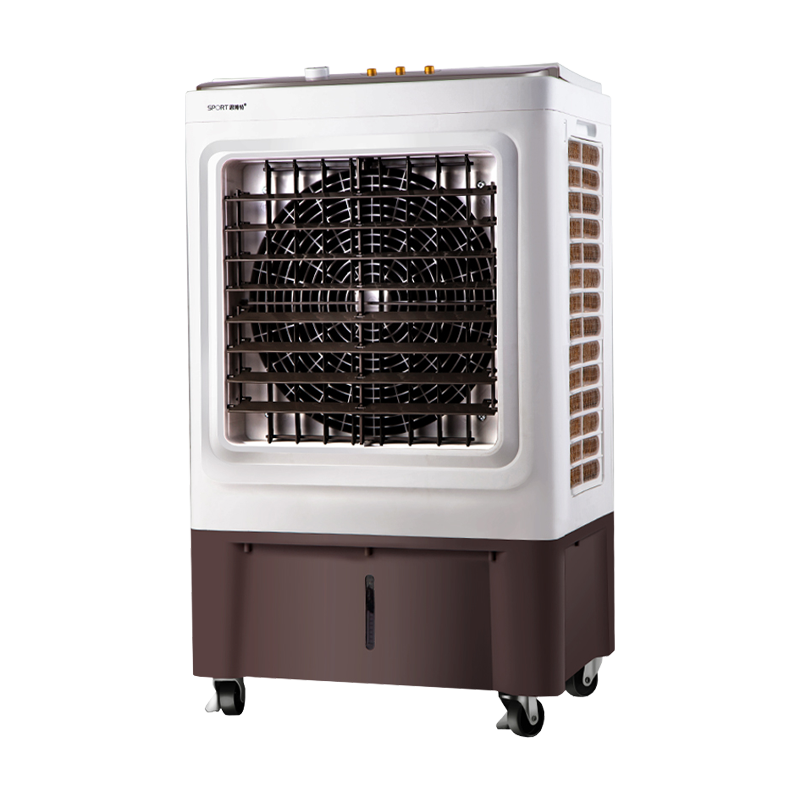
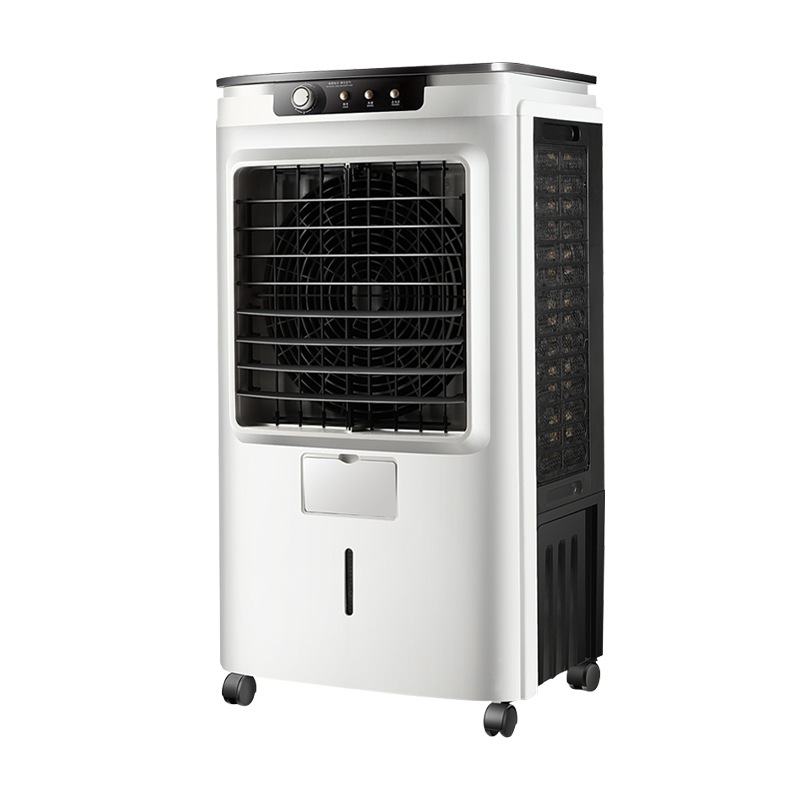
Air coolers (evaporative coolers) operate on the principle of water evaporation absorbing heat from the air. This physics-based mechanism makes them highly dependent on ambient humidity levels. Understanding your local climate is the first step in determining if an air cooler is right for you.
Optimal Climate Conditions
Air coolers achieve maximum efficiency in hot, dry climates where relative humidity ranges between 20% and 60%. In these conditions, evaporation occurs rapidly, producing temperature drops of 15°F to 30°F (8°C to 17°C) below ambient air temperature.
Ideal regions include:
- Southwestern United States (Arizona, Nevada, New Mexico)
- Mediterranean climate zones (Southern Spain, Greece, coastal California)
- Inland Australia and Middle Eastern desert regions
- Northern India during pre-monsoon summer months
Performance Degradation in Humid Areas
When relative humidity exceeds 70%, the air's capacity to absorb additional moisture diminishes significantly. At 85% humidity, an air cooler may only achieve a 3-5°F temperature reduction, rendering it practically ineffective compared to refrigerant-based air conditioners.
| Relative Humidity | Expected Cooling | Suitability Rating |
|---|---|---|
| 20-30% | 20-30°F drop | Excellent |
| 40-50% | 15-20°F drop | Good |
| 60-70% | 8-12°F drop | Fair |
| 80%+ | 3-5°F drop | Poor |
Humid Climate Usage: Limitations and Workarounds
While air coolers face significant challenges in humid climates, they are not entirely unusable. Understanding the limitations helps set realistic expectations and identify specific use cases where they might still provide value.
Why Humidity Reduces Effectiveness
The cooling mechanism relies on the latent heat of vaporization—water molecules absorb heat energy when transitioning from liquid to gas. In humid air (above 70% relative humidity), the air is already saturated with moisture, leaving minimal capacity for additional evaporation. This saturation point means the cooling pad cannot efficiently release water vapor into the air stream.
Exceptions and Partial Solutions
In humid regions, air coolers may still work effectively in specific scenarios:
- Well-ventilated outdoor spaces: Patios, garages, and workshops with constant airflow prevent humidity buildup
- Supplemental ventilation: Using exhaust fans to remove humid air while drawing in fresh air improves performance by 15-25%
- Dehumidifier combination: Running a dehumidifier beforehand can reduce room humidity from 75% to 55%, making air coolers viable
- Ice-enhanced models: Some units include ice compartments that provide 3-5°F additional cooling regardless of humidity
For residents of Florida, Louisiana, or Southeast Asia, refrigerant-based air conditioning remains the practical choice for indoor cooling. However, portable air coolers can still serve as personal cooling devices when directed at the user from 3-5 feet away, even in 80% humidity environments.
Noise Level Analysis: What to Expect in Decibels
Noise output is a critical factor for bedroom or office use. Air coolers generate sound primarily from the fan motor and water pump, with larger units producing more airflow but potentially higher decibel levels.
Decibel Range by Unit Type
The typical maximum noise level for air coolers ranges from 50 dB to 70 dB at maximum fan speed. Here's how different categories compare:
| Unit Type | Low Speed (dB) | High Speed (dB) | Comparable To |
|---|---|---|---|
| Personal/Desktop (under 100 CFM) | 35-40 | 45-50 | Quiet office |
| Mid-size Portable (300-500 CFM) | 40-45 | 55-60 | Normal conversation |
| Large Room Unit (1000+ CFM) | 45-50 | 60-70 | Vacuum cleaner |
| Industrial/Commercial | 50-55 | 65-75 | Busy traffic |
Sleep-Friendly Operation
For bedroom use, look for models with sleep mode or night settings that cap noise at 40-45 dB. Many modern units feature DC motors that reduce noise by 30% compared to traditional AC motors. Positioning the unit at least 6 feet from the bed and using the lowest effective fan speed can further minimize sleep disruption.
Calculating Sufficient Airflow for Your Space
Determining whether an air cooler's airflow is sufficient requires basic calculations based on room dimensions and desired air exchange rate. An undersized unit will struggle to cool the space, while an oversized unit wastes energy and creates excessive humidity.
The CFM Calculation Formula
Use this standard formula to calculate required airflow:
Required CFM = Room Square Footage × Ceiling Height × Air Changes per Hour ÷ 60
For residential cooling, aim for 2-3 air changes per hour (ACH). High-heat kitchens or workshops may require 4-5 ACH.
Practical Sizing Examples
Consider a standard bedroom measuring 12ft × 15ft with 8ft ceilings:
- Calculate volume: 12 × 15 × 8 = 1,440 cubic feet
- For 3 air changes per hour: 1,440 × 3 = 4,320 cubic feet per hour
- Convert to CFM: 4,320 ÷ 60 = 72 CFM minimum
- Add 20% buffer for heat load: 72 × 1.2 = 86 CFM recommended
For quick reference, use this rule of thumb: 20-30 CFM per square foot of floor space for normal ceiling heights (8-9 feet).
Signs of Insufficient Airflow
If your air cooler exhibits these symptoms, the airflow is likely inadequate for the space:
- Air feels cool only within 3 feet of the unit
- Room temperature drops less than 5°F after 2 hours of operation
- Condensation forms on walls or windows (indicates poor air circulation)
- Unit runs continuously on maximum speed without achieving comfort
Allergy Considerations: Safety and Air Quality
Air coolers present a mixed profile for allergy sufferers. While they avoid the dry air issues of traditional AC units, they introduce moisture that can affect indoor air quality and allergen levels.
Potential Allergy Concerns
The primary risk involves mold and mildew growth. Standing water in the reservoir and moisture on cooling pads can become breeding grounds for fungi if not properly maintained. Studies show that poorly maintained evaporative coolers can increase indoor mold spore counts by 200-400% within 48 hours of operation.
Additionally, the increased humidity (typically raising indoor relative humidity by 5-15%) can trigger dust mite proliferation, as these allergens thrive in humidity above 50%.
Allergy-Safe Operation Guidelines
Despite these concerns, air coolers can be suitable for people with allergies when proper precautions are taken:
- Daily water changes: Replace reservoir water every 24 hours to prevent bacterial growth
- Weekly pad cleaning: Remove and clean cooling pads with vinegar solution weekly; replace monthly during heavy use
- HEPA filtration: Choose models with True HEPA filters that capture 99.97% of particles 0.3 microns and larger
- Humidity monitoring: Use a hygrometer to ensure indoor humidity stays between 30-50%; ventilate if levels exceed 55%
- End-of-season deep clean: Run a 50/50 vinegar-water solution through the system before storage
Benefits for Allergy Sufferers
Unlike refrigerant AC units that can dry out nasal passages and irritate respiratory systems, air coolers maintain natural humidity levels. Models with activated carbon filters can also remove pollen, pet dander, and smoke particles. For individuals with dry-eye syndrome or sinus sensitivity, the added moisture often provides relief compared to dehumidifying air conditioners.
FAQ: Common Air Cooler Questions
How much water does an air cooler use daily?
Consumption varies by unit size and operating hours. Small personal units use 0.5-1 gallon per day, while large whole-house systems may consume 5-10 gallons daily. In extremely dry climates (below 30% humidity), expect usage at the higher end of these ranges.
Can air coolers replace air conditioning completely?
In suitable climates (humidity below 60%), a properly sized air cooler can replace AC for comfort cooling, potentially reducing energy costs by 50-75%. However, they cannot match the precise temperature control of refrigerant systems and become ineffective during humid weather or heat waves with high humidity.
Do air coolers work without water?
Without water, an air cooler functions as a standard fan, providing no cooling effect beyond air movement. The evaporative process requires water to absorb heat. Running dry for extended periods may also damage the cooling pads.
What maintenance is required?
Regular maintenance includes:
- Daily: Empty and refill water reservoir
- Weekly: Clean cooling pads and wipe down interior surfaces
- Monthly: Replace or deep-clean pads; check water pump for debris
- Seasonally: Deep clean entire system; lubricate fan motor if required
Are portable air coolers effective?
Portable units (under 300 CFM) are effective for personal cooling within a 3-6 foot radius, similar to a desk fan with added cooling. They cannot cool entire rooms but provide localized comfort at workstations or bedside. For room cooling, minimum 500 CFM is recommended.

 CONTACT US