1. Working Principle
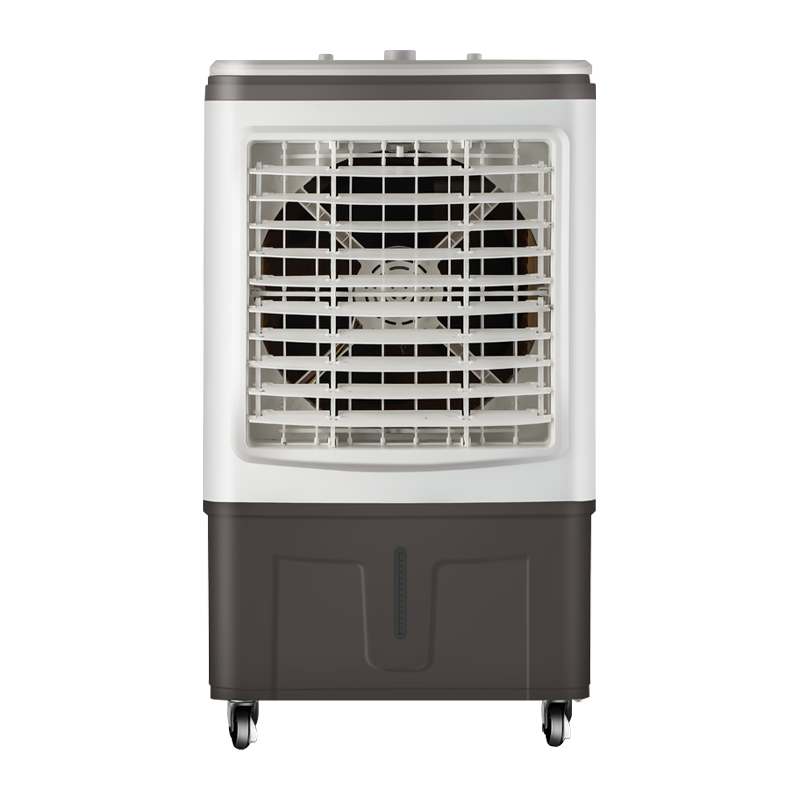
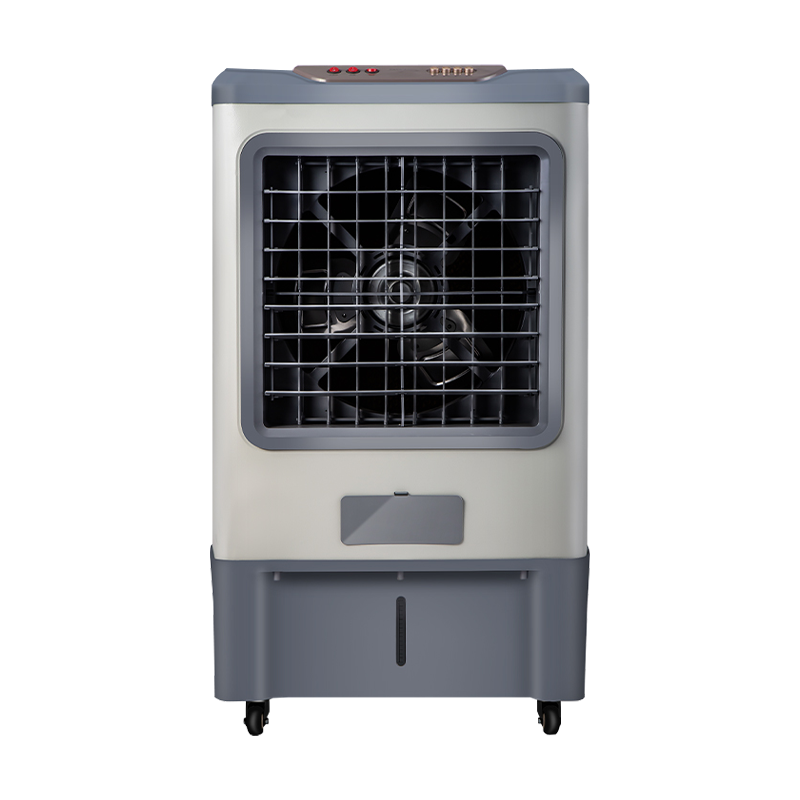
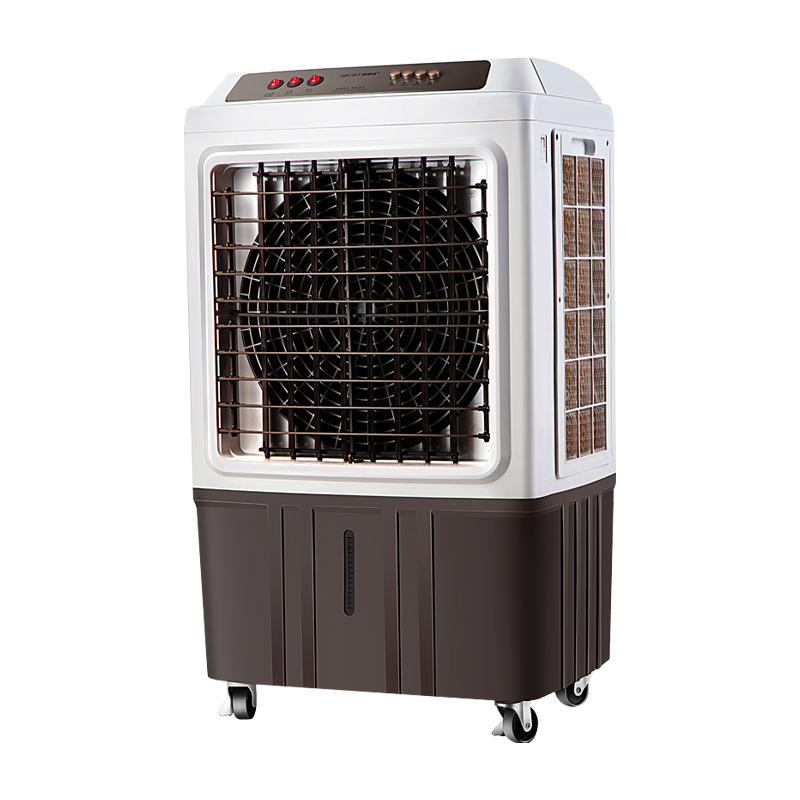
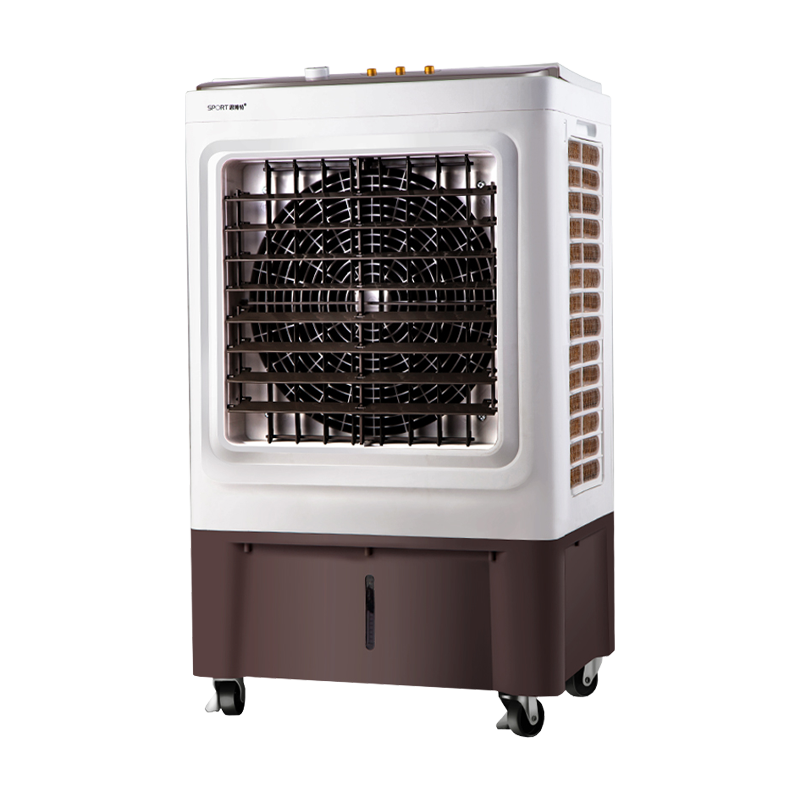
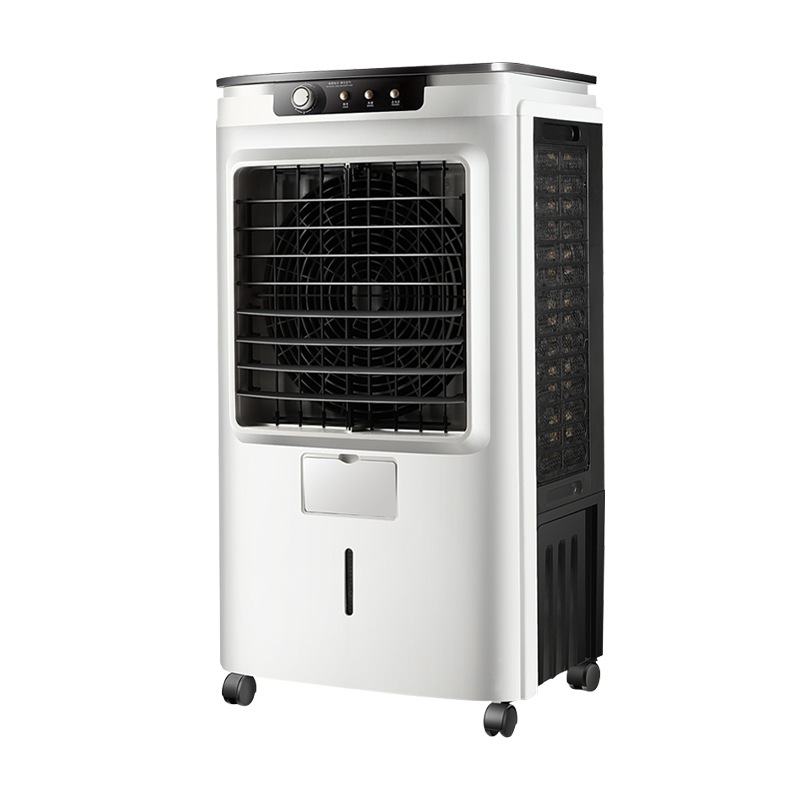
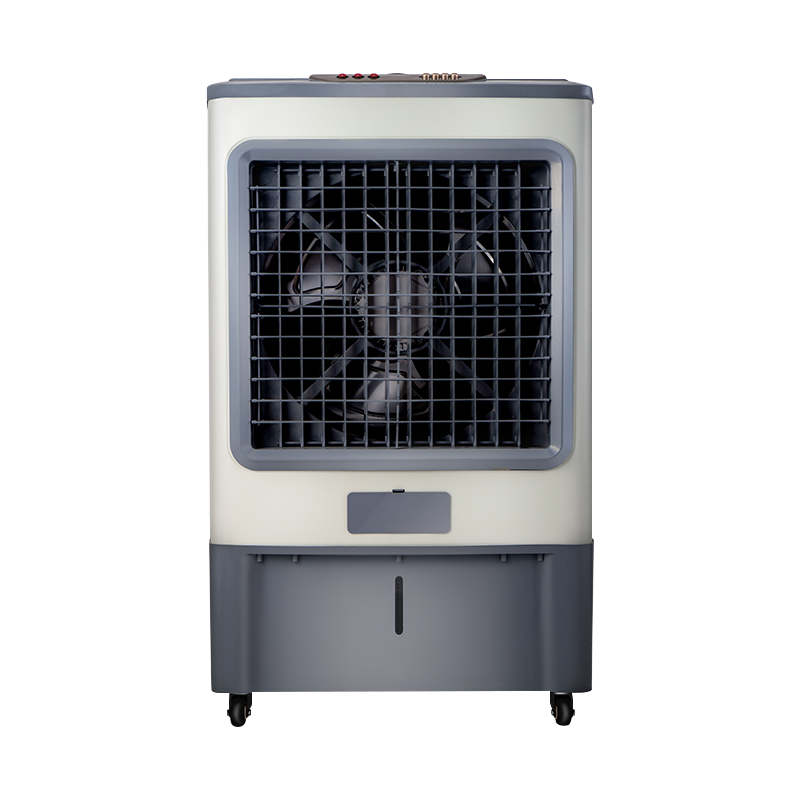
Evaporation Process: The Evaporative Air Cooler draws warm air through water-saturated pads. As the air passes through, water evaporates, absorbing heat and lowering the air temperature. The cooled air is then circulated back into the living space.
Humidity Factor: The efficiency of evaporative coolers is significantly influenced by the ambient humidity. They work better in low-humidity conditions, where the evaporation rate is higher.
2. Types of Evaporative Coolers
Direct Evaporative Coolers: These coolers use water-saturated pads directly in the airflow path. They provide immediate cooling and humidity.
Indirect Evaporative Coolers: These coolers cool the air without adding humidity, using a heat exchanger. They are suitable for more humid climates.
3. Key Components
Cooling Pads: Made of cellulose or synthetic materials, these pads absorb water and facilitate the evaporation process.
Fans: High-efficiency fans are crucial for drawing air through the pads and distributing cooled air throughout the space.
Water Pump: Circulates water over the pads, ensuring they remain saturated for optimal cooling.
Control Systems: Include manual or digital controls for adjusting fan speed and water flow, often with timers and remote access.
4. Energy Efficiency
Low Power Consumption: Evaporative coolers generally consume less electricity compared to traditional air conditioning systems, making them a cost-effective option.
Sustainable Cooling: By using the natural process of evaporation, these coolers have a smaller carbon footprint and are more environmentally friendly.
5. Applications
Residential Use: Ideal for homes in arid regions, they provide effective cooling at a lower cost than air conditioning.
Commercial Use: Widely used in warehouses, factories, and agricultural settings, where large spaces need cooling without high energy costs.
Outdoor Spaces: Increasingly popular for patios, sports facilities, and event venues.
6. Maintenance Considerations
Regular Cleaning: Pads and water reservoirs should be cleaned to prevent mold and mineral buildup.
Seasonal Maintenance: At the end of the cooling season, units should be drained, cleaned, and stored properly.
Pad Replacement: Cooling pads typically need replacement every one to two years, depending on water quality and usage.
7. Market Trends
Technological Advances: Innovations in fan design, cooling pad materials, and smart technology integrations are enhancing performance and user experience.
Smart Cooling Solutions: Many modern units now feature smart controls that allow users to adjust settings via mobile apps, integrating with home automation systems.
Eco-Friendly Designs: Manufacturers are increasingly focusing on sustainable materials and energy-efficient designs to appeal to environmentally conscious consumers.
8. Challenges
Humidity Limitations: In high-humidity areas, the cooling effectiveness of evaporative coolers diminishes, limiting their applicability.
Water Quality: Poor water quality can lead to mineral buildup and reduced efficiency, necessitating the use of treated water for optimal performance.

 EN
EN  English
 中文简体
中文简体 عربى
عربى Tiếng Việt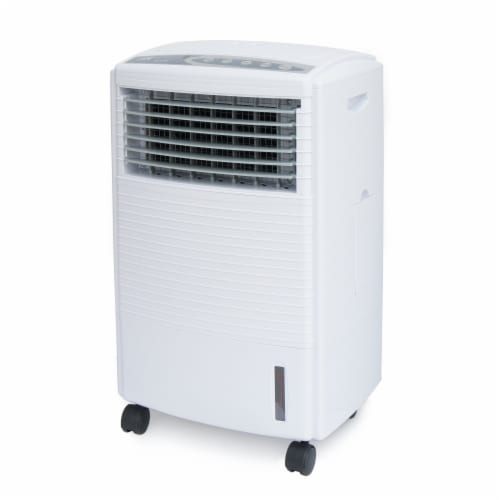

 CONTACT US