Evaporative cooling works best when relative humidity stays below 60%. In arid and semi-arid regions where summer temperatures exceed 35°C and humidi...
READ MORECellulose cooler pads win on raw cooling performance, while synthetic pads win on chemical resistance and service life in harsh water conditions. Fo...
READ MOREIf your space is large, dusty, or hot but not humid — such as a workshop, greenhouse, or factory floor — an evaporative air cooler is generally the ...
READ MOREThe direct answer: cellulose honeycomb paper (wet curtain paper) outperforms all competing materials in real-world evaporative cooling application...
READ MORE1. Material Types
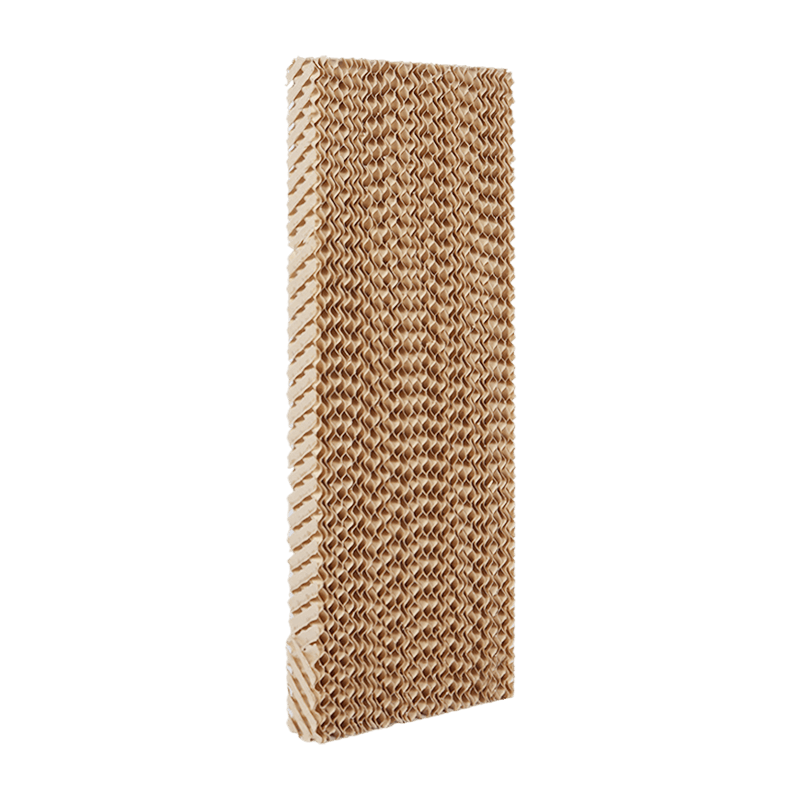
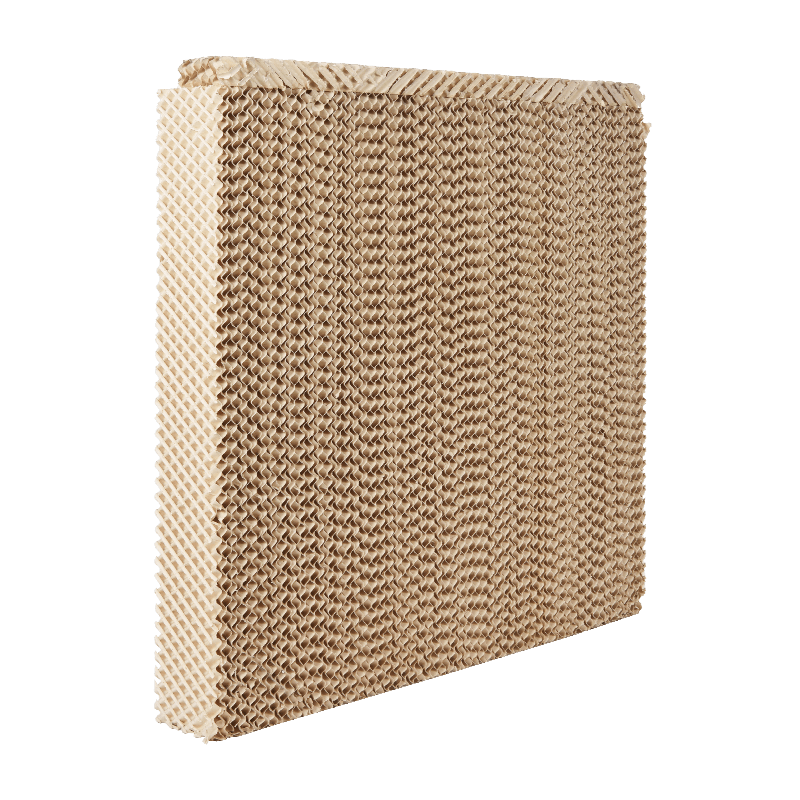
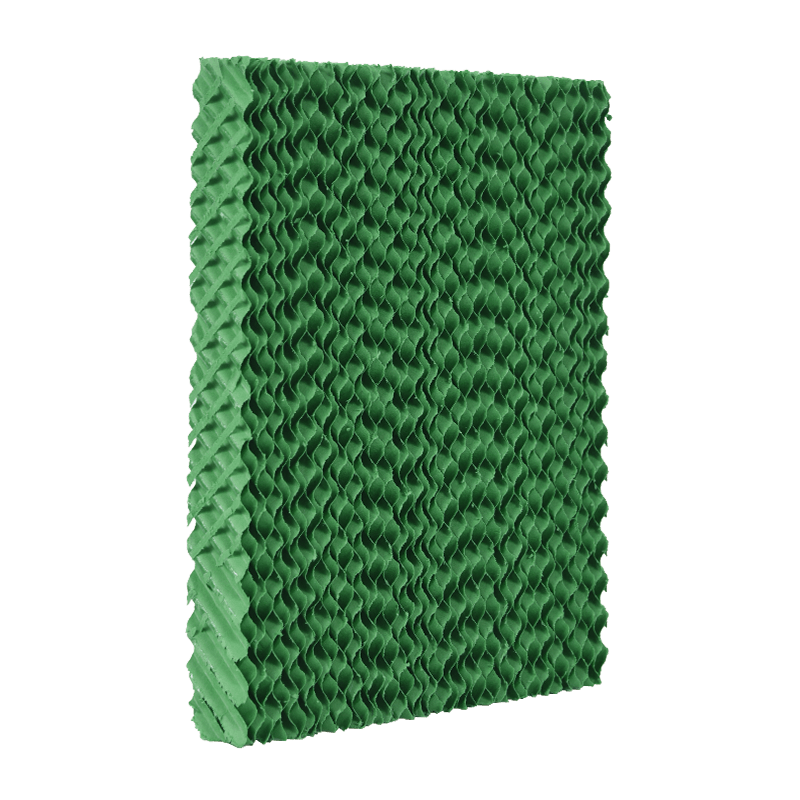
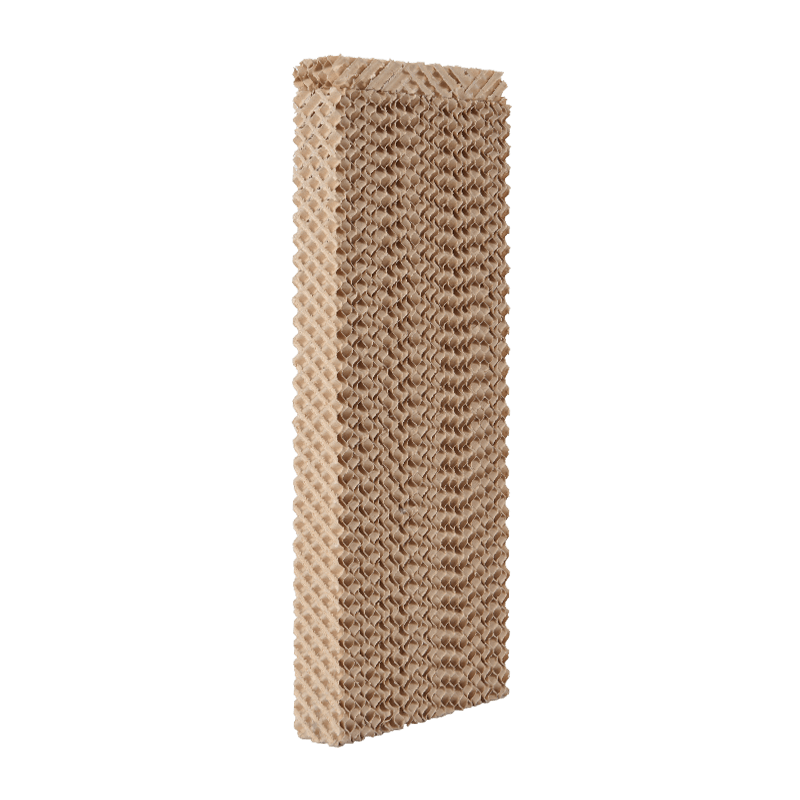
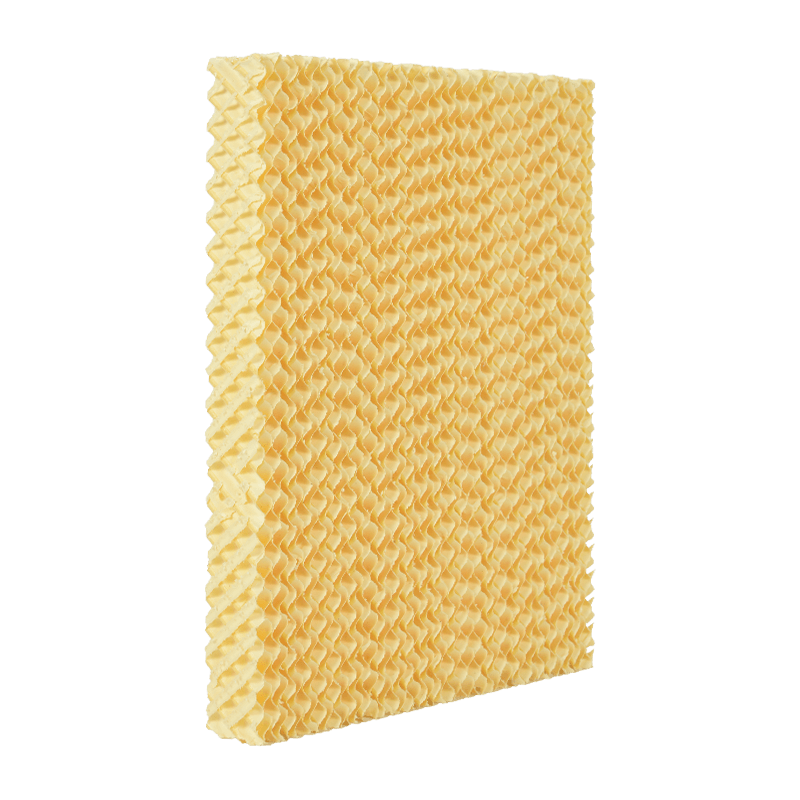
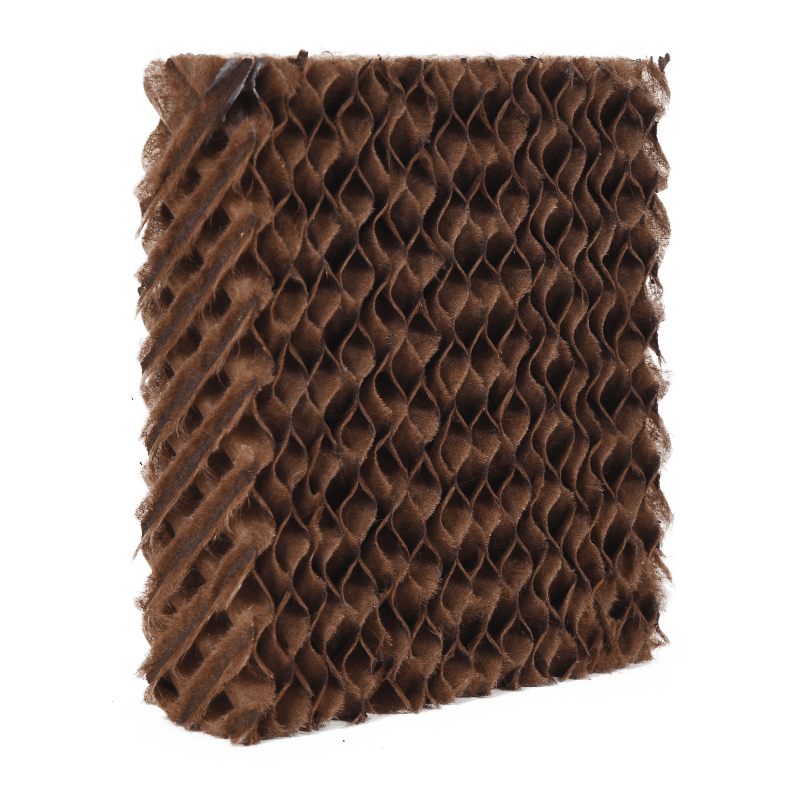
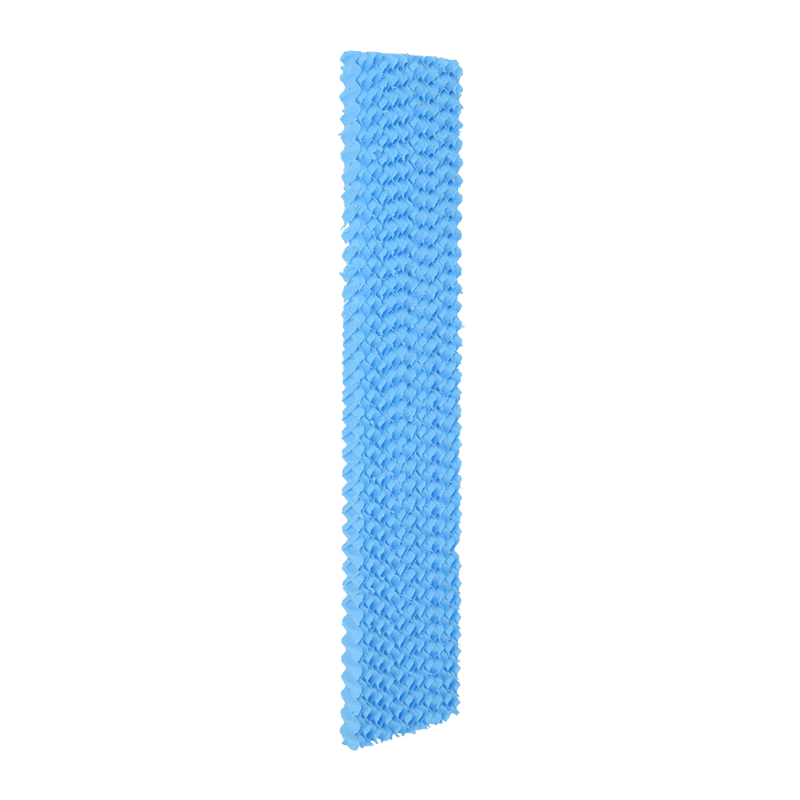
Cellulose Pads: Made from specially treated paper, these pads offer good water absorption and durability. They are commonly used due to their high cooling efficiency.
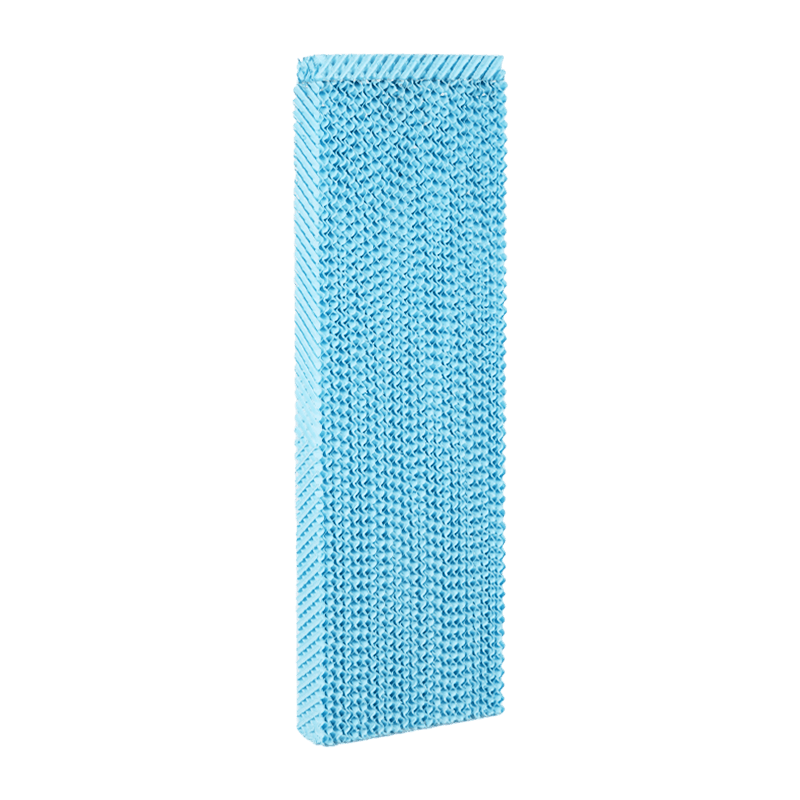
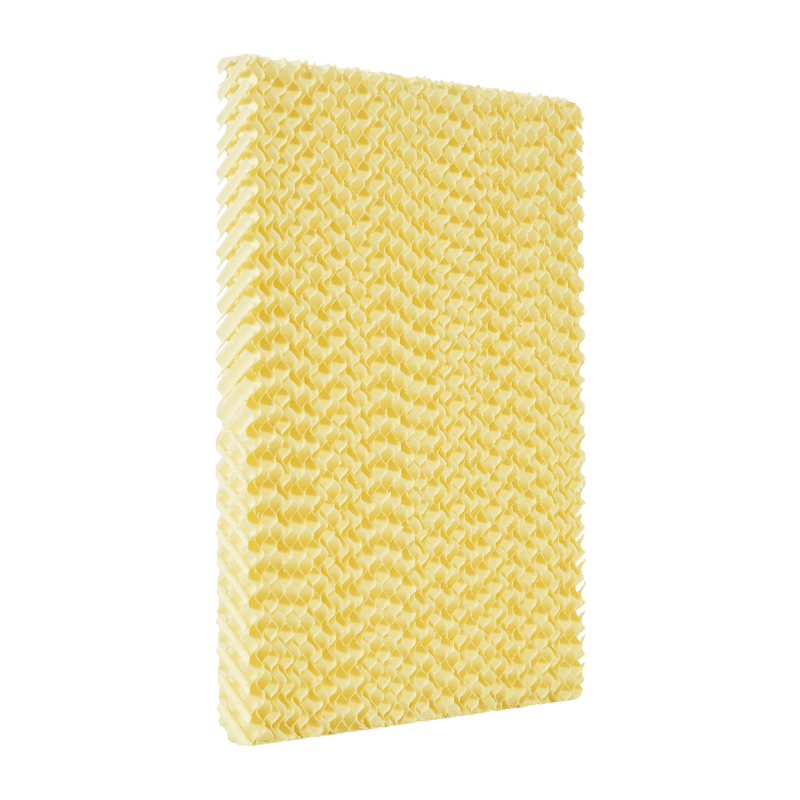
Synthetic Pads: Composed of plastic materials like polypropylene, these pads are resistant to mold and decay, providing a longer lifespan, though they may be less effective in heat absorption compared to cellulose.
Aluminum Pads: These are less common but can be used in some specialized applications for their heat transfer properties.
2. Cooling Mechanism
Evaporative Cooling Process: As warm air passes over the moist pads, water evaporates, absorbing heat from the air and lowering its temperature. The effectiveness of the pads directly impacts the cooling efficiency of the system.
3. Pad Design
Thickness and Surface Area: Thicker pads or those with greater surface area enhance cooling by allowing more water to evaporate.
Airflow Direction: Pads can be designed for vertical or horizontal airflow, depending on the specific cooling system setup.
4. Maintenance
Cleaning: Regular cleaning is essential to prevent mold and mineral buildup. Pads should be replaced periodically based on water quality and usage frequency.
Lifespan: The lifespan varies by material; cellulose pads may last one to two seasons, while synthetic pads can last longer.
5. Applications
Residential Cooling: Widely used in homes, particularly in dry climates where evaporative cooling is effective.
Commercial and Industrial Use: Found in warehouses, factories, and agricultural settings, providing cost-effective cooling solutions.
6. Efficiency Factors
Water Quality: Hard water can lead to mineral buildup, affecting pad performance. Using treated water can enhance pad lifespan and efficiency.
Humidity Levels: Evaporative cooler pads work best in low-humidity conditions, as high humidity reduces the evaporation rate and cooling efficiency.
7. Environmental Impact
Energy Efficiency: Evaporative cooling systems typically consume less energy than traditional air conditioning systems, making them more environmentally friendly.
Sustainability: Many manufacturers are focusing on eco-friendly materials and processes in pad production.
8. Market Trends
Innovative Materials: Research into new materials and designs that enhance cooling efficiency and durability is ongoing.
Smart Technologies: Integration of smart controls for monitoring and optimizing cooler performance is gaining traction.
01
02
03
04
05
06
07
08
CONTACT US