
 EN
EN  English
 中文简体
中文简体 عربى
عربى Tiếng Việt
Content
- 1 What to Look for When Buying an Air Cooler
- 2 Understanding Air Cooler Types and Their Best Uses
- 3 Critical Specifications That Determine Cooling Performance
- 4 Critical Specifications That Determine Cooling Performance
- 5 Energy Efficiency and Operating Costs
- 6 Essential Features for Modern Air Coolers
- 7 Climate Considerations: When Air Coolers Work Best
- 8 Maintenance Requirements and Longevity
- 9 Frequently Asked Questions About Air Coolers
- 10 Price Range and Value Assessment
- 11 Final Checklist Before Purchase
What to Look for When Buying an Air Cooler
The ideal air cooler depends on room size, local climate, and water tank capacity. For rooms up to 150 sq ft, choose a personal cooler with 15-20L tank. For 300+ sq ft spaces, opt for desert coolers with 40-60L tanks and airflow above 3000 CMH. Always check the energy rating—5-star models consume 40% less electricity than non-rated units.
Understanding Air Cooler Types and Their Best Uses
Not all air coolers perform equally across different environments. Selecting the wrong type leads to ineffective cooling and wasted investment.
Personal Air Coolers
Designed for individual use in small spaces up to 150 square feet. These portable units typically feature 15-30 liter water tanks and airflow rates between 1000-2000 CMH (cubic meters per hour). Best suited for bedrooms, study rooms, or small offices where mobility matters.
Desert Air Coolers
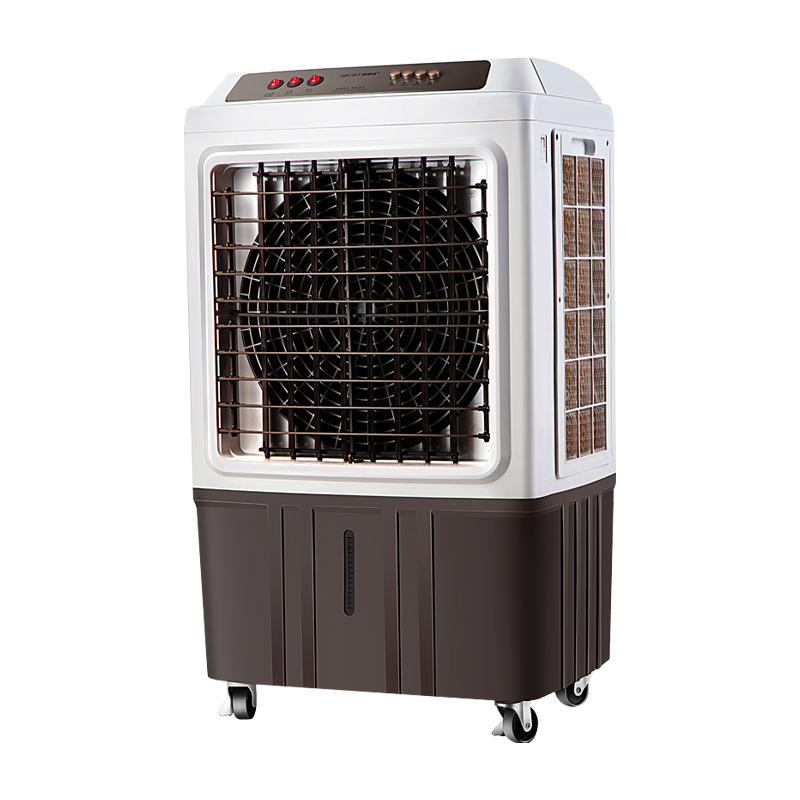
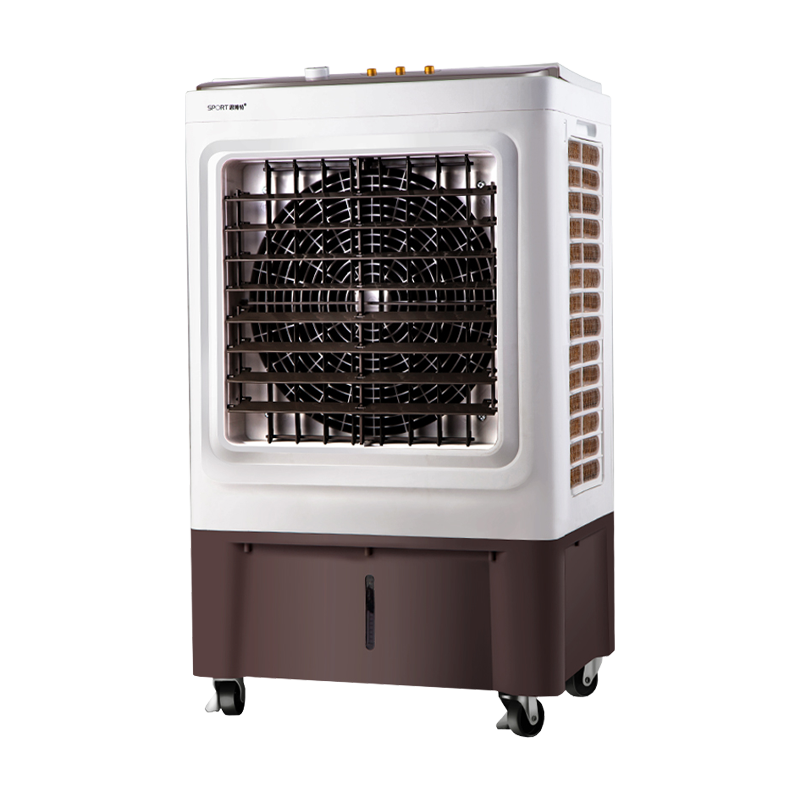
Built for large spaces between 300-600 square feet and dry climates. These floor-standing units hold 40-90 liters of water and deliver airflow exceeding 3000 CMH. The larger pad surface area and powerful motors make them effective in living rooms, halls, and commercial spaces.
Tower Air Coolers
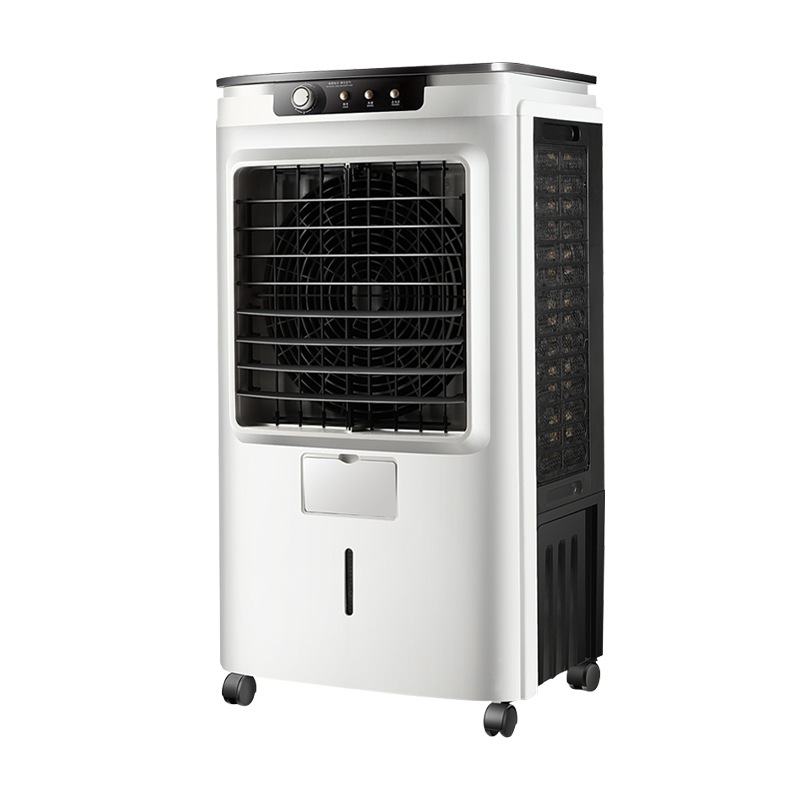
Slim vertical designs saving floor space while cooling areas up to 250 square feet. Tower coolers typically range from 20-40 liters capacity with 1500-2500 CMH airflow. Ideal for modern apartments where space optimization is crucial.
| Cooler Type | Room Size | Tank Capacity | Airflow (CMH) | Best For |
|---|---|---|---|---|
| Personal | Up to 150 sq ft | 15-30L | 1000-2000 | Bedrooms, small offices |
| Tower | 150-250 sq ft | 20-40L | 1500-2500 | Compact apartments |
| Desert | 300-600 sq ft | 40-90L | 3000-5500 | Living rooms, halls |
Critical Specifications That Determine Cooling Performance
Cooling Pad Material
The cooling pad directly impacts efficiency. Honeycomb cellulose pads offer superior water absorption and cooling efficiency compared to traditional wood wool pads. Quality honeycomb pads last 3-5 years versus 1-2 years for wood wool, justifying the higher initial cost.
Water Tank Capacity and Runtime
Calculate required capacity based on runtime needs. A 40-liter tank typically provides 8-10 hours of continuous operation at medium speed. For overnight use without refilling, ensure minimum 35L capacity or models with continuous water supply connections.
Fan Speed and Air Throw Distance
20-40L1500-2500Compact apartmentsDesert300-600 sq ft40-90L3000-5500Living rooms, halls
Critical Specifications That Determine Cooling Performance
Cooling Pad Material
The cooling pad directly impacts efficiency. Honeycomb cellulose pads offer superior water absorption and cooling efficiency compared to traditional wood wool pads. Quality honeycomb pads last 3-5 years versus 1-2 years for wood wool, justifying the higher initial cost.
Water Tank Capacity and Runtime
Calculate required capacity based on runtime needs. A 40-liter tank typically provides 8-10 hours of continuous operation at medium speed. For overnight use without refilling, ensure minimum 35L capacity or models with continuous water supply connections.
Fan Speed and Air Throw Distance
Air throw distance indicates effective cooling range. Desert coolers should throw air 30-50 feet for whole-room coverage. Variable speed settings (typically 3-5 speeds) allow adjustment based on ambient temperature and comfort preferences.
Energy Efficiency and Operating Costs
Air coolers consume significantly less electricity than air conditioners. Average power consumption ranges from 100W to 250W depending on size and features. A 150W cooler running 8 hours daily costs approximately $8-12 monthly in electricity, compared to $80-120 for a 1.5-ton AC.
Look for inverter technology in premium models, which reduces power consumption by 30-40% during partial load conditions. Energy-efficient models often feature BEE (Bureau of Energy Efficiency) star ratings—opt for 4-star or 5-star rated units for maximum savings.
Essential Features for Modern Air Coolers
Remote Control and Smart Functions
Remote-controlled operation eliminates the need to manually adjust settings. Advanced models offer timer functions (1-12 hour scheduling), sleep modes that gradually reduce fan speed, and humidity controls. Smart coolers with WiFi connectivity allow smartphone control and integration with home automation systems.
Ice Chamber and Enhanced Cooling
Dedicated ice chambers provide immediate temperature drops of 3-5°C compared to water-only cooling. While not essential for moderate climates, this feature proves valuable during peak summer when ambient temperatures exceed 40°C (104°F).
Mosquito and Dust Filters
Washable dust filters prevent particle buildup on cooling pads, maintaining efficiency and air quality. Mosquito breeding prevention nets are crucial in tropical regions, stopping insect entry into water tanks while allowing air circulation.
Climate Considerations: When Air Coolers Work Best
Air coolers operate on evaporative cooling principles, making them highly effective in dry climates with humidity below 60%. In regions like Rajasthan, Arizona, or inland Australia, coolers can reduce temperatures by 10-15°C (18-27°F).
In humid coastal areas where relative humidity exceeds 70%, cooling efficiency drops significantly—often achieving only 3-5°C reduction. For such climates, consider hybrid coolers with dehumidification functions or supplemental AC use during monsoon seasons.
Maintenance Requirements and Longevity
Regular maintenance extends cooler lifespan from an average 5 years to 8-10 years. Weekly tasks include:
- Draining and refilling water to prevent algae growth
- Cleaning water distribution pipes to ensure even pad wetting
- Wiping external surfaces and checking castor wheel mobility
Seasonal maintenance involves deep cleaning cooling pads with mild detergent, lubricating fan motors, and inspecting electrical connections. Hard water areas require descaling every 2-3 months to prevent mineral buildup on pads and pumps.
Frequently Asked Questions About Air Coolers
How much water does an air cooler use daily?
Average consumption ranges from 3-10 liters per hour depending on fan speed, pad size, and ambient temperature. A medium-sized desert cooler operating 10 hours daily uses approximately 50-70 liters. Models with water level indicators prevent dry running that damages pumps.
Can air coolers work without water?
Yes, but only as fans without cooling capability. Running without water provides air circulation equivalent to pedestal fans but consumes more electricity (150-200W versus 50-80W for standard fans). Always ensure pumps are switched off when running dry to prevent motor burnout.
Why does my air cooler smell bad?
Musty odors indicate bacterial or algae growth in the tank or pads. Solutions include:
- Adding 2-3 tablespoons of baking soda or vinegar to the water tank weekly
- Replacing cooling pads every 2-3 seasons
- Ensuring complete drainage when not in use for extended periods
- Using copper ionization features available in premium models
Is it safe to use air coolers for babies or elderly people?
Air coolers are generally safer than ACs for sensitive individuals because they don't cause sudden temperature shocks or dry out air excessively. Maintain water hygiene strictly and keep coolers clean to prevent respiratory irritants. Avoid direct airflow on infants—position coolers to allow indirect circulation.
How noisy are air coolers?
Noise levels range from 35-60 decibels depending on size and speed. Personal coolers typically operate at 35-45 dB (comparable to quiet conversation), while powerful desert coolers reach 50-60 dB (similar to normal conversation). Look for models advertising "silent operation" or noise reduction technology for bedroom use.
Price Range and Value Assessment
Air cooler prices vary significantly based on capacity and features:
- Basic personal coolers: $50-100 (15-25L capacity, manual controls)
- Mid-range tower models: $100-200 (remote control, ice chamber, 25-35L)
- Premium desert coolers: $200-400 (honeycomb pads, inverter technology, 50L+ capacity)
- Smart/hybrid models: $300-600 (WiFi connectivity, air purification, humidity control)
Calculate total cost of ownership over 5 years including electricity, maintenance, and pad replacements. A $250 energy-efficient model often proves cheaper long-term than a $150 basic unit consuming 40% more power.
Final Checklist Before Purchase
Verify these specifications before finalizing your air cooler selection:
- Measure your room and match with appropriate CMH rating
- Confirm water tank capacity supports your daily usage pattern
- Check for honeycomb cooling pads rather than wood wool
- Verify inverter compatibility if you use solar power or generators
- Ensure castor wheels and cord length suit your space layout
- Review warranty terms—look for minimum 1-year comprehensive coverage
- Confirm availability of replacement pads and parts in your region
Making an informed decision based on these criteria ensures optimal cooling performance, energy efficiency, and long-term satisfaction with your air cooler investment.

 CONTACT US