
 EN
EN  English
 中文简体
中文简体 عربى
عربى Tiếng Việt
The Primary Function of an Evaporative Air Cooler
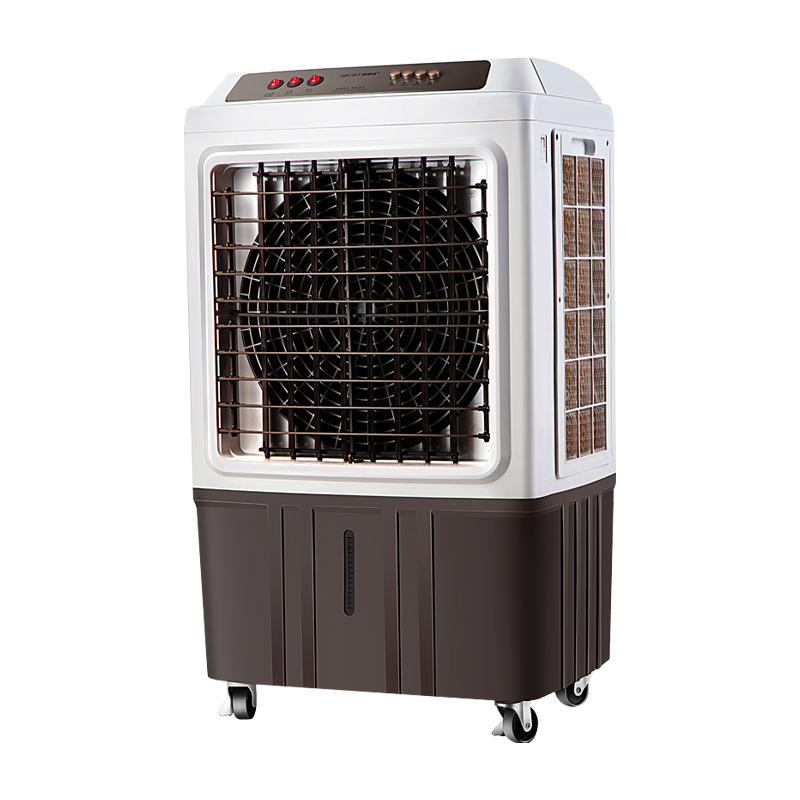
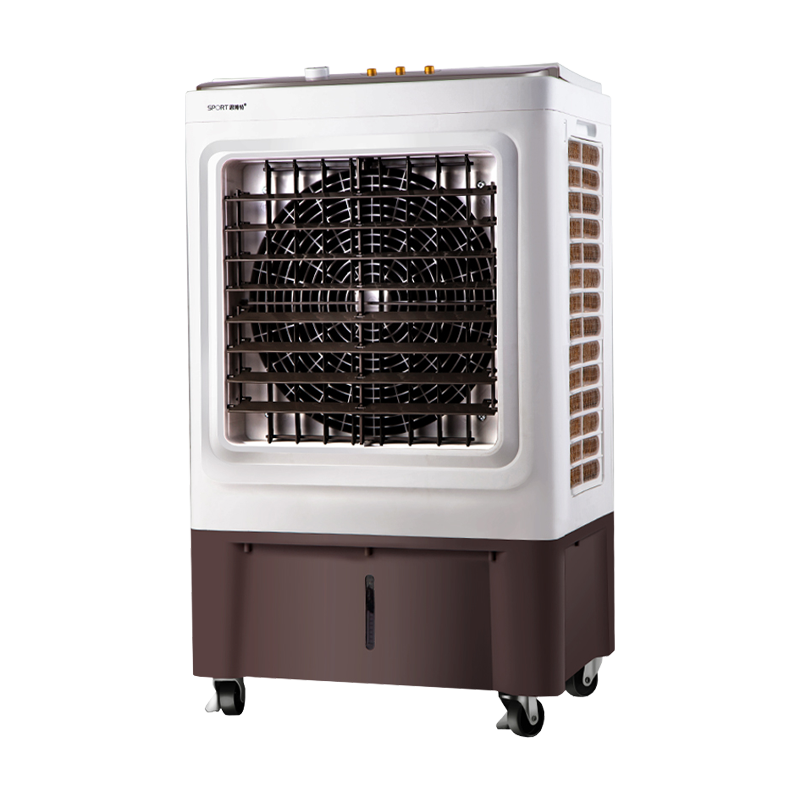
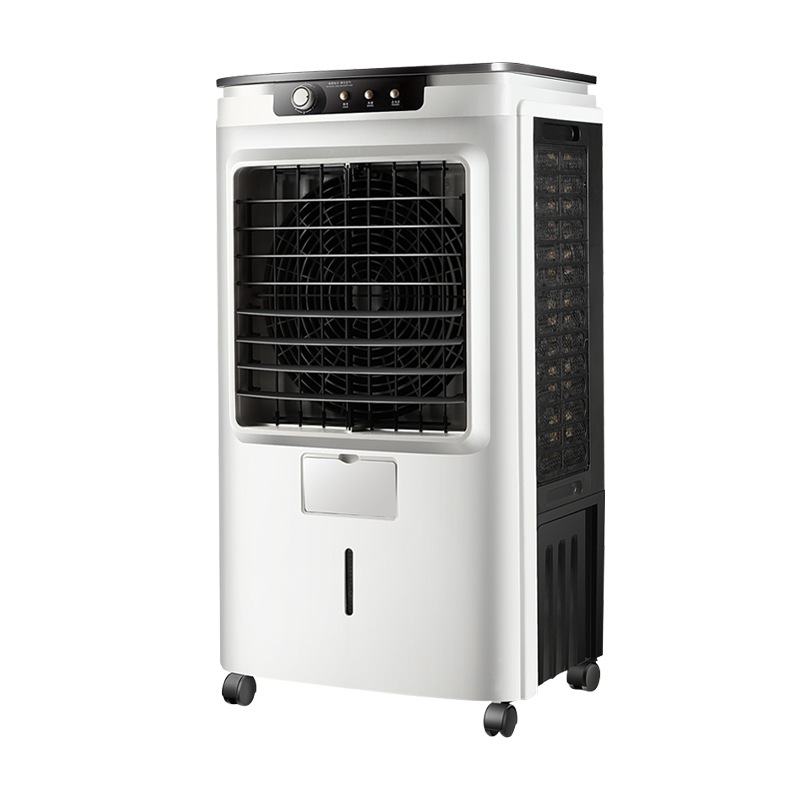
The primary function of an evaporative air cooler is to lower air temperature by harnessing the natural process of water evaporation. Unlike refrigerated air conditioners that use compressors and chemical refrigerants, evaporative coolers (also known as swamp coolers) draw warm, dry air through water-saturated pads. As the water evaporates, it absorbs heat from the air, reducing the ambient temperature by 5°C to 15°C (9°F to 27°F) in optimal conditions (relative humidity below 50%). Simultaneously, it adds essential moisture to the air, making it ideal for hot, arid climates.
In summary, an evaporative air cooler serves three immediate purposes: cooling, humidifying, and ventilating a space using up to 75% less energy than conventional AC units.
Core Function #1: Natural Cooling Through Evaporation
The cooling effectiveness depends directly on the dry-bulb temperature and relative humidity. The lower the humidity, the greater the cooling effect. For example, at 38°C (100°F) with 20% relative humidity, a well-designed evaporative cooler can deliver air at 24°C (75°F) — a noticeable 14°C (25°F) drop. The table below illustrates typical performance based on ambient conditions:
| Outside Temp (°C) | Relative Humidity | Outlet Temp (°C) | Cooling Effect |
|---|---|---|---|
| 35 | 25% | 24.5 | 10.5°C drop |
| 40 | 20% | 26.8 | 13.2°C drop |
| 45 | 15% | 28.5 | 16.5°C drop |
This cooling function works best in open or semi-open environments such as patios, warehouses, workshops, and garages, where a constant supply of fresh air replaces the humidified air.
Function #2: Continuous Ventilation & Passive Air Filtration
Unlike recirculating AC units, an evaporative cooler operates on a 100% fresh air principle. It pulls outdoor air through moistened cellulose pads or aspen fibers, then pushes the cooled air indoors while forcing stale, warm air out through open windows or vents. This constant air exchange provides two critical benefits:
- Reduces indoor pollutants — smoke, cooking odors, VOCs, and CO₂ are continuously expelled.
- Natural filtration — the water-soaked pads trap larger dust particles, pollen, and other airborne debris. Typical cellulose pads capture up to 90% of particles larger than 10 microns.
This ventilation function makes evaporative coolers especially valuable in factories, animal barns, and commercial kitchens where air quality is a priority.
Function #3: High-Efficiency Cooling with Low Operating Costs
One of the most practical functions of an evaporative air cooler is its radically lower energy consumption. A typical central AC unit draws 3,000–5,000 watts, while an evaporative cooler of similar air-moving capacity (3,000–4,000 CFM) uses only 200–600 watts — roughly 75-85% less electricity. Over a three-month summer season (8 hours/day), this translates to:
- Evaporative cooler cost: ~$30 – $50 USD (based on $0.12/kWh).
- Conventional AC cost: ~$200 – $350 USD for the same period.
Additionally, there are no refrigerant recharge fees, no sealed compressor repairs, and lower peak demand charges. For large facilities like greenhouses or livestock barns, switching from refrigerated cooling to evaporative cooling can reduce annual cooling bills by over 60% while maintaining safe temperature ranges.
Function #4: Active Humidification for Dry Climates
A unique advantage of evaporative coolers is their ability to add moisture to dry indoor air. While AC units dehumidify (often over-drying the air to below 30% RH), evaporative coolers raise indoor relative humidity by 10–20 percentage points. This is beneficial for:
- Reducing static electricity discharge in electronics or textile workshops.
- Improving respiratory comfort — dry air aggravates asthma and sinus issues.
- Preserving wooden furniture, musical instruments, and flooring from cracking due to low humidity.
For example, in a home in Phoenix, Arizona (typical summer humidity 15-20%), running a 3,500 CFM evaporative cooler raises indoor humidity to a comfortable 45–55% RH while maintaining 24-27°C (75-80°F) — all without the dry-eye or itchy-skin side effects of air conditioning.
FAQ: Common Questions About Evaporative Air Cooler Functions
1. Does an evaporative cooler work in humid climates?
Limited effectiveness. When relative humidity exceeds 60-70%, the cooling effect drops to only 2-4°C (4-7°F). In regions like Florida or Singapore, a standard AC is more practical. However, some two-stage (indirect/direct) evaporative coolers can still achieve 8-10°C drops in moderate humidity (50-60%).
2. How often do I need to replace cooling pads?
Rigid cellulose pads (most common) last 3 to 5 years with proper drainage and regular cleaning. Aspen pads need replacement every 3–6 months. Signs of wear include mineral buildup, reduced airflow, or musty odors. Replacing pads restores 85-90% of original cooling efficiency.
3. Can I use an evaporative cooler indoors with closed windows?
No. For proper function, you must keep a window or door partially open (about 2–4 inches). The cooler needs a pressure relief path to push stale air out. Running it in a sealed room will quickly raise humidity to near 100%, causing condensation, mold risks, and no net cooling.
4. How much water does an evaporative cooler consume?
Typical portable units use 3–8 liters (0.8–2.1 gallons) per hour, while large ducted systems use 15–30 liters (4–8 gallons) per hour. Compare this to a swimming pool (thousands of liters) — water consumption is modest. In desert climates, an average home evaporative cooler uses about 500–800 gallons per cooling season, roughly equivalent to two toilet flushes per day per household.
5. What maintenance is required to keep all functions optimal?
Minimal but regular: clean water reservoir every 2-4 weeks (to prevent algae/slime), descale pads every 3 months in hard water areas, and before each season, inspect pump, float valve, and motor. Annual maintenance takes 30-45 minutes and ensures the cooler maintains peak efficiency (saturation efficiency above 80%).
Evaporative Cooler vs. Refrigerated AC: Functional Differences
To decide which cooling function fits your needs, compare their core performance metrics:
| Function / Feature | Evaporative Air Cooler | Refrigerated AC |
|---|---|---|
| Air temperature drop | 5°C – 15°C (depends on humidity) | 10°C – 20°C (any humidity) |
| Humidification effect | Adds 10-20% RH (beneficial in dry air) | Removes moisture (dries air) |
| Ventilation (fresh air) | 100% fresh air (positive pressure) | Recirculates indoor air (needs separate ventilation) |
| Energy consumption (12,000 BTU equivalent) | ~300 Watts | ~1,200 – 1,500 Watts |
| Installation cost | Low ($150 – $800 for portable/ductless) | High ($2,500 – $7,500+ for central) |
Choose an evaporative cooler if you live in a dry climate (RH < 50% most of the time), want low operating costs, and value continuous fresh air ventilation. Choose refrigerated AC for humid climates or when you need precise temperature control regardless of outdoor conditions.

 CONTACT US