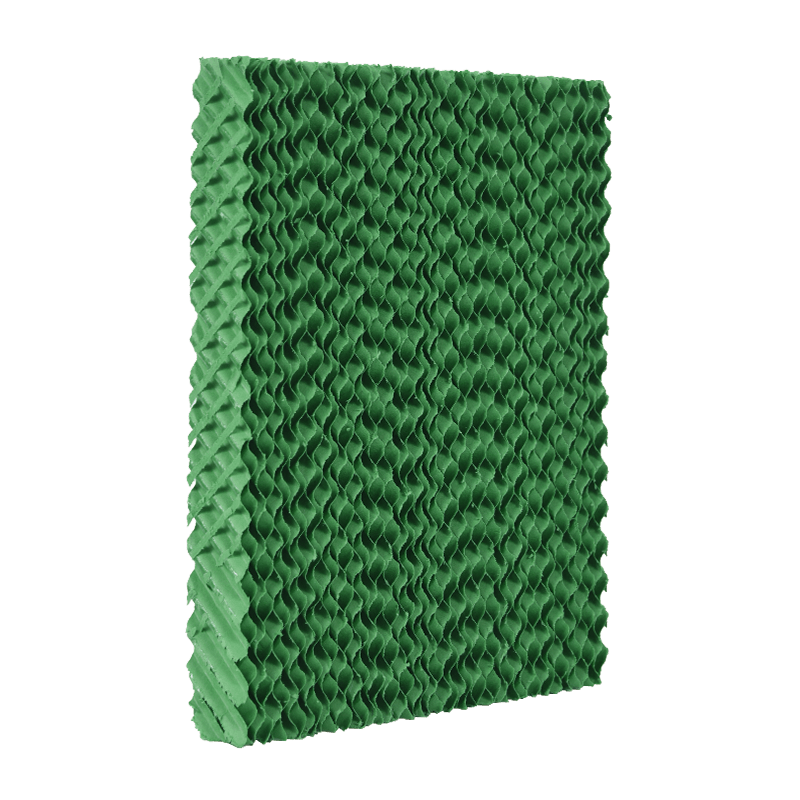
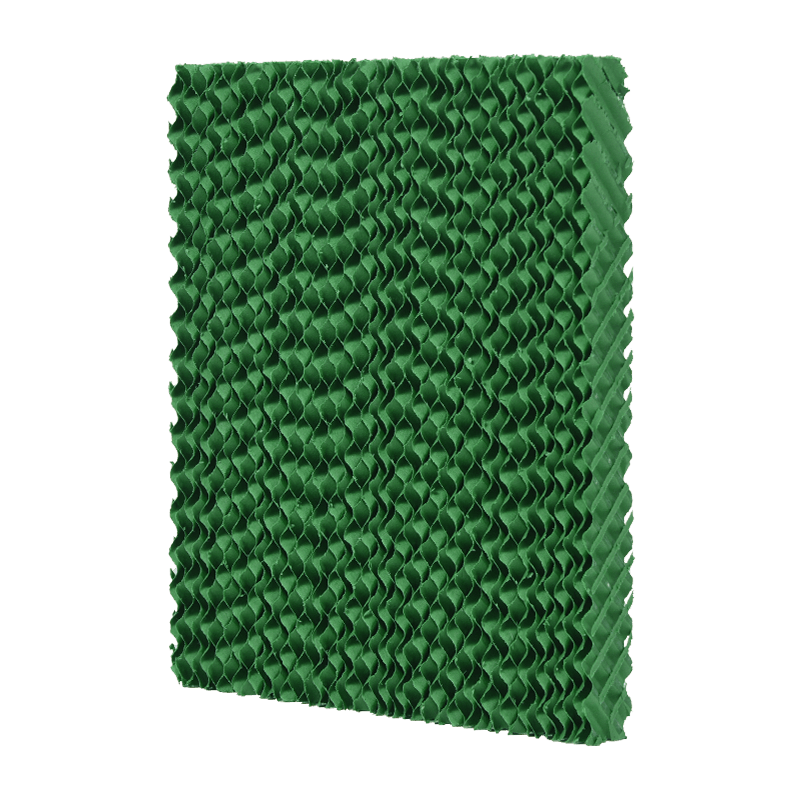
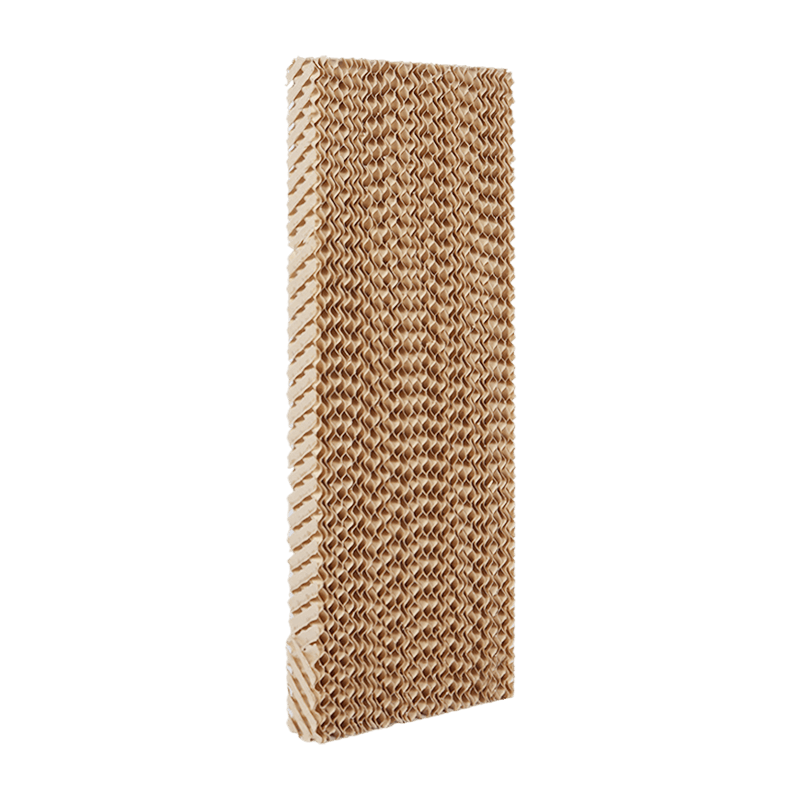
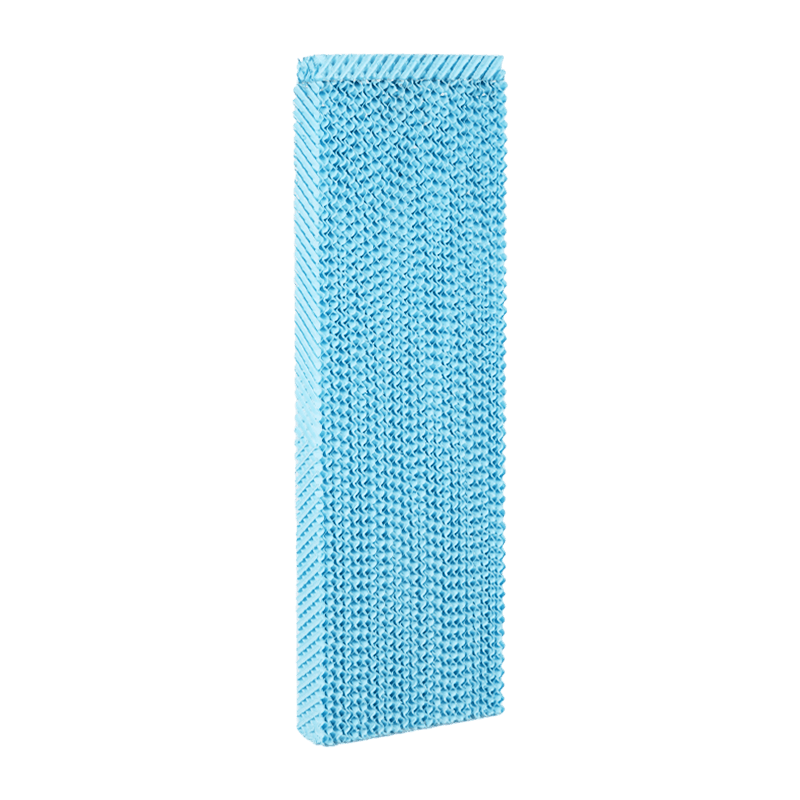
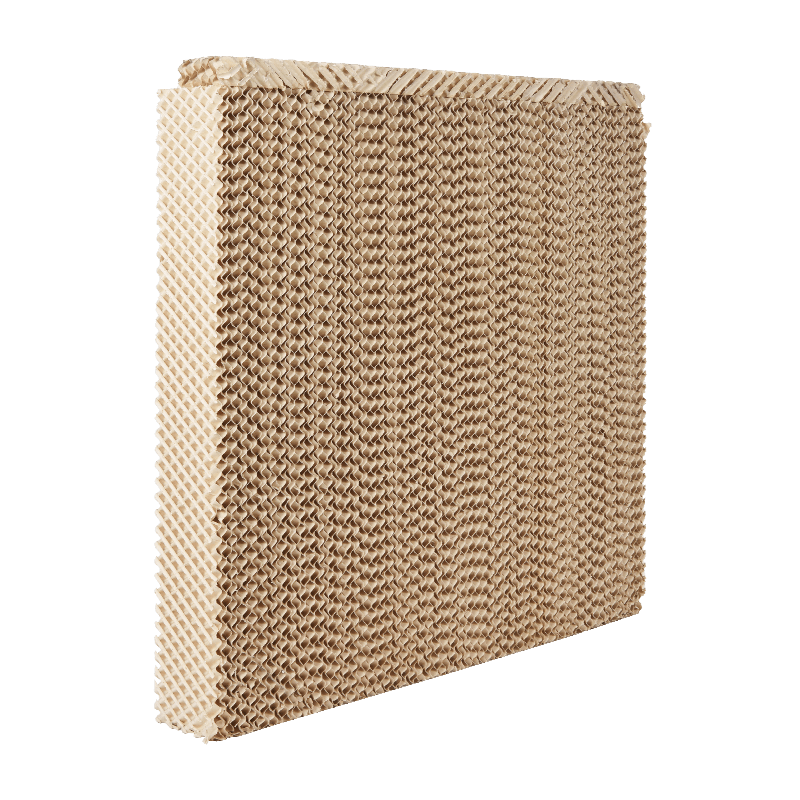
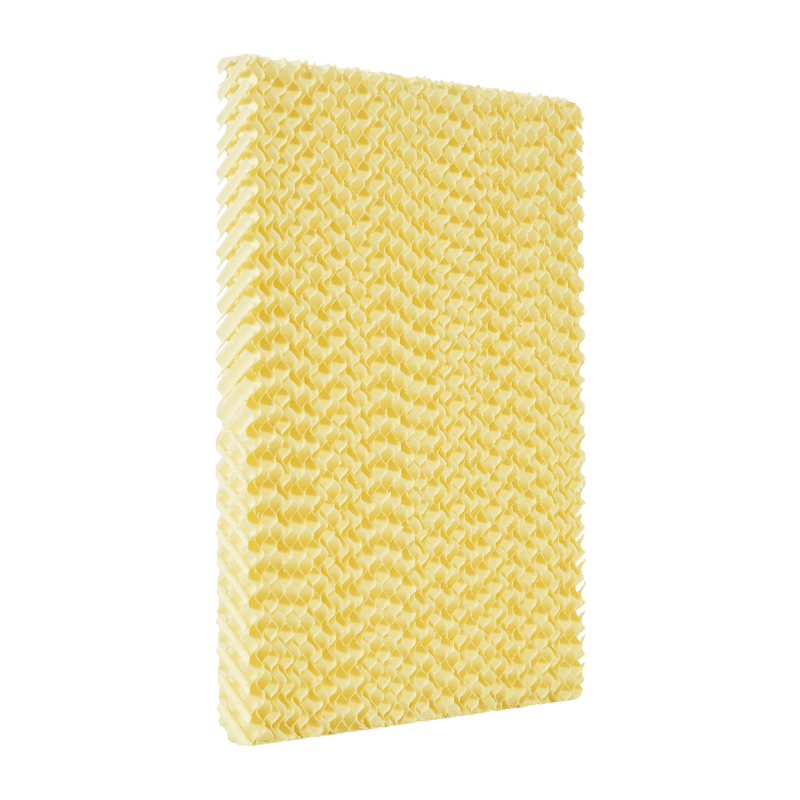
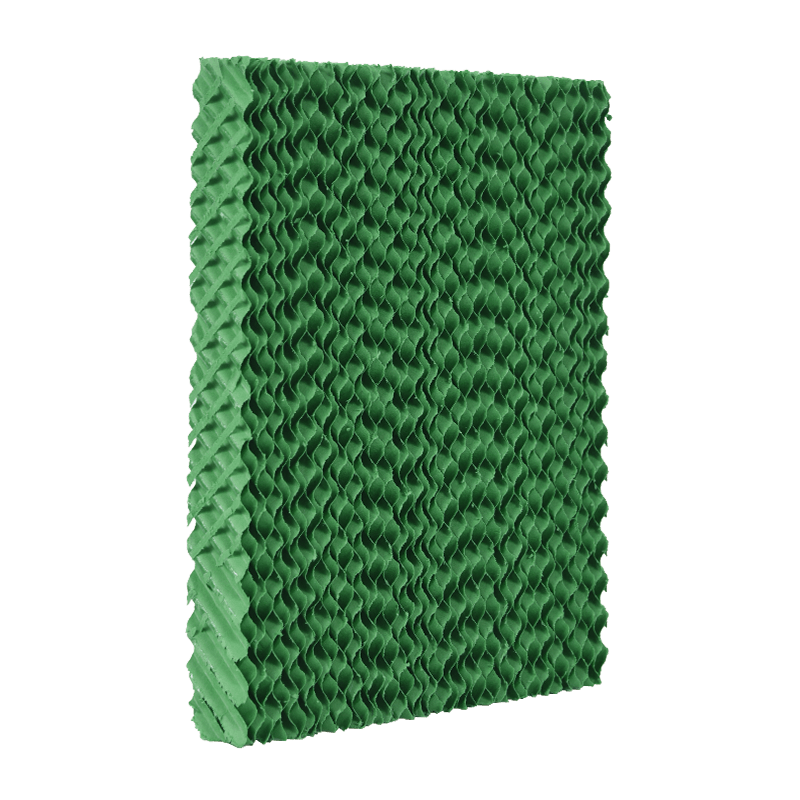
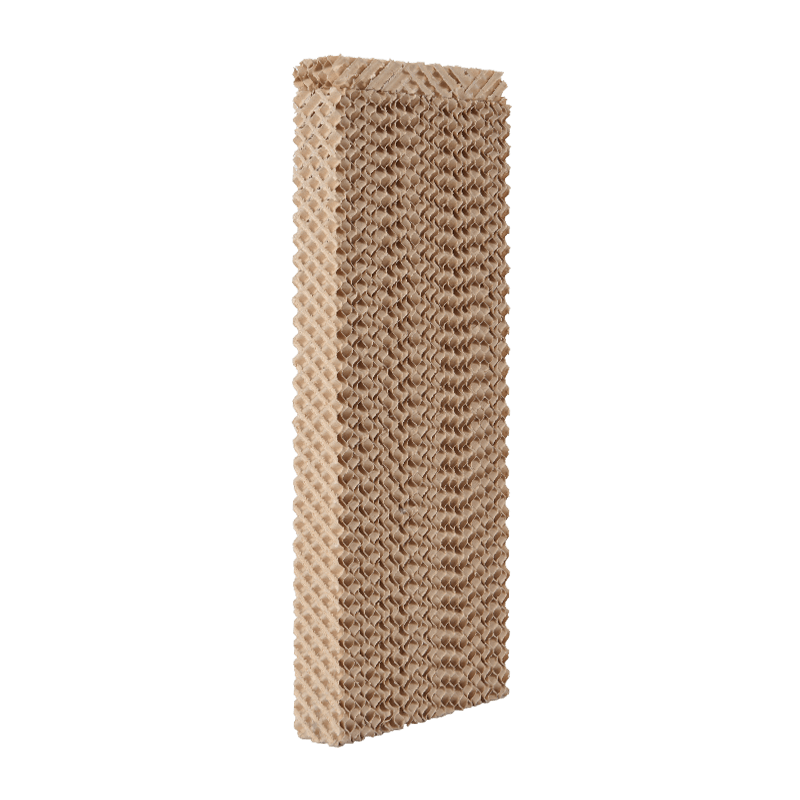
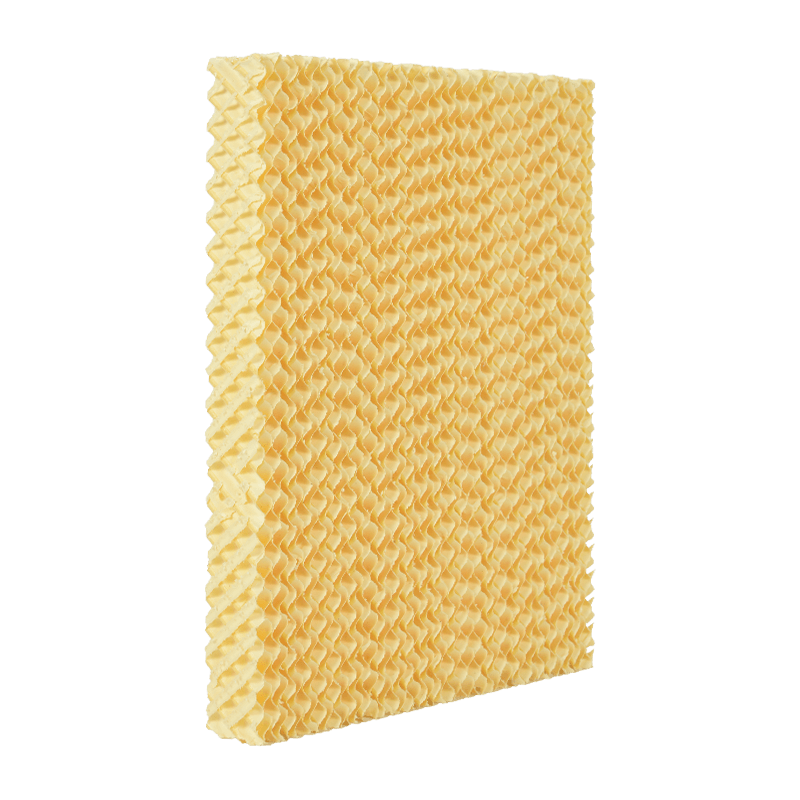
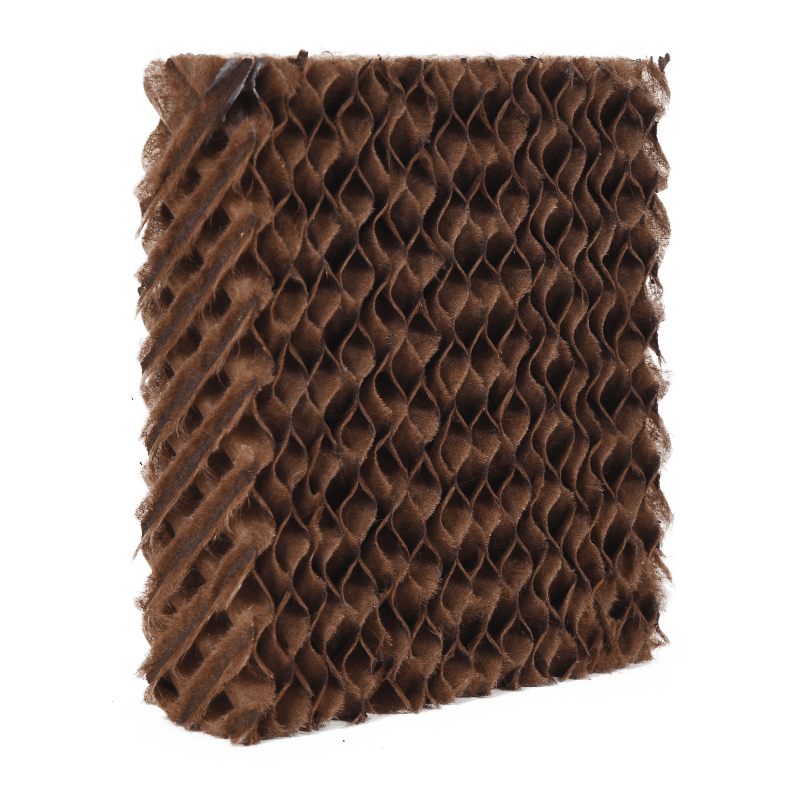
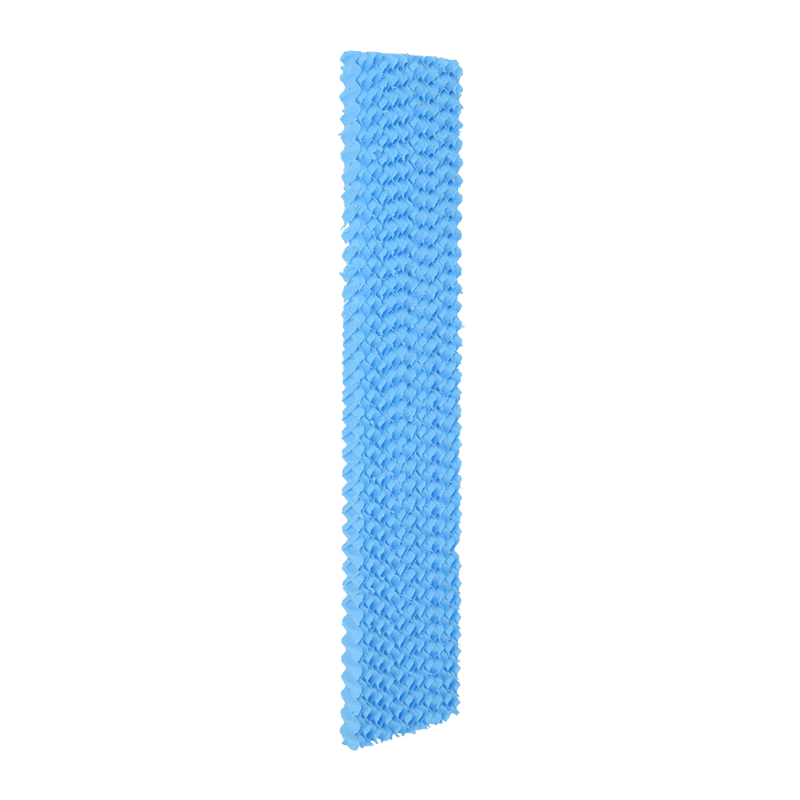
| MPN | KA-7090 |
| SKU | KA7090LL1 |
| Pad Height(mm) | 1,500, 1,800, 2,000 |
| Pad Width(mm) | 300, 600, 900 |
| Pad Depth(mm) | 100, 150, 200, 300 |
| Flute Height(mm) | 7 |
| Groove Angle a | 45° |
| Groove Angle b | 45° |
| MPN | KA-7090 |
| SKU | KA7090LL1 |
| Pad Height(mm) | 1,500, 1,800, 2,000 |
| Pad Width(mm) | 300, 600, 900 |
| Pad Depth(mm) | 100, 150, 200, 300 |
| Flute Height(mm) | 7 |
| Groove Angle a | 45° |
| Groove Angle b | 45° |
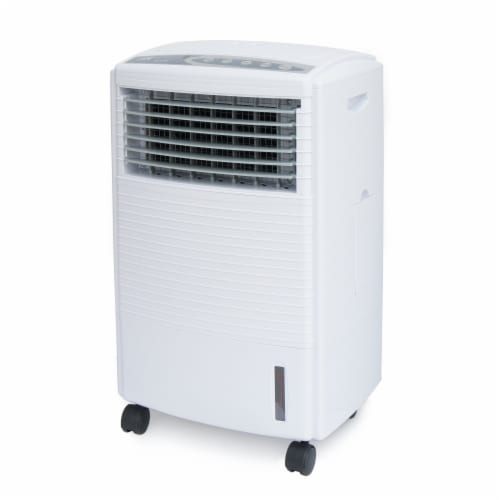
Evaporative cooling works best when relative humidity stays below 60%. In arid and semi-arid regions where summer temperatures exceed 35°C and humidity often drops below 40%, evaporative air coolers ...
READ MORECellulose cooler pads win on raw cooling performance, while synthetic pads win on chemical resistance and service life in harsh water conditions. For most greenhouse cooling, farm ventilation, facto...
READ MOREIf your space is large, dusty, or hot but not humid — such as a workshop, greenhouse, or factory floor — an evaporative air cooler is generally the better and far cheaper option. If you need precise...
READ MOREWhat quality control measures are used in the production process of 7090 Greenhouse honeycomb evaporative cooling pad?
1. Raw material inspection
Material source review: Evaluate all suppliers to ensure that their raw materials meet environmental and performance standards.
Composition analysis: Chemical composition analysis of the hardeners, preservatives and adhesives used to ensure their compliance in performance and safety.
Physical property testing: Such as water absorption, strength and durability, to ensure that the material has the necessary physical properties.
2. Production process monitoring
Environmental monitoring: Real-time monitoring of temperature, humidity and air quality in the production workshop to ensure compliance with production requirements.
Equipment calibration: Regularly calibrate production equipment to ensure equipment accuracy and reliability.
Data recording: Record key parameters of each production batch to ensure traceability.
3. Process standardization
Standard operating procedures (SOP): Develop detailed operating manuals covering every aspect of production, including material preparation, mixing, molding and curing.
Process audits: Regularly audit production processes to identify and eliminate potential quality issues.
4. Finished Product Testing
Performance Testing: Each batch of cooling pads produced is subjected to multiple performance tests such as airflow, moisture absorption capacity and heat exchange efficiency.
Dimension Measurement: Check the size and appearance of the product to ensure that it meets the design specifications.
Random Sampling: Randomly select samples from each production batch for comprehensive testing to ensure overall product quality.
5. Durability Testing
Aging Test: The cooling pads are placed in a simulated environment for a long-term aging test to evaluate their performance under different temperature and humidity conditions.
Corrosion Resistance Test: The cooling pads are subjected to corrosion resistance tests using specific chemical reagents to ensure their stability in humid and corrosive environments.
6. Batch Sampling
Factory Inspection: Each batch of products is strictly inspected before leaving the factory to ensure that the qualified rate meets the predetermined standards.
Quality Report: A quality report is generated for each qualified batch, recording the test results and related parameters.
CONTACT US