
 EN
EN  English
 中文简体
中文简体 عربى
عربى Tiếng Việt
Content
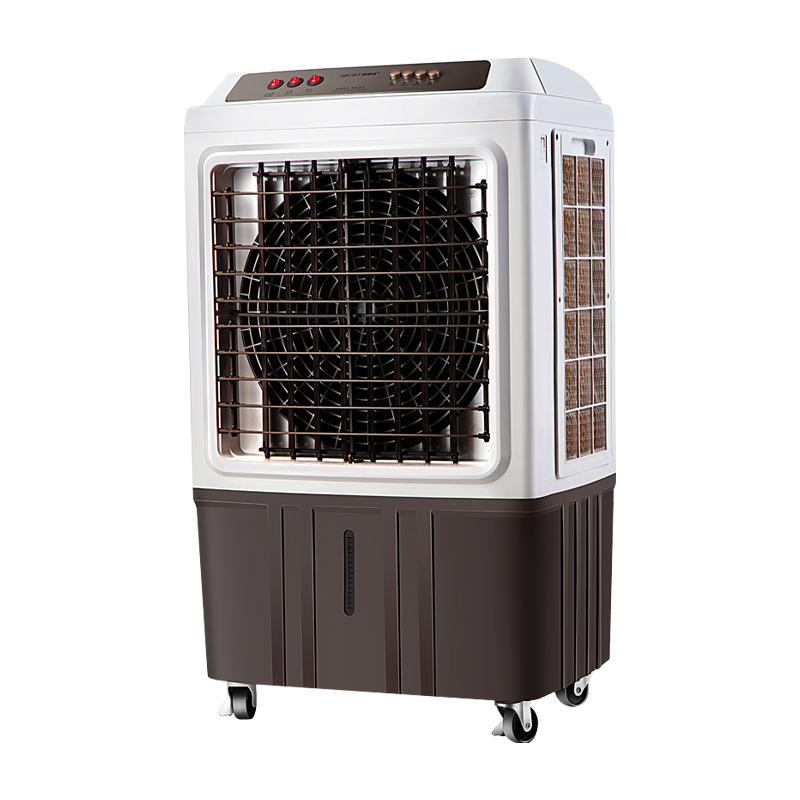
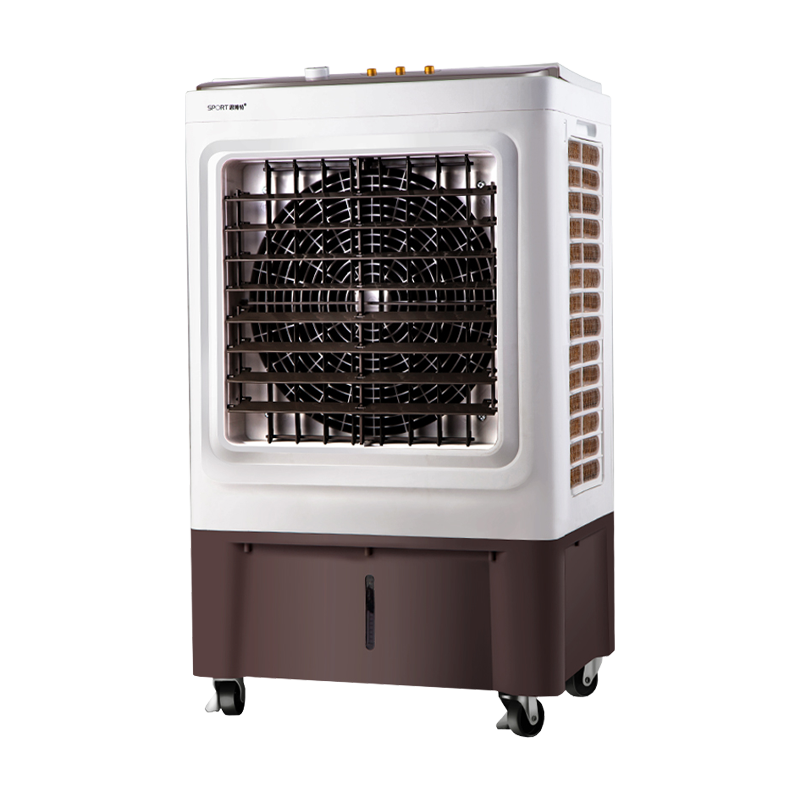
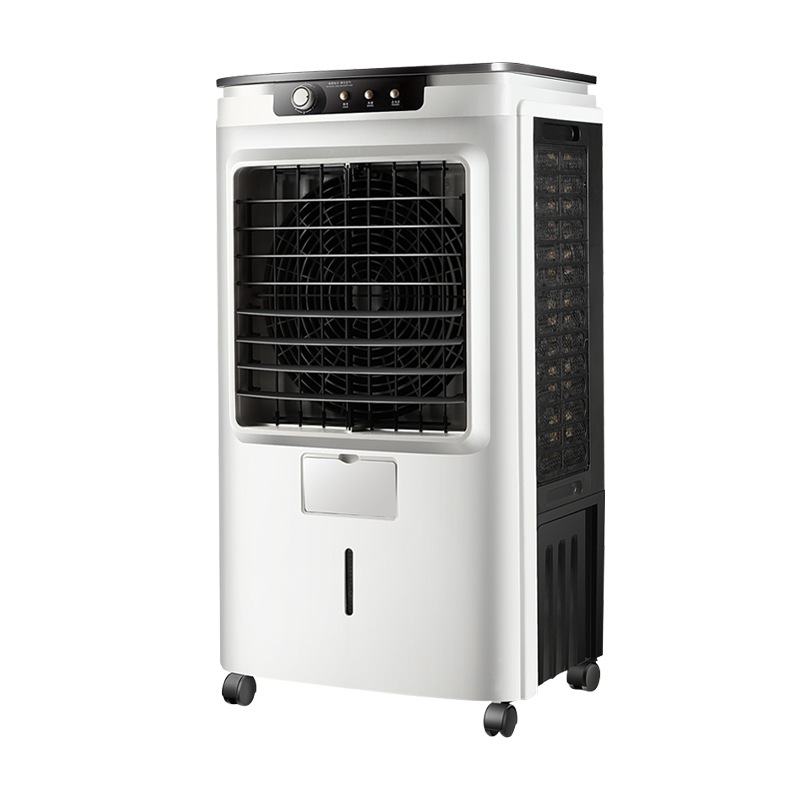
Yes, most air coolers require regular filter maintenance every 2–4 weeks during peak usage. Unlike air conditioners that use refrigerant, air coolers (evaporative coolers) rely on water-saturated cooling pads and air filters to function efficiently. Neglecting filter maintenance can reduce cooling efficiency by up to 40% and create a breeding ground for mold and bacteria.
Types of Filters in Air Coolers
Air coolers typically use two types of filtration components:
- Cooling pads (honeycomb or aspen wood): These are the primary evaporation media and should be replaced every 1–2 years depending on water hardness and usage.
- Dust filters (pre-filters): These trap airborne particles and should be cleaned every 2–4 weeks and replaced every 6–12 months.
Maintenance Schedule by Usage Level
| Usage Level | Daily Hours | Filter Cleaning | Pad Replacement |
|---|---|---|---|
| Light | 2–4 hours | Every 4 weeks | Every 18–24 months |
| Moderate | 4–8 hours | Every 2–3 weeks | Every 12–18 months |
| Heavy | 8+ hours | Weekly | Every 8–12 months |
In regions with hard water, mineral deposits can accumulate on cooling pads 30–50% faster, necessitating more frequent replacement. Using filtered or softened water can extend pad lifespan significantly.
Essential Precautions When Using an Air Cooler
Proper use of an air cooler requires attention to ventilation, humidity control, and hygiene to avoid health risks and equipment damage. Evaporative cooling increases indoor humidity by 5–15%, which can promote mold growth if not managed correctly.
Ventilation and Placement
- Always ensure cross-ventilation by keeping a window or door slightly open. Air coolers work best in well-ventilated spaces because they rely on dry air intake for evaporation.
- Place the unit on a level surface at least 30 cm away from walls to allow unrestricted airflow.
- Avoid using air coolers in enclosed rooms smaller than 15 square meters without adequate air exchange, as humidity levels can exceed 70% and create discomfort.
Water Quality and Tank Hygiene
Stagnant water in the tank can harbor Legionella bacteria and mold spores within 48–72 hours. Follow these practices:
- Empty and clean the water tank at least once per week using a mild disinfectant solution.
- Use clean, preferably filtered water to reduce mineral buildup and bacterial contamination.
- Never leave water standing in the tank for more than 3 days when the unit is not in use.
Electrical Safety
Since air coolers combine water and electricity, observe these precautions:
- Ensure the power cord and plug are dry before connecting to an outlet.
- Use a grounded electrical outlet and avoid extension cords where possible.
- Unplug the unit before cleaning or performing any maintenance.
Can Air Purifiers Remove Formaldehyde?
Standard HEPA-filter air purifiers cannot effectively remove formaldehyde because formaldehyde is a gaseous pollutant, not a particulate. HEPA filters are designed to capture particles as small as 0.3 microns with 99.97% efficiency, but gaseous molecules like formaldehyde (0.0004 microns) pass straight through.
Effective Technologies for Formaldehyde Removal
Only air purifiers equipped with specific gas-phase filtration technologies can address formaldehyde:
| Technology | Effectiveness | Mechanism | Lifespan |
|---|---|---|---|
| Activated Carbon | Moderate | Adsorption | 6–12 months |
| Modified Activated Carbon | High | Chemical adsorption + decomposition | 12–18 months |
| Photocatalytic Oxidation | High | UV light + catalyst breaks down HCHO | 2–3 years (catalyst) |
| Amino Acid Modified Filters | Very High | Chemical reaction neutralizes HCHO | 6–12 months |
Air purifiers with amino acid-modified activated carbon or photocatalytic oxidation (PCO) technology can reduce indoor formaldehyde concentrations by 80–95% within 2–4 hours of operation in a standard-sized room. However, source control (choosing low-emission furniture and materials) remains the most effective long-term strategy.
Can Air Purifiers Prevent the Spread of Viruses?
Air purifiers with HEPA filtration can capture airborne virus particles and reduce transmission risk, but they cannot completely prevent infection. Most respiratory viruses, including influenza and coronaviruses, travel on respiratory droplets and aerosols ranging from 0.1 to 5 microns in size—well within the capture range of HEPA filters.
What the Research Shows
Studies demonstrate that HEPA air purifiers operating at appropriate CADR (Clean Air Delivery Rate) levels can reduce airborne viral load by 50–90% in enclosed spaces. However, several factors determine effectiveness:
- CADR rating: The unit must be sized correctly for the room. A general rule is CADR (m³/h) ≥ room volume (m³) × 5 for effective air cleaning.
- Air changes per hour (ACH): Medical guidelines recommend 5–6 ACH for effective reduction of airborne pathogens.
- Placement: Positioning the purifier near likely sources of exhaled aerosols improves capture efficiency.
Air purifiers with UV-C light or plasma ionization provide additional viral inactivation, but HEPA filtration remains the primary mechanism. Air purifiers are a supplementary measure and should be combined with ventilation, masking, and vaccination for comprehensive protection.
Can Air Purifiers Remove Secondhand Smoke?
Air purifiers can significantly reduce but not completely eliminate secondhand smoke. Tobacco smoke consists of two components: particulate matter (tar, ash, and visible smoke particles ranging from 0.1 to 1.0 microns) and gaseous pollutants (carbon monoxide, formaldehyde, benzene, and other VOCs).
Particulate vs. Gaseous Components
A HEPA filter can capture over 99.9% of smoke particulates, but the gaseous and odorous components require activated carbon filtration. For effective smoke removal, an air purifier needs:
- True HEPA filtration for particulate smoke
- A substantial activated carbon bed (minimum 1 kg for a 30 m² room) for gases and odors
- High airflow capacity (CADR for smoke ≥ 240 m³/h for a 30 m² room)
Even with optimal air purification, some smoke residues (thirdhand smoke) deposit on surfaces and fabrics. No air purifier can remove surface-bound smoke chemicals. For households with smokers, the most effective solution remains smoking outdoors entirely.
Is It Necessary to Use an Air Purifier on Smoggy Days?
Yes, using an air purifier on smoggy days is highly recommended and often essential for protecting respiratory health. When outdoor AQI (Air Quality Index) exceeds 100 (unhealthy for sensitive groups), indoor PM2.5 levels can still reach 50–70% of outdoor concentrations due to infiltration through windows, doors, and building gaps.
Why Indoor Air Quality Degrades During Smog
Research from the U.S. Environmental Protection Agency indicates that indoor pollutant levels can be 2 to 5 times higher than outdoor levels during high-smog events, primarily because:
- Buildings are not airtight; PM2.5 particles (2.5 microns or smaller) easily penetrate typical building envelopes.
- People tend to keep windows closed, trapping indoor-generated pollutants (cooking fumes, cleaning chemicals, pet dander) alongside infiltrated smog.
- Without mechanical air cleaning, indoor PM2.5 can remain elevated for 6–12 hours after outdoor levels drop.
Recommended Actions on High AQI Days
- Run your air purifier on high or turbo mode during peak smog hours (typically 7–10 AM and 5–8 PM).
- Ensure the purifier's CADR for particles is adequate for your room size.
- Keep windows and external doors closed; use weather stripping if gaps are visible.
- Avoid indoor activities that generate particles (frying food, burning candles, vacuuming without HEPA filtration).
A properly sized HEPA air purifier can maintain indoor PM2.5 below 35 μg/m³ even when outdoor levels exceed 150 μg/m³, bringing indoor air into the "good" to "moderate" range.
How Long After Renovation Can I Turn On an Air Purifier?
You can turn on an air purifier immediately after renovation work is complete, but the type of purifier and timing matter significantly for effectiveness. Many homeowners mistakenly wait days or weeks, but early activation is actually beneficial for capturing the highest concentration of airborne pollutants released during and immediately after construction.
The Renovation Pollution Timeline
Post-renovation air quality follows a predictable pattern:
| Time After Renovation | Primary Pollutants | Purifier Strategy |
|---|---|---|
| 0–7 days | Dust, coarse particles, paint VOCs | Run on maximum speed continuously |
| 1–4 weeks | Formaldehyde, benzene, adhesives off-gassing | Use carbon/PCO purifier 24/7 |
| 1–6 months | Slow-release formaldehyde from furniture | Maintain medium speed daily |
| 6+ months | Residual low-level VOCs | Standard maintenance mode |
Critical First Steps
Before running the purifier:
- Remove large debris: Vacuum and wipe down surfaces first; air purifiers are not designed to handle heavy dust loads.
- Check the filter: If the purifier was used during construction, the HEPA filter may already be clogged and need immediate replacement.
- Choose the right purifier: For post-renovation use, select a model with both HEPA and substantial activated carbon (or PCO) capability. A unit with only HEPA will miss the VOCs.
Bottom line: Turn on your air purifier as soon as the renovation dust settles—literally. The first 72 hours post-renovation see the highest pollutant concentrations, making immediate air purification the most impactful. Continue running it continuously for at least 2–4 weeks to address the off-gassing phase.

 CONTACT US