
 EN
EN  English
 中文简体
中文简体 عربى
عربى Tiếng Việt
Content
If your space is large, dusty, or hot but not humid — such as a workshop, greenhouse, or factory floor — an evaporative air cooler is generally the better and far cheaper option. If you need precise temperature and humidity control in a sealed, humid environment, a traditional air conditioner is the right choice. In most industrial, agricultural, and ventilation-heavy settings, evaporative cooling paper based systems win on cost, airflow, and energy use.
How Each System Actually Works
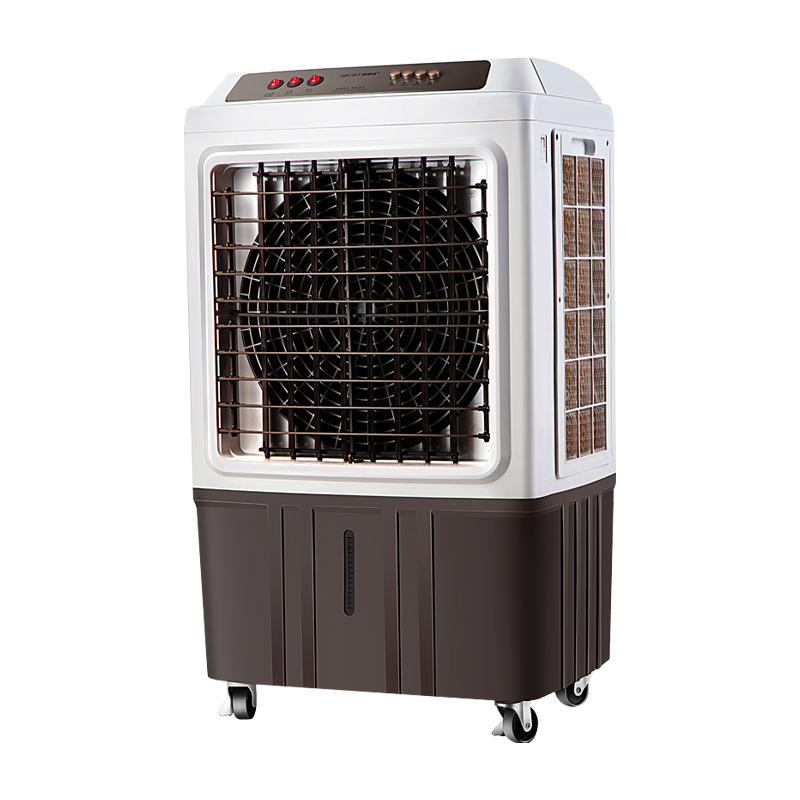
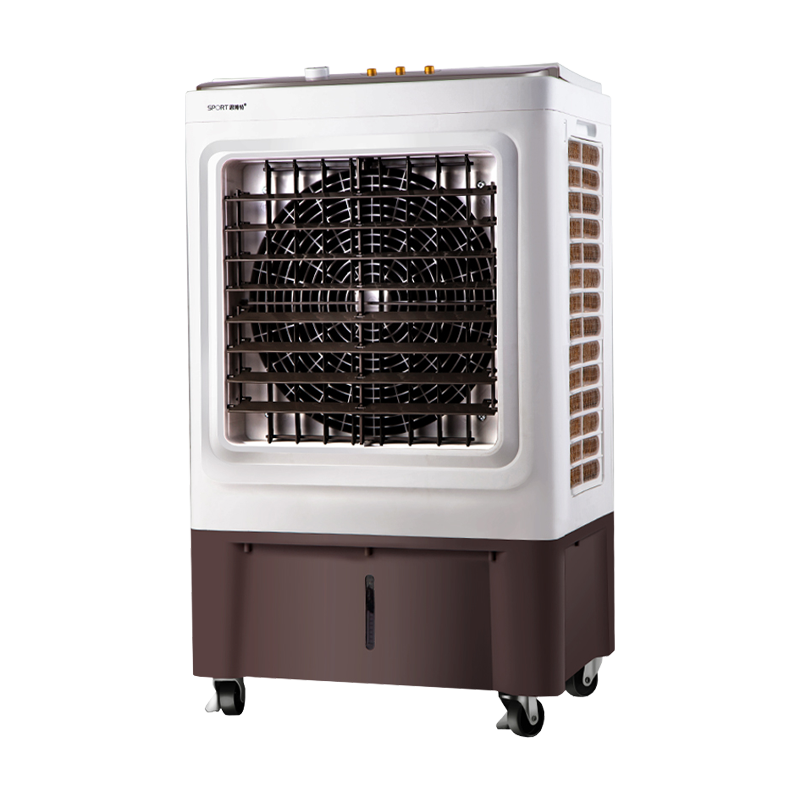
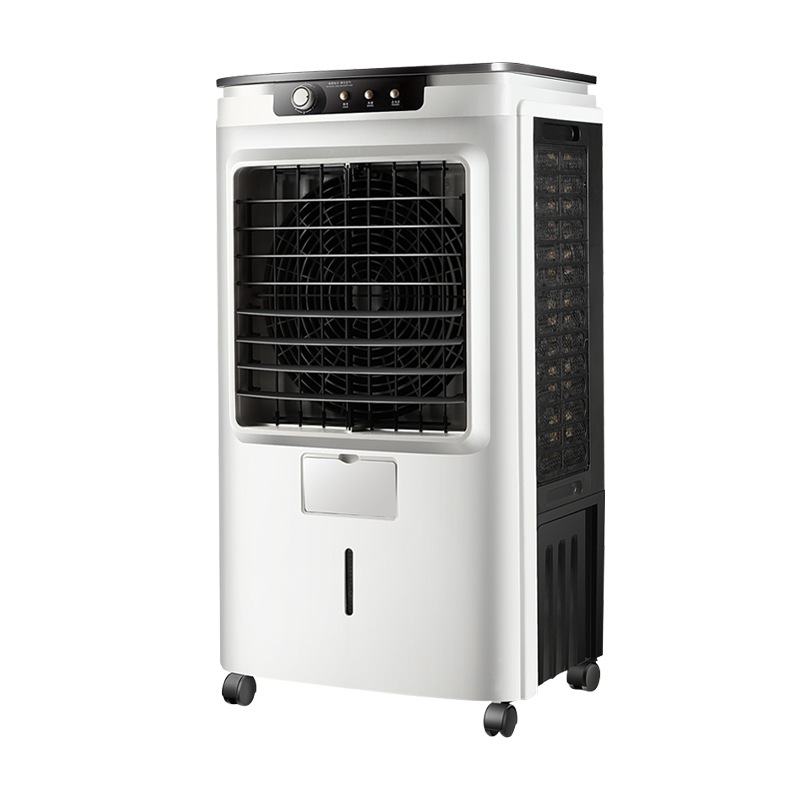
An evaporative air cooler pulls hot outside air through a wet curtain — usually made from honeycomb evaporative cooling paper — and pushes the cooled, humidified air into the space using a fan. Water absorbed in the wet curtain paper evaporates and lowers the air temperature by several degrees, sometimes by 5 to 15 degrees Celsius depending on humidity levels.
An air conditioner instead uses a refrigeration cycle with a compressor, condenser, and refrigerant gas. It removes heat from indoor air and releases it outside, while also dehumidifying the air. This process requires a sealed room and significantly more electricity per square meter of cooling.
Cost and Energy Comparison
The difference in running cost is one of the main reasons factories and farms choose evaporative cooling paper systems over air conditioning. A rough comparison for a 500 square meter workshop looks like this:
| Cooling Type | Approx. Power Use | Initial Equipment Cost | Best Use Case |
| Evaporative Air Cooler | Low, mainly fan motor | Low to medium | Open or semi-open spaces, hot dry climates |
| Air Conditioner | High, compressor based | Medium to high | Sealed rooms, humid climates, precise temperature needs |
Because an evaporative air cooler mainly runs on a water pump and fan, electricity consumption is often a fraction of what a similarly sized air conditioning unit would use, making it a more environmentally friendly air conditioning cooling alternative for large volume spaces.
Best Applications for Evaporative Cooling
Evaporative cooling paper based systems are widely used where rapid cooling of large volumes of air is needed and a steady airflow is more important than tightly sealed comfort. Typical applications include:
- Greenhouse cooling, where added humidity also benefits plant growth
- Farm ventilation and cooling for poultry houses and livestock barns
- Factory ventilation in metalworking, textile, or printing facilities
- Workshop cooling for spaces with open doors or constant air exchange
- Industrial humidifier needs combined with cooling in dry regions
Best Applications for Air Conditioning
Air conditioners remain the better choice when a space must stay sealed, when humidity needs to be reduced rather than added, or when temperature must be held within a tight range. Examples include server rooms, offices in humid coastal cities, clean rooms, and retail spaces where comfort and air quality standards are strict.
The Role of the Wet Curtain in Performance
The core component behind any evaporative system is the wet curtain, also called a water curtain or wet curtain wall. Its job is to maximize the surface area of water exposed to airflow so evaporation happens quickly and evenly. Quality wet curtain paper from an established wet curtain paper manufacturer typically uses a honeycomb paper structure, which increases surface area while keeping airflow resistance low.
A common question is whether a homemade wet curtain paper can replace a manufactured one. While DIY versions made from cardboard or fabric can provide short term cooling, they usually degrade faster, absorb water unevenly, and reduce airflow efficiency over time. For continuous industrial or agricultural use, factory-made honeycomb evaporative cooling paper offers more consistent performance and a longer service life.
Choosing Between the Two: A Quick Checklist
| Question | If Yes, Consider |
| Is the space large, open, or naturally ventilated? | Evaporative air cooler |
| Is your climate hot and dry most of the year? | Evaporative air cooler |
| Do you need a humidification curtain effect for products or plants? | Evaporative air cooler |
| Is the room sealed with limited fresh air exchange? | Air conditioner |
| Is local humidity already high? | Air conditioner |
| Is energy cost a major concern for continuous operation? | Evaporative air cooler |
Maintenance and Long-Term Use
Evaporative systems require periodic replacement of the wet curtain paper, cleaning of water distribution pipes, and checking the water pump and float valve. In hard water areas, mineral buildup on the honeycomb paper can reduce efficiency over time, so scheduled inspection every few months is recommended.
Air conditioners need refrigerant checks, filter cleaning, and compressor servicing, which often requires a certified technician and adds to long-term operating costs.
Final Takeaway
For factory ventilation, workshop cooling, greenhouse cooling, and farm ventilation and cooling, an evaporative air cooler built around quality wet curtain paper delivers rapid cooling at a fraction of the energy cost of an air conditioner. For sealed, climate-controlled environments where humidity must be managed, air conditioning remains the more suitable technology. Many large facilities even combine both, using evaporative pre-cooling to reduce the load on their air conditioning systems.

 CONTACT US