
 EN
EN  English
 中文简体
中文简体 عربى
عربى Tiếng Việt
Content
- 1 How to Use an Evaporative Cooler for Maximum Effect
- 2 The Core Function of an Evaporative Air Cooler
- 3 Step-by-Step Guide: How to Utilize Your Evaporative Cooler
- 4 Practical Performance Data: When It Works Best
- 5 FAQ: Most Common Questions About Evaporative Air Coolers
- 6 Maintenance Checklist for Long-Lasting Performance
How to Use an Evaporative Cooler for Maximum Effect
To utilize an evaporative air cooler effectively: always operate it with windows or doors partially open to allow hot air to escape, use it in low-humidity conditions (below 60% relative humidity), and pre-cool the water in the tank for immediate results. This creates a continuous airflow that drops temperatures by 5°C to 15°C (9°F to 27°F) depending on the environment.
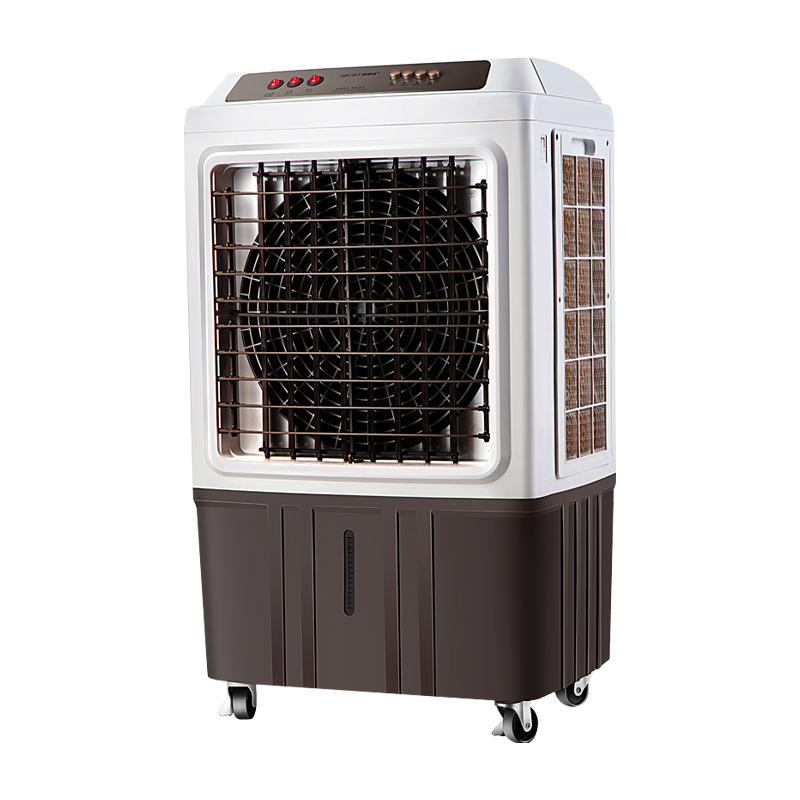
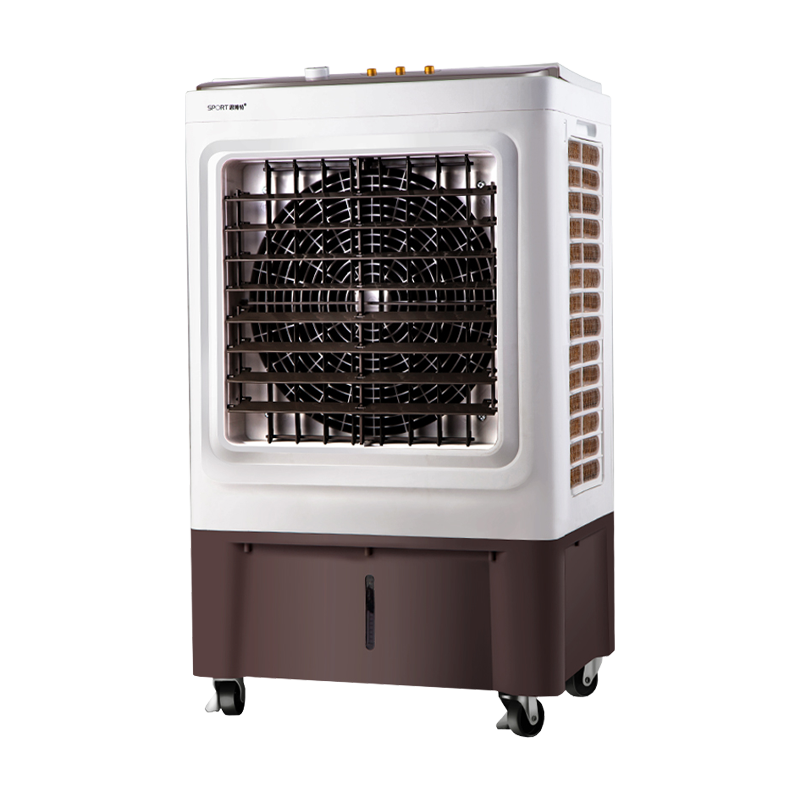
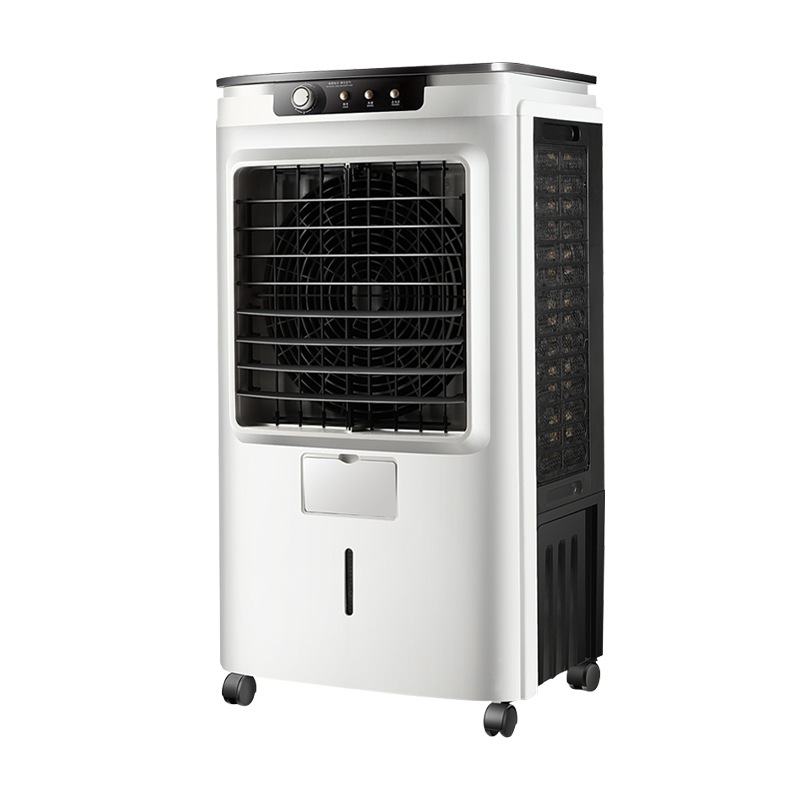
Unlike air conditioners that recirculate the same air, evaporative coolers pull fresh outside air through water-soaked pads. The water evaporates, absorbing heat, and the cooled air is blown into your space. For best results, position the cooler near an open window or door on the side where fresh air enters.
The Core Function of an Evaporative Air Cooler
The primary function is to lower air temperature using the natural process of water evaporation. It is 30-50% more energy-efficient than compressor-based ACs and adds moisture to dry air, making it ideal for arid climates. Key functions include:
- Cooling: Reduces ambient temperature through evaporative cooling.
- Humidification: Adds moisture to dry environments, reducing static electricity and skin dryness.
- Ventilation: Continuously exchanges stale indoor air with fresh outdoor air.
- Air Filtration: Honeycomb cooling pads trap dust and pollen particles as small as 10 microns.
For example, in a typical warehouse or outdoor patio, an evaporative cooler can maintain a comfortable 24°C (75°F) when external temperatures are 35°C (95°F) with 30% humidity.
Step-by-Step Guide: How to Utilize Your Evaporative Cooler
1. Pre-Cooling and Water Management
Fill the tank with cool water (not ice water, as room-temperature water evaporates faster). For a 20-30% boost in initial cooling, add frozen gel packs to the water reservoir. Never use hard water; use distilled or softened water to prevent mineral scaling on the pads.
2. Optimal Positioning and Airflow
Place the cooler facing an open window or door, with another opening on the opposite side of the room. This creates cross-ventilation. For a standard 30m² (320 sq ft) room, maintain a gap of at least 30cm (12 inches) between the cooler and the wall.
3. Speed and Swing Settings
Start with the highest fan speed to push cool air deep into the room. Once the temperature stabilizes, switch to medium or low. Use the swing function to distribute air evenly – a 90° vertical swing and 120° horizontal swing cover most rooms.
Practical Performance Data: When It Works Best
Evaporative coolers are not universal. Their efficiency depends heavily on ambient humidity. The table below shows expected temperature drops at different humidity levels:
| Outdoor Humidity | Expected Temperature Drop | Recommended Use |
|---|---|---|
| 20% - 30% | 12°C - 15°C (22-27°F) | Excellent – full power |
| 40% - 50% | 8°C - 10°C (14-18°F) | Good – effective |
| 60% - 70% | 3°C - 5°C (5-9°F) | Limited – use AC instead |
For reference, a standard 150W evaporative cooler consumes as much electricity as a ceiling fan, but delivers cooling equivalent to a 1,500W portable AC under dry conditions.
FAQ: Most Common Questions About Evaporative Air Coolers
Can I use an evaporative cooler indoors in a closed room?
No. Running it in a sealed room will raise humidity to near 100%, making the air feel sticky and reducing cooling to zero. Always leave a window or door at least 5-10cm (2-4 inches) open.
How often should I replace the cooling pads?
Replace honeycomb pads every 3 to 6 months depending on water hardness and usage. Signs of wear include reduced airflow, a musty smell, or visible mineral crusts. A set of pads typically costs $10-$25.
Does it work in high humidity like Florida or Singapore?
Poorly. Once relative humidity exceeds 70%, evaporation almost stops. In such climates, a dehumidifier + evaporative cooler combination can work, but a compressor-based AC is more effective.
How much water does an evaporative cooler use per hour?
A medium-sized portable unit uses 0.5 to 1.5 liters (0.13 to 0.4 gallons) per hour on low speed, and up to 3 liters (0.8 gallons) per hour on high speed. A whole-house system can use 15-30 liters (4-8 gallons) per hour.
Can I add ice or cold water to make it colder?
Yes, but the effect is temporary (lasts 15-30 minutes). Ice reduces the water's ability to evaporate initially, but as it melts, the water temperature normalizes. For sustained cooling, use ambient water and maximize airflow.
Maintenance Checklist for Long-Lasting Performance
To keep your evaporative cooler at peak efficiency (above 85% cooling effectiveness), follow this checklist:
- Weekly: Drain and rinse the water tank to prevent algae growth.
- Monthly: Clean the cooling pads with a soft brush and mild vinegar solution (1:10 vinegar to water).
- Every 3 months: Inspect the water pump and float valve for debris.
- Seasonally: Before storage, run the fan only (no water) for 30 minutes to dry the pads completely.
Neglecting maintenance can reduce cooling output by up to 40% within 6 months due to clogged pads and mineral deposits.

 CONTACT US