
 EN
EN  English
 中文简体
中文简体 عربى
عربى Tiếng Việt
Content
- 1 Working Principle of Evaporative Cooler Pads
- 2 Comparison of Main Materials for Evaporative Cooler Pads
- 3 Standards for Selecting Evaporative Cooler Pads
- 4 Recommended Evaporative Cooler Pad Selection for Different Industries
- 5 Installation of Evaporative Cooler Pads
- 6 Common Misconceptions When Selecting Evaporative Cooler Pads
- 7 Five-Step Rule for Choosing the Right Evaporative Cooler Pads
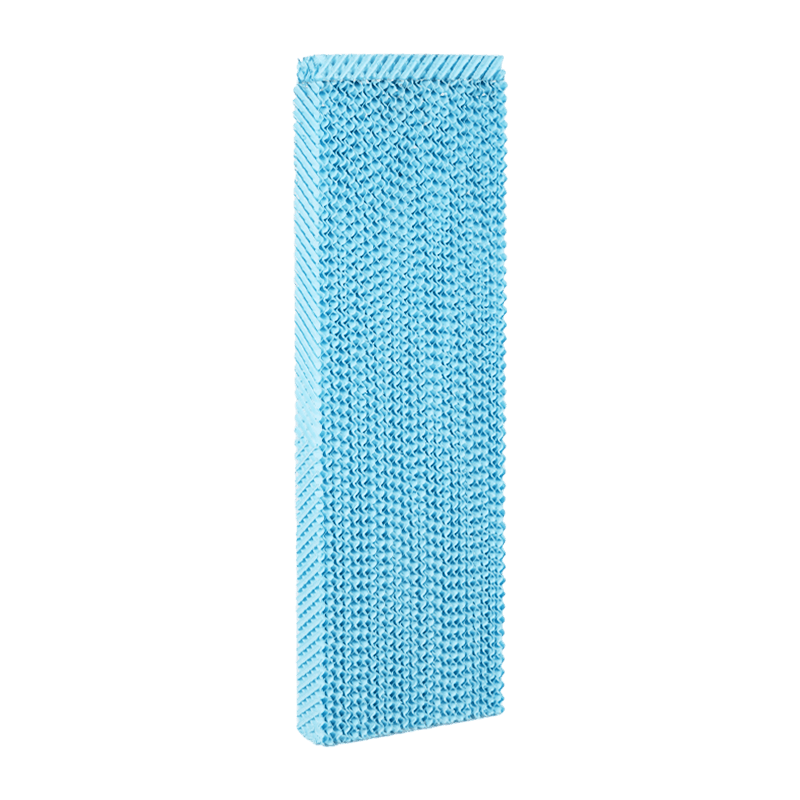
When selecting the appropriate Evaporative Cooler Pads, five core factors need to be considered: material type, corrugation thickness (core thickness), airflow area, water resistance, and application scenario. Evaporative Cooler Pads work by absorbing heat through the evaporation of water on the surface of a porous medium, lowering the temperature of the passing air by 5–15°C. They are key components in evaporative air conditioners, evaporative coolers, industrial humidifiers, and other equipment. For example, the most common 100mm thick paper honeycomb evaporative cooler pad can achieve an evaporation cooling efficiency (saturation efficiency) of 80%–92%. Under environmental conditions of 38°C and 20% relative humidity, the outlet air temperature can be reduced to approximately 22°C. These pads are widely used in industrial factories, livestock farming, greenhouses, textile factories, hardware factories, and public spaces such as shopping malls, supermarkets, and internet cafes for ventilation and cooling.
Working Principle of Evaporative Cooler Pads
Evaporative Cooler Pads, also known as wet curtains or water curtain cooling pads, are the core heat exchange components in an evaporative cooling system. Their working principle is based on the evaporation and heat absorption effect of water:
The circulating water pump evenly distributes water to the top of the cooler pad, where it forms an even water film that flows down the porous medium surface.
Hot air is forced by the fan to be drawn through the windward side of the pad and comes into full contact with the water film.
As the water evaporates, it absorbs a significant amount of latent heat from the air (latent heat of evaporation of water is approximately 2260 kJ/kg).
The sensible heat in the air is converted into latent heat of water vapor, significantly lowering the outlet air temperature, with a slight increase in absolute humidity.
The non-evaporated water is collected in the bottom water tank and recycled, saving more water compared to traditional water-cooling systems, with a water-saving rate of over 40%.
Compared to traditional compressor-based air conditioning systems, the energy consumption of evaporative cooling systems is only 1/8 to 1/10 of the former, resulting in significant operational cost advantages. For example, the daily electricity cost of an industrial evaporative cooler for a 200㎡ cooling area is around 3–8 RMB, while the daily electricity cost of central air conditioning for the same area can reach 60–120 RMB.
Comparison of Main Materials for Evaporative Cooler Pads
| Material Type | Representative Products | Saturation Efficiency | Service Life | Corrosion Resistance | Application Scenarios |
| Cellulose Paper Wet Curtains | 5090/7090 Paper Honeycomb Pads | 80%–92% | 3–5 years | Medium | Industrial factories, livestock farms, greenhouses |
| Fiberglass Wet Curtains | High-Strength Fiberglass Composite Pads | 78%–88% | 5–8 years | Excellent | Chemical plants, hardware factories, high-corrosion environments |
| Plastic PP/PVC Honeycomb Pads | Injection-molded Honeycomb Pads | 70%–82% | 8–12 years | Excellent | Water treatment, seaside high-humidity environments |
| Aluminum Foil Composite Wet Curtains | Metal Composite Multi-layer Structure | 75%–85% | 6–10 years | Excellent | High-temperature metallurgy, precision processing factories |
| Ceramic Porous Medium Pads | Honeycomb Ceramic Evaporative Pads | 85%–95% | Over 10 years | Superb | High-end data centers, clean rooms |
Standards for Selecting Evaporative Cooler Pads
Corrugation Angle and Honeycomb Structure
The corrugated honeycomb structure of the evaporative cooler pad directly impacts the effective heat exchange area and self-cleaning ability:
45°/45° Cross-corrugation (7090 Type): The heat exchange area per unit volume is about 150–200 m²/m³. It has strong self-cleaning ability and is resistant to scale build-up. This is the most widely used specification in industrial applications, with a market share of over 60%.
30°/60° Cross-corrugation (5090 Type): The heat exchange area is approximately 15% higher than the 7090 type, but the water passage is narrower, requiring better water quality. It is suitable for use in regions with good water quality.
Equilateral Honeycomb Structure: The airflow distribution is uniform, ideal for clean rooms and precision laboratories that require strict airflow uniformity.
Water Resistance and Anti-corrosion Treatment
Evaporative cooler pads are constantly exposed to moisture, and their water resistance directly affects their lifespan. High-quality paper evaporative cooler pads must undergo multiple special resin impregnation treatments. The strength retention after absorption should be ≥85% (Reference standard: GB/T 17393). Ordinary untreated cardboard can lose more than 70% of its strength after 48 hours of immersion.
Impregnation Treatment Count: High-quality products typically undergo 3–5 times impregnation with phenolic resin or eco-friendly water-based resin.
Mold and Bacteria Resistance: Inorganic antibacterial agents (e.g., silver ions, nano TiO₂) are added to prevent algae and mold growth, extending the lifespan.
Stiffness Test: High-quality wet curtains can withstand lateral pressure of ≥30 N/cm² without deformation or collapse after being soaked.
Water Quality Compatibility and Maintenance Requirements
Water quality is a hidden factor affecting the lifespan of evaporative cooler pads, especially in areas with hard water (total hardness ≥450 mg/L), where scale deposition significantly reduces heat exchange efficiency and accelerates material aging:
Soft Water Areas (Total Hardness <150 mg/L): Paper honeycomb evaporative cooler pads can be used normally with quarterly cleaning.
Moderately Hard Water Areas (150–450 mg/L): A soft water device should be installed, and evaporative cooler pads with special scale-resistant treatment should be selected.
High Hard Water Areas (>450 mg/L): Plastic PP/PVC pads or fiberglass composite pads should be preferred as they have stronger scale resistance.
Environmental and Safety Certifications
High-quality evaporative cooler pads should meet the following certification requirements to ensure safe and reliable use in industrial and public places:
Flame Retardancy: Should meet GB 8624 B1 level (flame-retardant) or higher. Public places such as malls and internet cafes must meet fire safety requirements.
Environmental Certification: Should comply with RoHS directives on harmful substance restrictions. Resin-impregnated paper pads should have formaldehyde release ≤0.1 mg/m³.
Sanitary Certification: For use in food processing plants or public places, the pads should pass NSF/ANSI certification, ensuring the material is non-toxic and odorless.
Recommended Evaporative Cooler Pad Selection for Different Industries
Evaporative cooler pads have been widely applied in various industries, and the key focus for product performance varies depending on the application scenario:
| Industry Application | Typical Equipment | Recommended Material | Recommended Pad Thickness | Key Requirements |
| Industrial Workshops (High Temperature Operations) | Evaporative air conditioners, coolers | 7090 Paper Honeycomb Pads | 100–150 mm | High airflow, high saturation efficiency |
| Livestock (Cooling) | Negative pressure wet curtain systems in pig/chicken houses | 5090 Paper Pads | 100 mm | Even airflow, antibacterial, antifungal |
| Greenhouses | Cross-flow evaporative cooling systems | 7090 Paper Pads | 100 mm | Even airflow, algae prevention |
| Textile Industry | Textile workshop evaporative coolers | Fiberglass Composite Pads | 100–150 mm | Anti-static, cotton lint resistance |
| Hardware/Mechanical Processing Factories | Industrial wet curtain systems | Fiberglass/PVC Pads | 100 mm | Oil resistance, corrosion resistance |
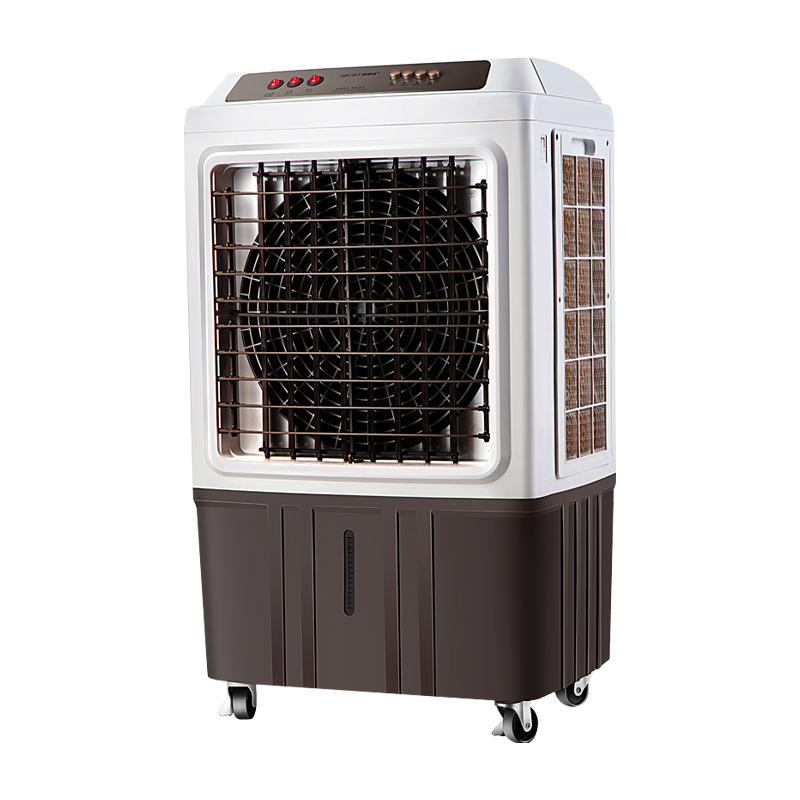
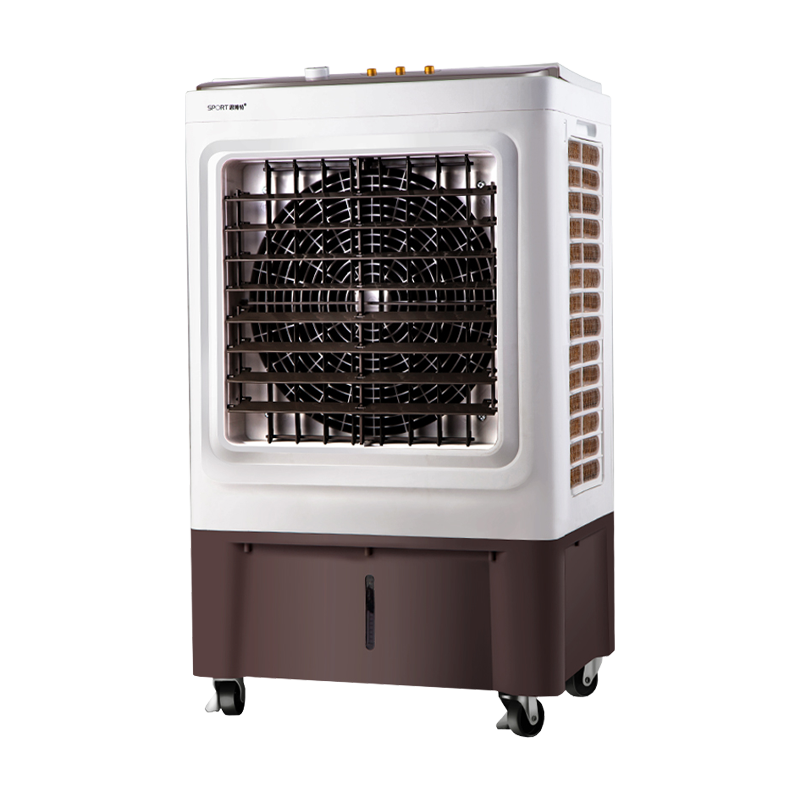
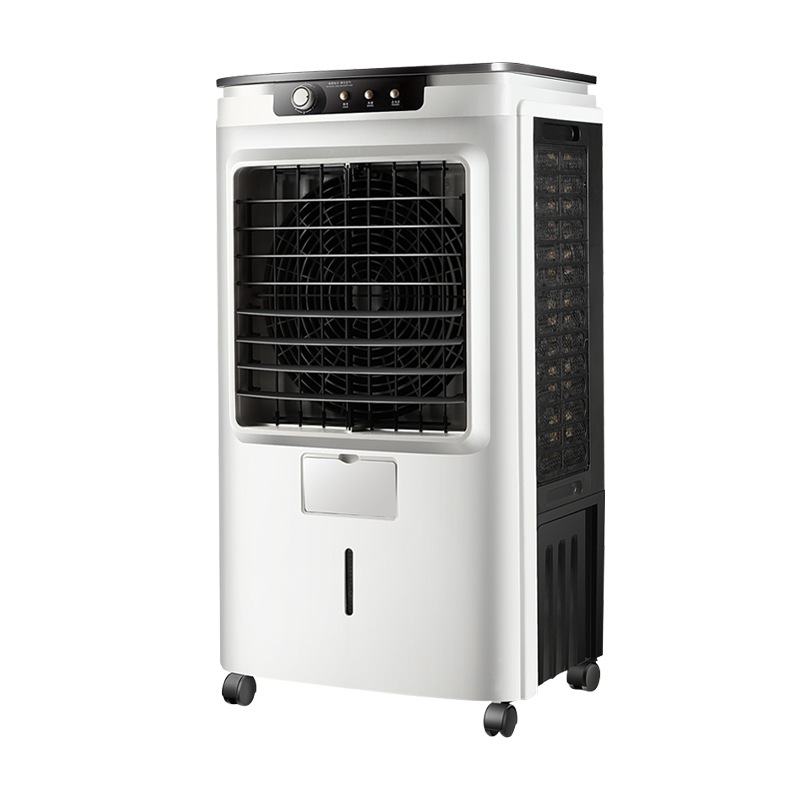
| Shopping Malls/Supermarkets/Internet Cafes | Commercial evaporative air conditioner units | 7090 Paper Pads | 100 mm | Low noise, energy-efficient, aesthetic |
| Humidifiers (Industrial/Commercial) | Ultrasonic/humidifier systems | PP Honeycomb Pads | 50–100 mm | Even humidification, less scale |
| Data Centers | Precision indirect evaporative cooling systems | Ceramic/Aluminum Foil Composite Pads | 150–200 mm | High efficiency, clean and dust-free |
Installation of Evaporative Cooler Pads
Installation Precautions:
Installation Direction: Evaporative cooler pads have a defined water flow direction (usually marked with an arrow). Water must flow vertically down the corrugation direction, and the pad should not be installed upside down.
Sealing: The gap between the cooler pad and the frame must be sealed with high-quality sealing strips to prevent airflow bypass. Poor sealing can cause a reduction in cooling efficiency by over 20%.
Water Distribution Uniformity: The spacing of the water distribution pipe holes should be ≤50 mm to ensure uniform water supply to the top of the evaporative cooler pad and avoid localized dryness, which may result in uneven cooling.
Sun Protection Design: For outdoor installations, the windward side of the evaporative cooler pad should be protected from direct sunlight, as exposure accelerates material aging and algae growth.
Common Misconceptions When Selecting Evaporative Cooler Pads
Myth 1: The thicker the pad, the better.
Increasing pad thickness does improve cooling efficiency, but it also increases airflow resistance. If the fan configuration is insufficient, this may lead to reduced airflow and decreased overall cooling performance. Typically, a 100mm thickness is sufficient for more than 80% of industrial applications.
Myth 2: Paper evaporative cooler pads are not durable.
High-quality paper honeycomb evaporative cooler pads treated with resin impregnation have a service life of 3–5 years, which is 3–5 times longer than untreated products. The key is to choose products from certified manufacturers (such as GB/T 17393) and perform regular maintenance.
Myth 3: Evaporative cooler pads are unsuitable for southern regions.
In high-humidity southern regions (such as Guangdong and Fujian, where relative humidity can reach 70%–85% in summer), the cooling effect of evaporative cooler pads may be lower than in northern areas. However, by optimizing ventilation and incorporating humidity control, effective cooling can still be achieved. The energy-saving benefits remain significant.
Five-Step Rule for Choosing the Right Evaporative Cooler Pads
Define the Scenario: Choose thick, efficient pads for industrial high-temperature operations; focus on low noise and energy efficiency for public places; prioritize antibacterial properties for livestock/greenhouses.
Determine Specifications: Accurately calculate the required area based on equipment airflow and recommended wind speed, keeping the error within 10%.
Match the Material: For typical industrial settings, select 7090 paper pads; for corrosive or hard water environments, select fiberglass or PP/PVC pads.
Evaluate Water Quality: For hard water areas (total hardness >450 mg/L), install a water softening system or choose anti-scaling materials to avoid scale reducing the pad lifespan.
Check Certifications: Verify certifications such as GB/T 17393, B1-level flame retardancy, and NSF sanitation certification for safe and compliant use.
Evaporative Cooler Pads, with their low energy consumption (only 1/8–1/10 of compressor-based air conditioning), environmental benefits, and flexible installation, have become the mainstream choice for cooling in industrial workshops, livestock farming, greenhouse agriculture, textile industries, and public spaces during the summer. With proper selection, installation, and maintenance, they can provide optimal cooling performance at the lowest operating costs, creating continuous energy savings for businesses and users.

 CONTACT US