
 EN
EN  English
 中文简体
中文简体 عربى
عربى Tiếng Việt
Content
When choosing a cooling fan for your home or office space, the most important thing is to select the appropriate fan type based on room size, usage scenario, and noise requirements. For example, tower fans or table fans are recommended for small bedrooms or near desks, saving space and ensuring low noise; while floor fans or circulating fans are more suitable for living rooms or open-plan offices, providing a large airflow and even air circulation. Understanding these core needs will help you quickly identify the most suitable cooling fan model.
Home Bedrooms and Small Spaces: Quiet Operation and Energy Efficiency are Paramount
In bedrooms or small family rooms, comfort is crucial:
- Tower Fans: Small in size, take up little space, provide gentle airflow, and typically operate at less than 45 decibels, making them suitable for nighttime use.
- Table Fans: Suitable for placement on desks or beside beds, with an airflow of generally 30-50 cubic meters per minute, easily meeting individual cooling needs.
- Energy Saving and Timer Function: Most modern cooling fans support multiple speed settings and timer shutdown, reducing long-term electricity costs.
Actual testing shows that tower fans with low-noise designs can improve sleep quality by approximately 20% when used in the bedroom, while consuming only about 0.05 kWh per night, making them highly energy-efficient.
Living Rooms and Open Spaces: Airflow and Circulation Efficiency are Key
In large spaces, low-airflow fans alone cannot provide comfortable air circulation:
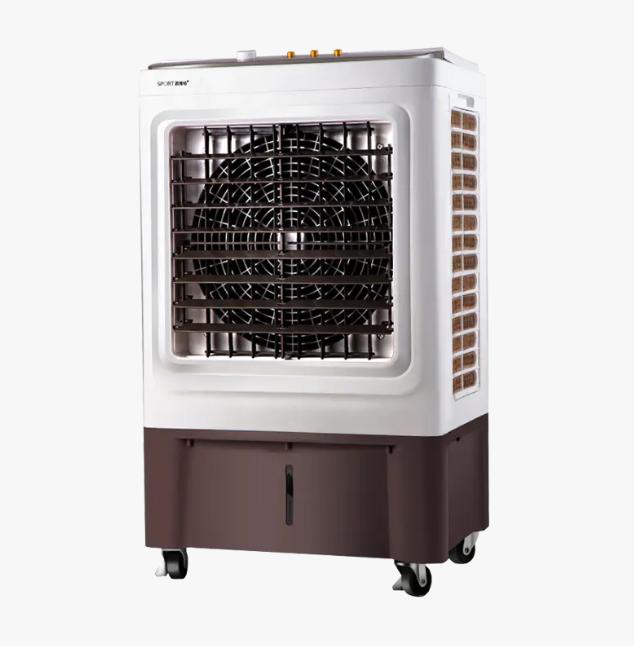
- Floor Fans: With airflow reaching 70-120 cubic meters per minute, they can quickly and evenly distribute air throughout the room.
- Circulating Fans: Enhanced cooling efficiency through air circulation design, especially suitable for living rooms or open-plan offices.
- Adjustable Height and Oscillation: Facilitates airflow coverage throughout the space, improving comfort.
For example, a floor cooling fan with an airflow of 100 cubic meters per minute can lower the temperature of a 30-square-meter living room by approximately 2-3°C within 15 minutes, significantly improving indoor comfort.
Office Environment: Low Noise and Precise Direction are Key
In an office environment, cooling fans not only need to cool the air but also avoid disrupting work:
- Table fans or small floor fans: Moderate airflow and noise levels between 40-50 decibels help maintain concentration.
- Directional airflow design: Avoids direct airflow onto people, reducing discomfort.
- Intelligent control functions: Some cooling fans support automatic speed adjustment based on temperature sensors, improving energy efficiency.
Statistics show that offices using low-noise cooling fans have an average increase of about 15% in employee job satisfaction and concentration, while reducing reliance on air conditioning.
Additional Functions: Smart Features and Improved Air Quality
Modern cooling fans are more than just cooling tools:
- Smart remote control and app control: Allows for remote adjustment of fan speed and mode, enhancing ease of use.
- Air purification or humidification functions: Suitable for homes and offices with dry or heavily polluted air.
- Timer and sleep modes: Automatically shuts off at night or when not in use for extended periods, saving energy and ensuring safety.
When purchasing, it is recommended to consider actual needs and avoid increasing the budget for infrequently used functions. Choosing the right cooling fan for your home or office environment is key, and it's crucial to match it to the size of the space, the usage scenario, noise levels, and any additional features. Tower or table fans are suitable for bedrooms and small spaces, floor-standing or circulating fans are better for living rooms or open spaces, and offices require low-noise cooling fans with precise airflow. By making the right choice, you can achieve optimal cooling while maintaining comfort and energy efficiency.

 CONTACT US