
 EN
EN  English
 中文简体
中文简体 عربى
عربى Tiếng Việt
Content
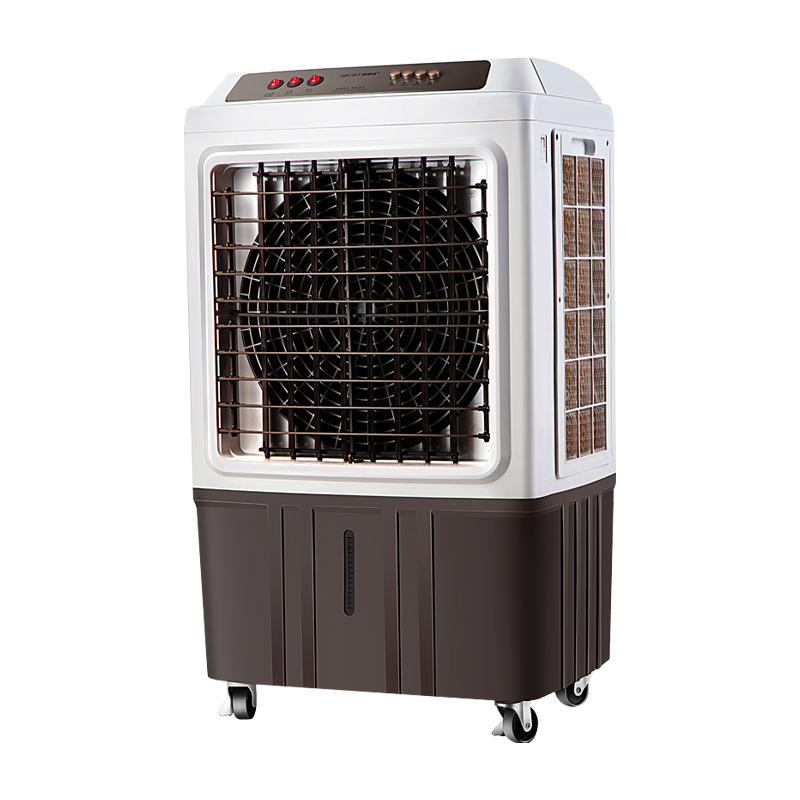
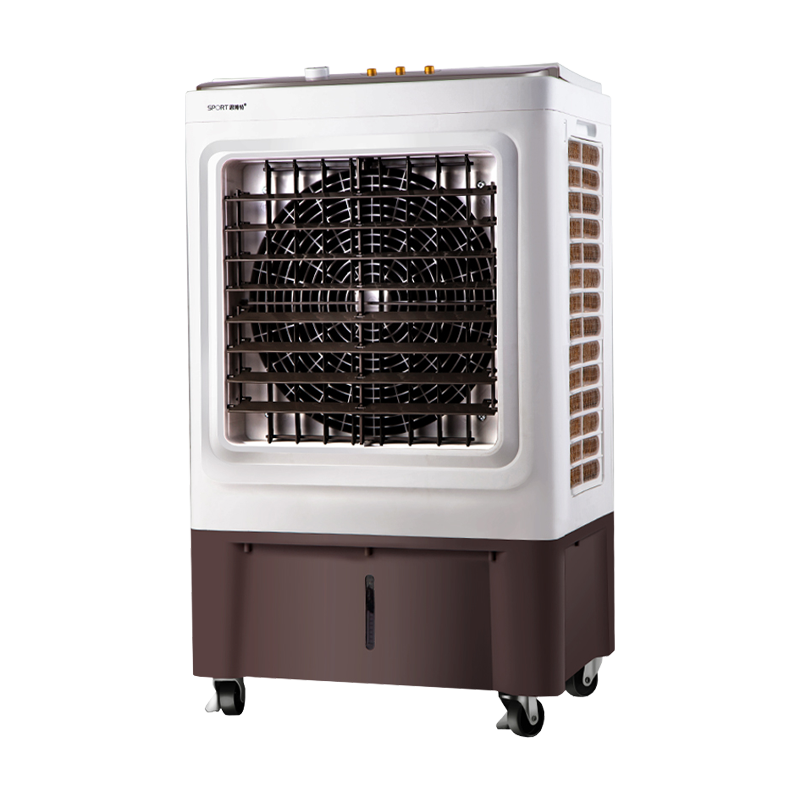
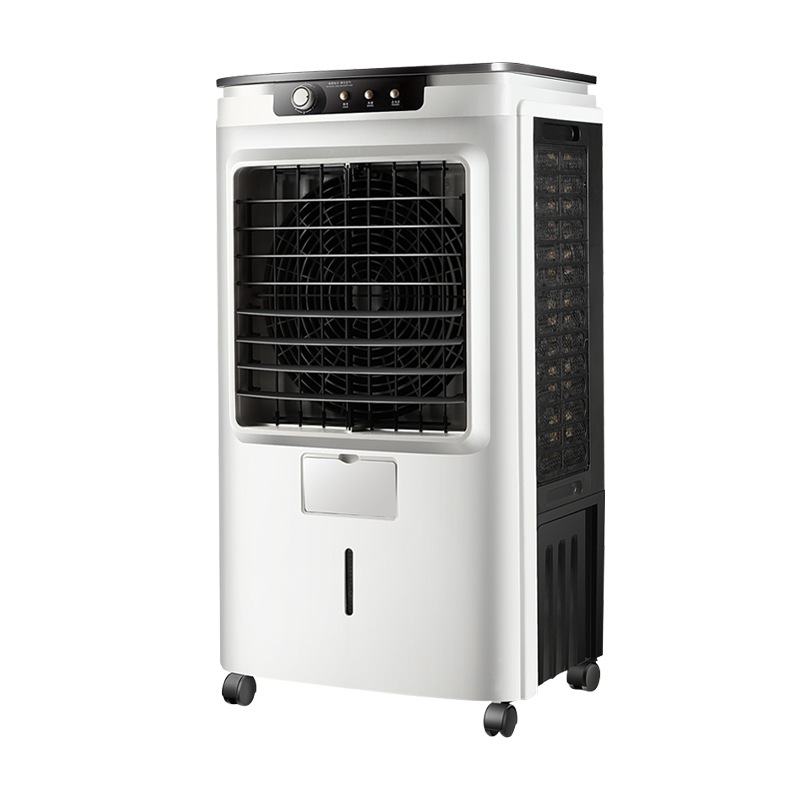
In the sweltering summer, finding an energy-efficient and effective cooling solution is always a top priority, whether in industrial plants, commercial spaces, or outdoor locations. Evaporative air coolers, with their low energy consumption and ability to introduce fresh air, have become the preferred choice for many businesses.
I. Core Principle: Dry-Bulb and Wet-Bulb Temperature Difference is Key
To understand the cooling effect, it's essential to understand the working logic of an evaporative air cooler. Unlike traditional air conditioners that rely on compressors and refrigerant, it utilizes the natural physical phenomenon of "heat absorption through moisture evaporation."
Its cooling efficiency is highly dependent on the relative humidity of the air. Simply put:
- The drier the environment, the greater the moisture-holding capacity of the air, the faster the moisture on the evaporative cooling pad evaporates, and the more heat is carried away.
- The hotter the environment, the more intense the latent heat exchange required for moisture evaporation, and the greater the temperature difference between the air outlet and the ambient temperature.
Therefore, "high temperature and low humidity (dry heat)" is the optimal environment for evaporative air coolers to achieve their maximum performance.
II. Which specific environments are best suited for use?
1. Dry climates
In Northwest my country or typical northern summers, relative humidity is usually low (often below 40%). Using evaporative air coolers in these areas can often achieve significant cooling of 8°C - 15°C.
2. Well-ventilated semi-open/open spaces
Unlike traditional air conditioners that require closed doors and windows, evaporative air coolers are essentially "fresh air systems." They continuously exhaust stale indoor air and introduce filtered, cooled fresh air.
- Factory workshops: Large areas with numerous heat sources; traditional refrigeration methods are extremely expensive, while evaporative air coolers can achieve large-area coverage.
- Logistics warehouses: Open working environments are ideal for installing this type of equipment.
- Outdoor catering and events: Cooling effects remain stable in well-ventilated areas.
3. Industrial environments with high heat sources
In injection molding, casting, and hardware processing workshops, the equipment itself emits a significant amount of heat. Evaporative air coolers, through powerful airflow, not only lower the ambient temperature but also rapidly remove heat through air convection, improving worker comfort.
III. Will the effect decrease in high humidity?
During the rainy season in southern regions or in high humidity environments (humidity exceeding 80%), the rate of water evaporation slows down, and the cooling effect is indeed slightly smaller than in drier areas. However, this does not mean the equipment fails.
Even on humid days, evaporative air coolers can still provide a physical cooling of 3°C - 5°C, and with their powerful airflow, they can still produce excellent "feeling coolness" by accelerating the evaporation of human sweat. Furthermore, their ventilation, air exchange, and dust filtration functions are unmatched by traditional air conditioners.
IV. How to optimize cooling effect?
To ensure your evaporative air cooler performs optimally, the manufacturer recommends:
- Keep the air intake unobstructed: Ensure the outdoor unit is installed in a location with fresh, unobstructed airflow.
- Properly configure air outlets: Sufficient exhaust vents (such as doors, windows, or exhaust fans) must be maintained indoors to ensure positive pressure circulation.
- Regularly maintain evaporative cooling pads: Keep the honeycomb evaporative cooling pads clean to prevent scale buildup that could affect evaporation efficiency.
Evaporative air coolers are most effective in high-temperature, dry, and well-ventilated environments. They are not only a "cooling marvel" for hot climates but also an intelligent choice that balances energy saving and environmental protection.

 CONTACT US