
 EN
EN  English
 中文简体
中文简体 عربى
عربى Tiếng Việt
-
 Industry News
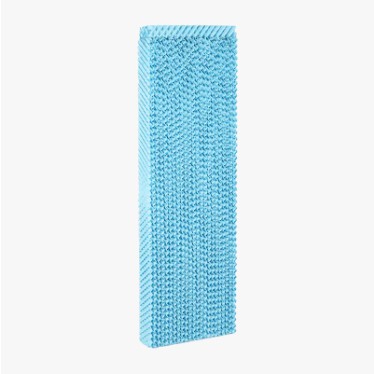
What Is the Difference Between Cellulose Cooling Pads and Plastic Cooling Pads?
Cellulose cooling pads and plastic cooling pads differ mainly in three ways: cooling efficiency, service life and upfront cost. Cellulose pads, made from treated honeycomb paper, absorb water faster and cool air by roughly 70 to 85 percent of the wet-bulb depression, making them the preferred choice for greenhouse cooling, farm ventilation and fac...
 Jul 31, 2026
 -
 Industry News
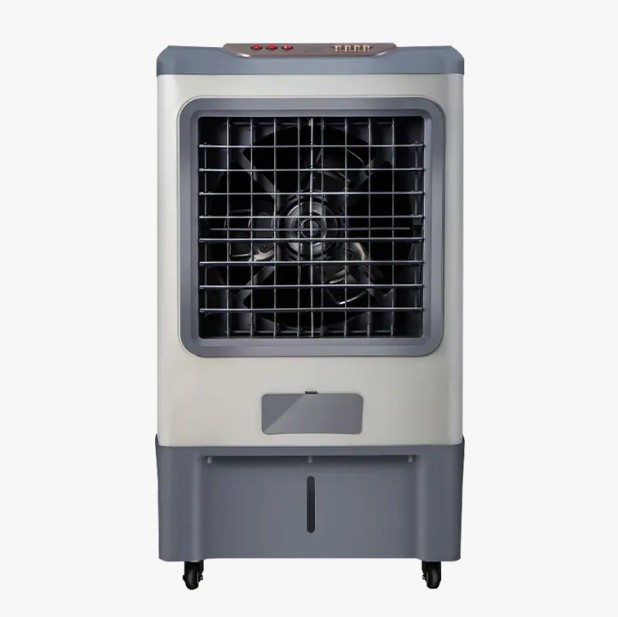
Are swamp coolers and evaporative air coolers the same thing?
Swamp coolers and evaporative air coolers are the same core technology described with two different names. "Swamp cooler" is the informal, mostly North American term, while "evaporative air cooler" is the technical and commercial name used across manufacturing catalogs, greenhouses, and industrial ventilation projects worldwide. Both rely on water...
Jul 24, 2026 -
 Industry News
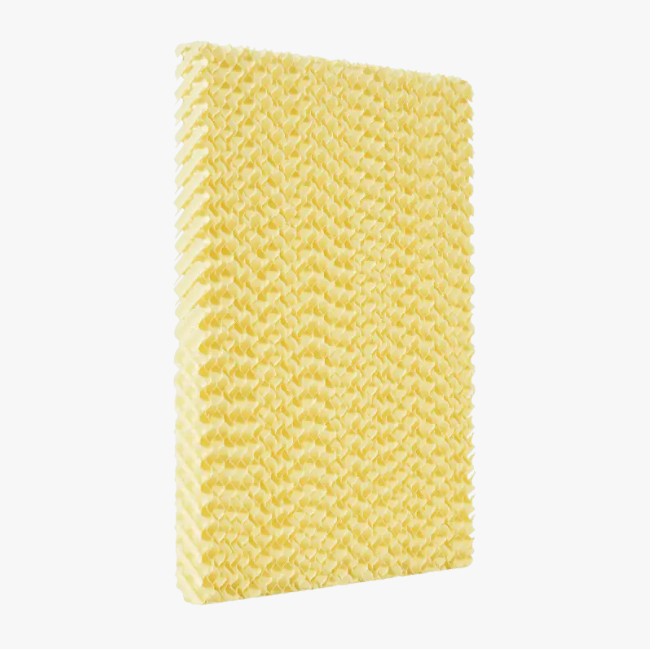
Which Evaporative Cooler Pad Materials Perform Best?
Cellulose honeycomb pads made from treated kraft paper deliver the strongest overall cooling performance for most greenhouse, livestock and industrial ventilation systems, reaching saturation efficiencies in the 80 to 90 percent range. Synthetic polypropylene pads trade some of that raw cooling power for longer service life and better resistance t...
Jul 17, 2026 -
 Industry News
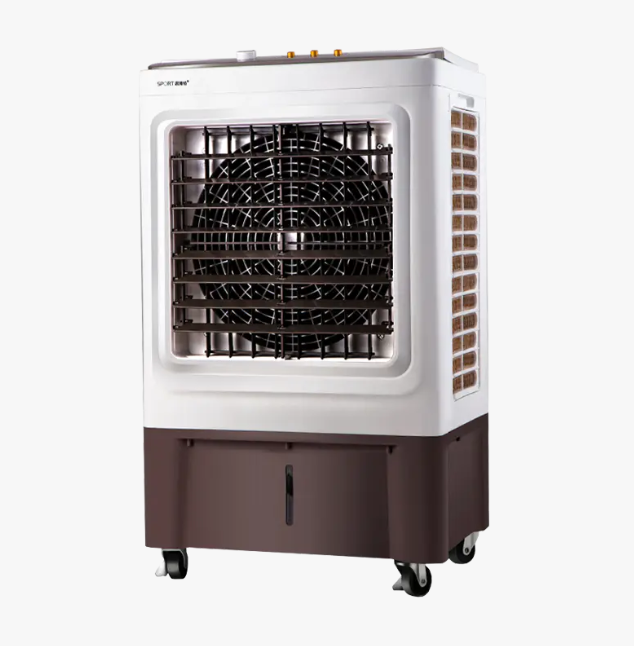
Can You Use an Evaporative Air Cooler in a Room Without a Window?
An evaporative air cooler can be used in a room without a window, but only if there is another way for warm, moist air to leave the space. Evaporative cooling depends on continuous airflow: dry air enters, passes through a wet cooling pad, picks up moisture, and exits as cooled air. If that moist air has nowhere to go, humidity climbs quickly, th...
Jul 10, 2026
If you are interested in our products, please consult us
CONTACT DETAILS
- Address: Weiyi Road, Fanshi Industrial Zone, Longshan Town, Cixi City, Zhejiang Province, China
- TEL: 86-0574-63936881
QUICK LINK
NEWS CENTER
MOBILE TREMIAL

 CONTACT US