
 EN
EN  English
 中文简体
中文简体 عربى
عربى Tiếng Việt
Content
After a hot week in July, a poultry farm manager notices the indoor temperature creeping up even though the evaporative cooler is running at full speed. The airflow at the outlet feels weaker, and a musty smell hangs around the intake side. The fault is almost always the evaporative cooling pad, the corrugated cellulose media that does the actual cooling work.
Dirty pads are the most common cause of evaporative cooler failure, yet they are also the easiest problem to fix. A regular cleaning routine restores airflow, lowers energy consumption, and adds years to pad life. This guide explains how to clean and maintain evaporative cooling pads, how often to do it, and how to spot when they need replacement.
Why Cleaning Evaporative Cooling Pads Matters
The short answer is that dirty pads stop cooling. Each pad is a honeycomb of narrow corrugated channels that hold a thin film of water. Incoming air travels through these channels, evaporates the water, and drops in temperature. When dust, mineral scale, algae, or biofilm fills the channels, airflow drops and the water film breaks apart. Cooling efficiency falls sharply, and the fan has to work harder against blocked media, which pushes up electricity use.
A neglected pad can lose more than half of its cooling capacity. In a livestock barn or greenhouse, that means heat stress for animals and plants during the hottest hours. The honeycomb geometry is what makes evaporation efficient, so keeping channels open is critical. You can read more about the physics behind this in our article on the honeycomb design of the cooling pad and its heat dissipation effect.
How Often Should You Clean Evaporative Cooling Pads?
There is no single frequency that fits every site. The right interval depends on water quality, air dust levels, and how many hours the cooler runs each day. As a general starting point, a home evaporative cooler pad needs a low-pressure rinse every two weeks, while a commercial barn or greenhouse pad can require attention every few days.
| Task | Home / Office | Workshop / Factory | Farm / Greenhouse |
|---|---|---|---|
| Visual dust check | Weekly | 2-3 times per week | Daily |
| Low-pressure water rinse | Every 2 weeks | Weekly | 2 times per week |
| Deep clean with vinegar | Monthly | Every 2 weeks | Weekly |
| Pad inspection and rotation | Monthly | Every 2 weeks | Weekly |
| Full pad replacement | Every 3-5 years | Every 1-2 years | Every 6-18 months |
Step-by-Step Cleaning Process
The following routine works for both rigid honeycomb pads and flexible cellulose media. Complete all steps with the cooler disconnected from the power supply.
- Disconnect power and water. Turn off the cooler at the breaker and shut off the water supply to avoid accidental pump operation.
- Remove the side panels. Most coolers have quick-release latches or a few screws. Keep all fasteners together.
- Take out the pads. Lift each pad carefully. If a pad is stuck, slide it out straight rather than bending it, because folded edges create channels that collapse and restrict airflow.
- Dry-clean the media. Run a vacuum with a soft brush attachment over both faces, or shake the pad gently to remove loose dust, insect debris, and cobwebs.
- Rinse with low-pressure water. Use a garden hose set to a gentle spray, not a pressure washer. Rinse from the flat side first, then the grooved side, keeping the stream perpendicular to the pad surface.
- Soak in a cleaning solution. Fill a clean tub with a 50:50 mixture of white vinegar and water. Submerge the pad fully and let it soak for 30 to 60 minutes. For heavy mineral scale, extend the soak to 2 hours and agitate gently.
- Rinse again and dry. Rinse thoroughly with clean water to remove all vinegar and dissolved minerals. Stand the pads upright in the shade and allow them to dry completely before reinstalling.
- Clean the water tray while the pads dry. Drain the tray, scrub visible scale with a plastic brush, and flush the pump filter. This step prevents the freshly cleaned pads from being re-contaminated.
- Reinstall and test. Replace the dry pads, refit the panels, restore power, and run the cooler for 10 minutes to confirm even water distribution across the full pad face.
Cleaning Solutions That Work, and Ones to Avoid
The media in an evaporative cooling pad is made of corrugated cellulose paper, often bonded with reinforcing fibers or resins. It is absorbent by design but chemically sensitive. Choose cleaning agents accordingly.
Safe and effective options
- White vinegar at 5 percent acidity dissolves mineral scale and suppresses light mold. Mix it 50:50 with water for a routine deep-cleaning soak.
- Mild dish soap removes oily film and organic grime. Use it sparingly and rinse completely, because soap residue reduces water wicking.
- Diluted hydrogen peroxide at 0.5 to 1 percent sanitizes pads with visible mold or algae without leaving a toxic residue.
Never use these products
- Bleach or chlorine degrades cellulose fibers and accelerates pad breakdown.
- Acidic descalers damage the paper structure and cause honeycomb channels to collapse.
- Solvents, degreasers, and abrasive scrubbers leave residues and scratch the media surface, reducing even water spread.
If your pad uses a coated or otherwise treated media, such as a brown rigid honeycomb cooling pad, check the manufacturer label for chemical compatibility before soaking.
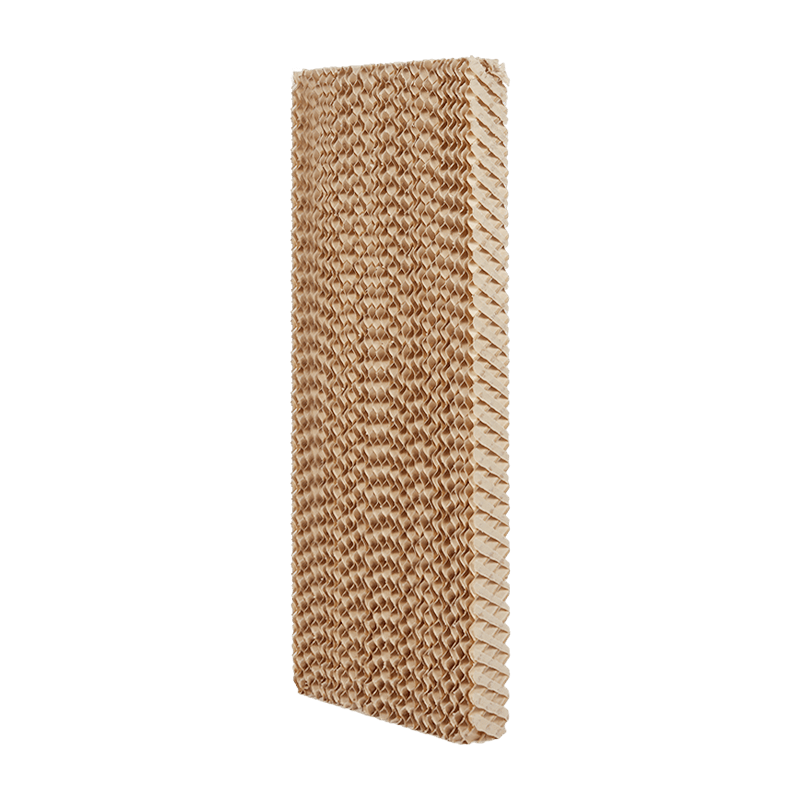 Wholesale Brown Rigid Honeycomb cooling pads Suppliers, OEM/ODM Company - QishenQisheng Paper Products Co., Ltd is China OEM/ODM Brown Rigid Honeycomb cooling pads suppliers and Brown Rigid Honeycomb cooling pads comp...View Product →
When to Replace Evaporative Cooling Pads
Even with perfect maintenance, evaporative cooling pads wear out. The key is catching a failing pad before it hurts performance.
- Mineral scaling 42%
- Biological growth 26%
- Uneven airflow wear 18%
- Physical damage 14%
Mineral scaling dominates because hard water deposits build up inside the channels and cannot be fully removed once deeply crystallised.
Signs that a pad must be replaced now
- The honeycomb channels are crushed or torn, especially at the edges.
- White mineral crust remains even after a vinegar soak.
- A musty or sour smell returns within days of cleaning.
- The pad feels brittle and breaks apart when squeezed.
- Water runs straight down the face instead of wicking across the whole depth.
- The pad is 3 years old or older in a moderate climate.
When replacement is required, choose a pad with the original depth and flute angle. Many cooler owners pick a 5090 honey comb cooling pad because the 50-millimeter thickness balances pressure drop and water hold-up, while the 90-degree flute orientation eases installation. To keep downtime minimal, order a spare set before the hot months arrive so you can swap in a clean pad while the other one soaks.
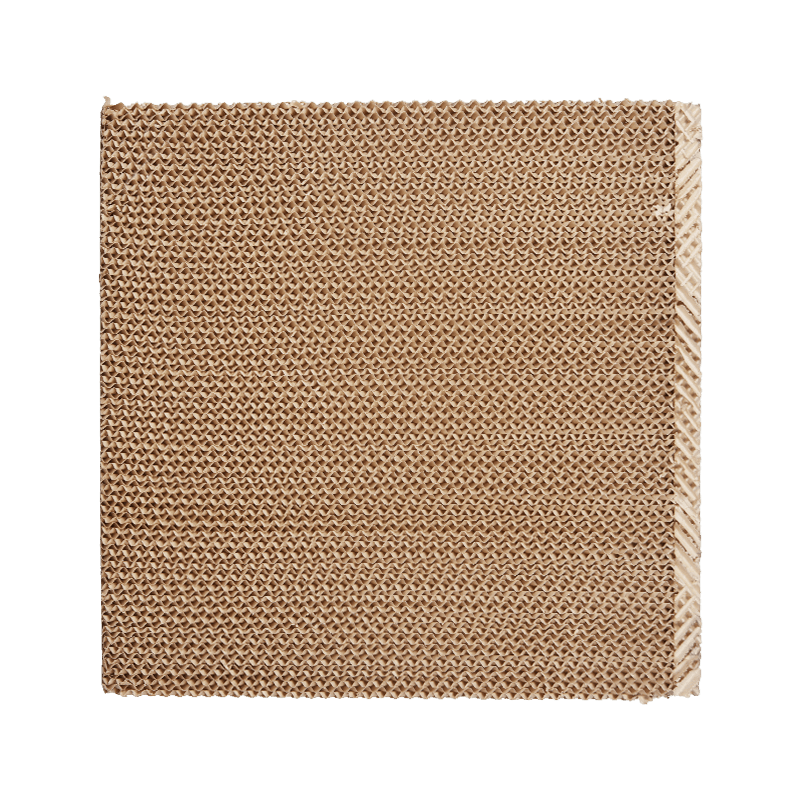 Wholesale 5090 Honey Comb Cooling pads Suppliers, OEM/ODM Company - Qisheng PapeQisheng Paper Products Co., Ltd is China OEM/ODM 5090 Honey Comb Cooling pads suppliers and 5090 Honey Comb Cooling pads company, We spec...View Product →
Seasonal Maintenance and Long-Term Care
The line chart below compares two identical coolers over a six-month operating season. The green line belongs to a pad that receives a fortnightly rinse and a monthly vinegar soak; the red line belongs to a pad that receives no cleaning at all. The maintained pad stays above 86 percent of its original performance, while the neglected pad drops to about 60 percent by mid-season and finishes at roughly 17 percent.
Use this season-by-season checklist to stay on track.
Before the cooling season starts
- Inspect pads for cracking, warping, or channel collapse.
- Flush the water tray and replace cracked pump or float valves.
- Run one cleaning cycle with vinegar before the first week of heavy use.
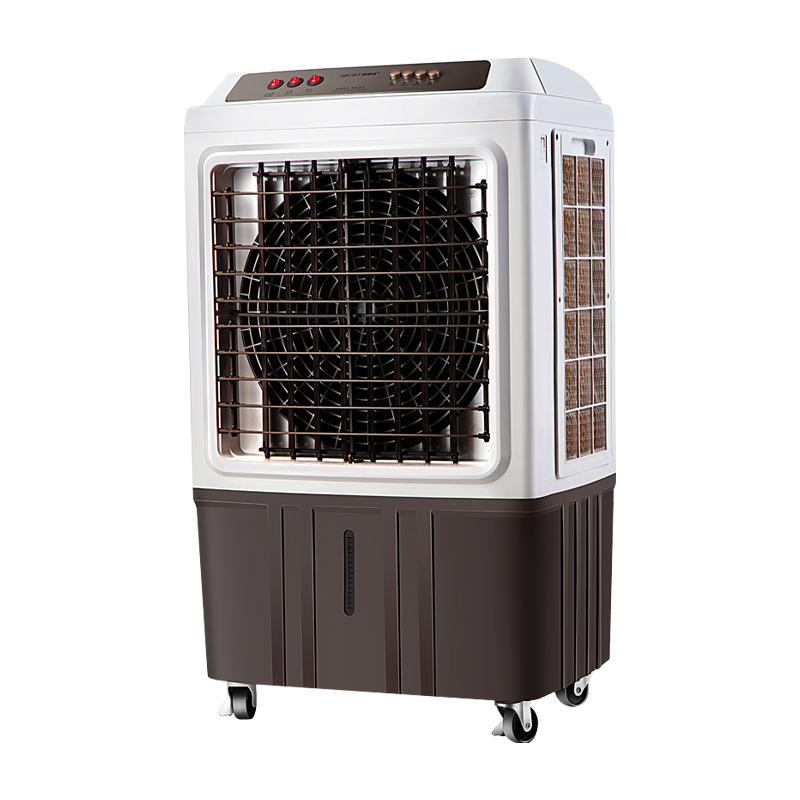
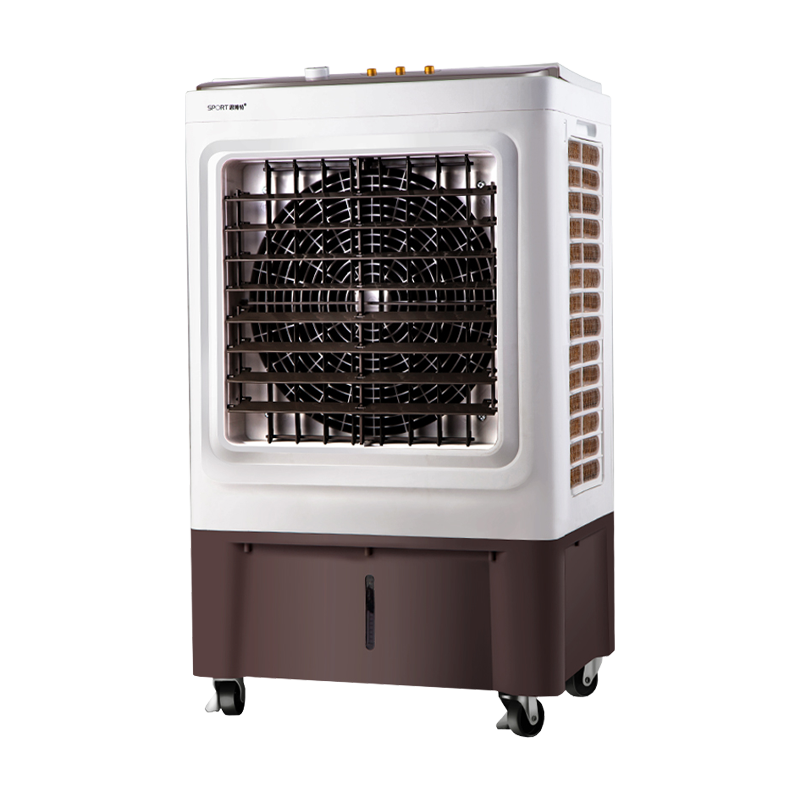
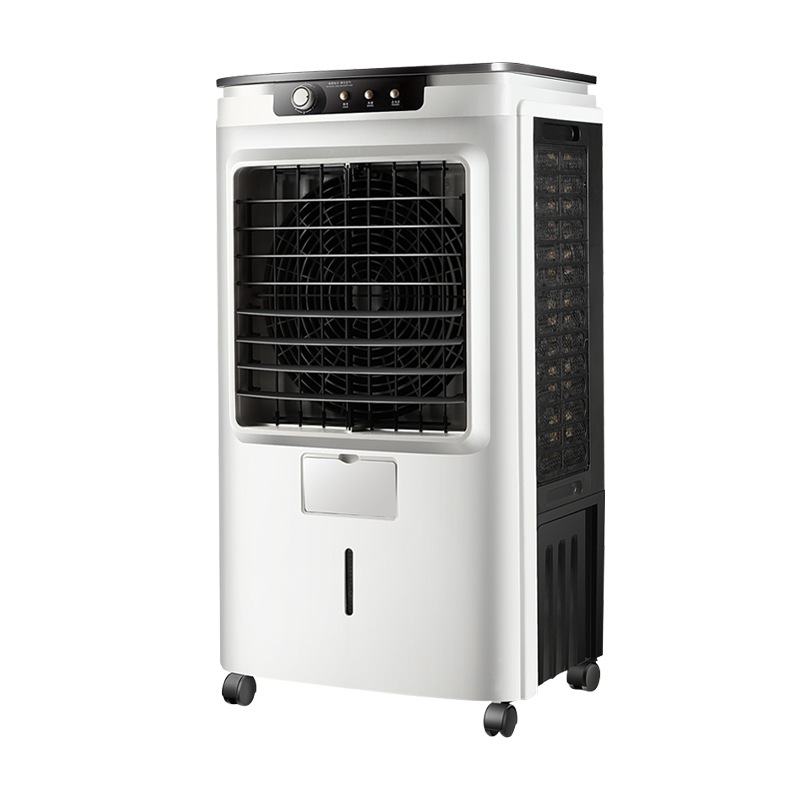
- If the cooler frame is corroded or the water circuit is unreliable, upgrading to an evaporative air cooler with an integrated cooling pad
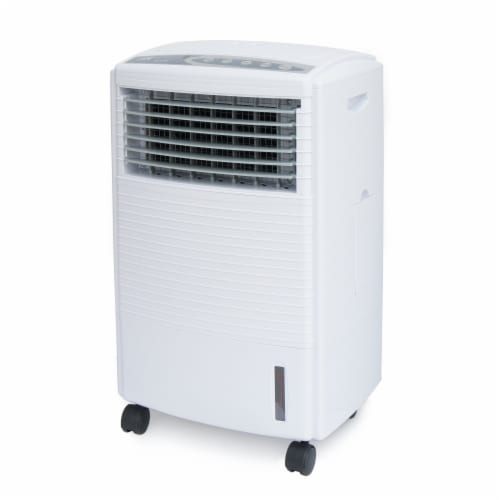 Wholesale Evaporative Air Cooler with Cooling Pad Suppliers, OEM/ODM Company - QQisheng Paper Products Co., Ltd is China OEM/ODM Evaporative Air Cooler with Cooling Pad suppliers and Evaporative Air Cooler with Coolin...View Product → removes most start-of-season problems.
During the season
- Stick to the rinse and deep-clean schedule in the table above.
- In recirculating systems, use an evaporative-cooler-safe biocide tablet or pool chlorine pellet to control algae growth.
- Watch for even water distribution across the pad face; if dry patches appear, check the header trough for blocked holes.
At the end of the season
- Drain the tank completely and remove the pads.
- Rinse, dry fully, and store pads flat in a dry place away from direct sunlight.
- Cover the cooler exterior for the off-season.
FAQ
Can I clean evaporative cooling pads with bleach?
No. Bleach and chlorine-based products attack the cellulose fibers and make the pad brittle. Use white vinegar, mild dish soap, or diluted hydrogen peroxide instead.
How long do evaporative cooling pads last?
In a typical home, expect 3 to 5 years. In a commercial or agricultural setting, pads often need replacement every 6 to 18 months, even with regular cleaning.
Does hard water damage evaporative cooling pads?
Yes. Hard water leaves calcium and magnesium scale inside the honeycomb channels. The scale blocks airflow and reduces water absorption. Vinegar soaks remove light scale, but deeply crystallised deposits cannot be reversed, which is a leading cause of replacement.
Should I run the cooler with new pads for a few hours before use?
Yes. New pads shed loose fibres during the first few hours. Run the cooler on fresh water with the vent open, or flush the tank at least once before occupying the space.
If you are not sure whether your pad should be cleaned or replaced, contact our support team with a photo and the pad dimensions, and we can give you a clear recommendation.

 CONTACT US