
 EN
EN  English
 中文简体
中文简体 عربى
عربى Tiếng Việt
Content
- 1 How Evaporative Cooling Matches Different Climate Zones
- 2 Key Factors That Determine Cooling Performance
- 3 Industrial and Agricultural Applications by Climate
- 4 Cooling Pad Technology: The Heart of the System
- 5 Environmental Benefits of Evaporative Cooling
- 6 Installation and Maintenance Considerations
- 7 Practical Decision Framework
- 8 Final Assessment
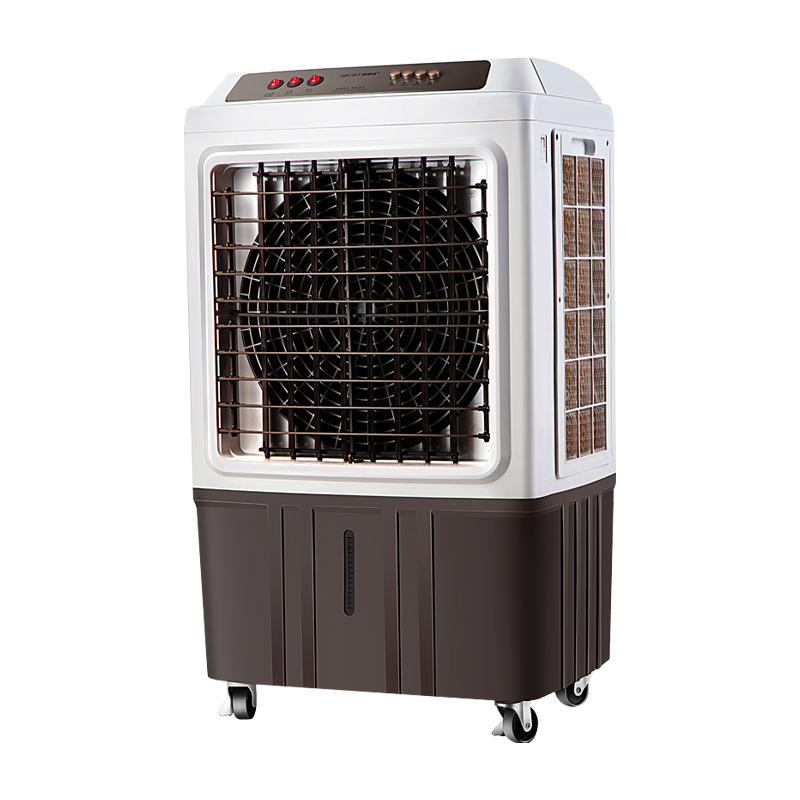
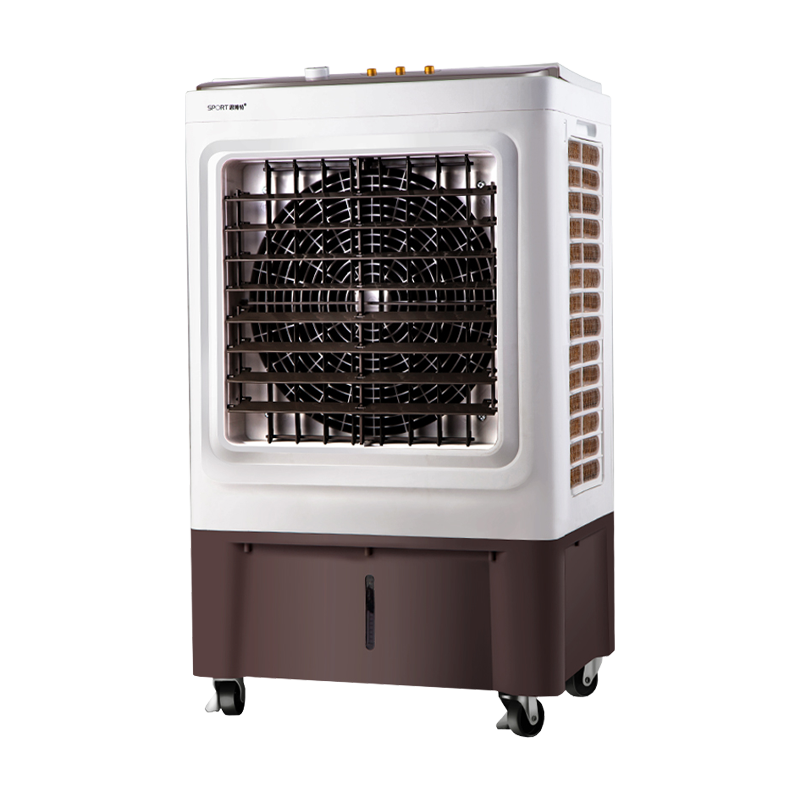
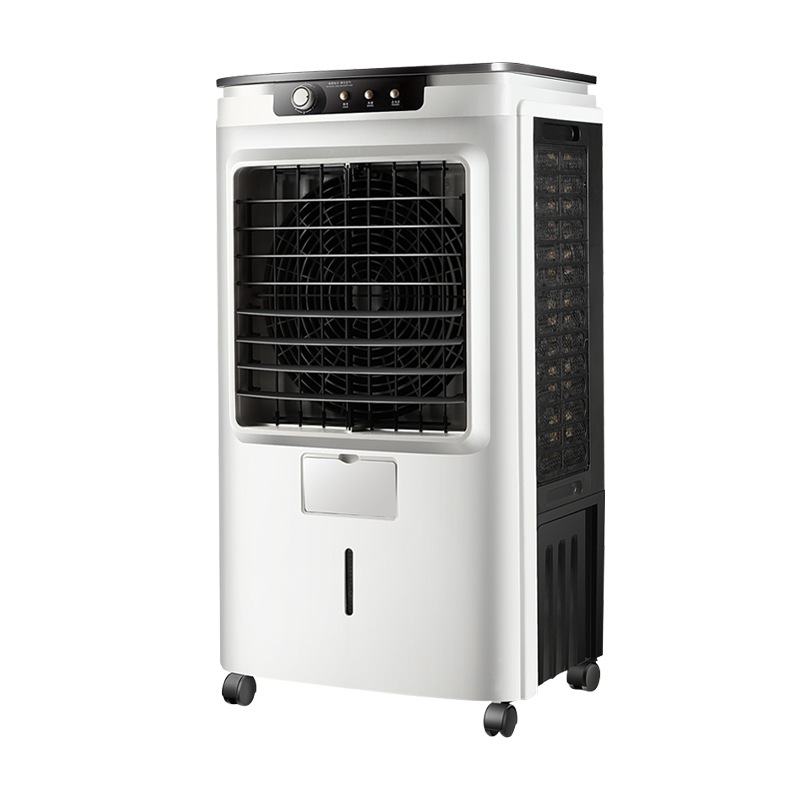
Evaporative cooling works best when relative humidity stays below 60%. In arid and semi-arid regions where summer temperatures exceed 35°C and humidity often drops below 40%, evaporative air coolers can lower indoor temperatures by 5°C to 15°C while using only 10% to 25% of the electricity consumed by traditional compressor-based air conditioning.
If your climate zone experiences high humidity consistently above 70%, evaporative cooling will deliver limited results. In those conditions, a direct evaporative cooler may actually increase indoor discomfort by raising humidity levels. For humid regions, indirect evaporative cooling systems or hybrid solutions are more appropriate.
How Evaporative Cooling Matches Different Climate Zones
The effectiveness of evaporative cooling depends entirely on the relationship between temperature and humidity in your local environment. Understanding this relationship allows you to make an informed decision about whether an evaporative air cooler suits your specific climate zone.
Arid and Semi-Arid Zones
Regions such as the southwestern United States, parts of Australia, North Africa, and the Middle East experience hot, dry summers with relative humidity frequently below 30%. In these zones, direct evaporative coolers perform exceptionally well. The dry air absorbs large amounts of moisture from the wet curtain paper, producing significant temperature drops. A well-designed evaporative air cooler with cellulose honeycomb pads can reduce incoming air temperature from 40°C to approximately 25°C under optimal conditions.
Continental and Temperate Zones
Areas with moderate humidity levels between 40% and 60% can still benefit from evaporative cooling, though with reduced efficiency. In these zones, evaporative coolers work effectively during the hottest midday hours when humidity naturally dips. For continental climates with hot summers and cold winters, portable evaporative units offer a practical cooling solution for workshops, garages, and factory floors without the installation cost of permanent air conditioning.
Subtropical and Tropical Humid Zones
In regions where summer humidity regularly exceeds 70%, direct evaporative cooling becomes less effective. When the air is already saturated with moisture, water evaporation from the cooling pads slows dramatically, limiting temperature reduction to 2°C or less. However, indirect evaporative coolers that use heat exchangers can still provide meaningful cooling in moderately humid climates by separating the evaporation process from the air stream delivered to the space.
Key Factors That Determine Cooling Performance
Several measurable factors influence how well an evaporative cooler will perform in your specific location. Evaluating these factors provides a practical framework for determining suitability.
| Factor | Ideal Range | Performance Impact |
| Relative Humidity | Below 60% | Directly determines evaporation rate and cooling capacity |
| Ambient Temperature | Above 30°C | Higher temperatures create greater cooling potential |
| Airflow Rate | 3 to 5 air changes per hour | Ensures even distribution of cooled air |
| Pad Saturation Quality | Uniform water distribution | Prevents dry spots that reduce cooling efficiency |
| Water Temperature | Below 25°C | Cooler water enhances overall heat absorption |
Industrial and Agricultural Applications by Climate
Beyond residential use, evaporative cooling serves critical functions in industrial and agricultural settings where climate conditions vary significantly.
Factory Ventilation and Workshop Cooling
Manufacturing facilities generate substantial heat from machinery and processes. In dry and temperate climate zones, evaporative cooling systems provide rapid cooling for production floors while maintaining adequate ventilation. Unlike closed-loop air conditioning, evaporative coolers continuously introduce fresh outdoor air, improving indoor air quality and preventing the buildup of fumes or airborne particles. Industrial humidifier systems integrated with evaporative coolers help maintain optimal humidity levels for sensitive manufacturing processes such as textile production and electronics assembly.
Greenhouse Cooling and Farm Ventilation
Greenhouse operations depend on precise temperature and humidity control. Evaporative cooling represents the most energy-efficient method for greenhouse cooling in dry climates. Wet curtain wall systems installed along one end of a greenhouse draw air through water-saturated honeycomb paper pads, reducing temperatures by 8°C to 12°C while simultaneously increasing humidity to levels favorable for plant growth. In poultry and livestock farming, farm ventilation and cooling systems using evaporative pads reduce heat stress in animals, improving feed conversion rates and overall productivity.
Cooling Pad Technology: The Heart of the System
The performance of any evaporative cooler depends on the quality of its cooling pads. Modern systems use cellulose honeycomb paper, also known as wet curtain paper, manufactured with specific flute angles and heights to maximize water absorption and air contact.
Cellulose Honeycomb Paper vs. Synthetic Alternatives
Cellulose cooler pads manufactured from specially treated kraft paper offer superior raw cooling performance due to their high water absorption capacity and extensive surface area. The honeycomb structure creates thousands of small air channels, forcing warm air into intimate contact with the water film. Synthetic pads provide greater chemical resistance and longer service life in harsh water conditions, but they generally achieve 15% to 20% less cooling efficiency compared to cellulose alternatives. For most applications, cellulose honeycomb paper remains the preferred choice for evaporative cooling paper due to its optimal balance of performance and cost.
5090 vs. 7090 Honeycomb Pad Configurations
Evaporative cooling pads are designated by numbers indicating flute height and angle. The 5090 pad features 5mm flute height with 30°/60° angle configuration, offering higher air velocity tolerance and lower pressure drop. The 7090 greenhouse honeycomb pad uses 7mm flute height with 30°/60° angles, providing greater water retention and cooling surface area. For greenhouse cooling applications where maximum humidity addition is desired, the 7090 configuration performs better. For industrial applications requiring higher airflow rates, the 5090 pad delivers superior ventilation capacity.
Environmental Benefits of Evaporative Cooling
Environmentally friendly air conditioning cooling represents one of the most compelling advantages of evaporative systems. Unlike conventional air conditioners that rely on refrigerants with high global warming potential, evaporative coolers use only water and air as working fluids.
Energy consumption comparisons reveal substantial differences. A typical 2-ton compressor air conditioner draws approximately 3,500 watts during operation. An equivalent evaporative air cooler requires only 250 to 600 watts, representing an energy reduction of 80% to 90%. Over a cooling season, this translates to thousands of kilowatt-hours saved per unit. Additionally, evaporative coolers do not recirculate stale indoor air, continuously replacing it with filtered fresh air from outside, which improves overall indoor air quality and reduces the transmission of airborne contaminants.
Installation and Maintenance Considerations
Proper installation and regular maintenance directly impact the longevity and effectiveness of evaporative cooling systems in any climate zone.
Water Quality and Pad Maintenance
Water quality significantly affects system performance. Hard water with high mineral content causes scale buildup on cooling pads, reducing water absorption and airflow. In areas with poor water quality, water treatment systems or synthetic pad materials may be necessary. Cooling pads typically require replacement every one to two years depending on water quality and usage intensity. Regular cleaning of water reservoirs prevents algae growth and mineral accumulation, maintaining optimal cooling efficiency.
Seasonal Preparation
In temperate climate zones with cold winters, evaporative coolers require proper seasonal shutdown procedures. At the end of the cooling season, units should be drained completely, cleaned thoroughly, and stored in a dry location. Failure to drain water before freezing temperatures can cause permanent damage to pumps and reservoirs. For permanent installations such as wet curtain wall systems, protective covers and drainage procedures prevent winter weather damage.
Practical Decision Framework
Use the following criteria to determine whether evaporative cooling suits your climate zone:
| Climate Condition | Recommended Solution | Expected Performance |
| Hot and dry, humidity below 40% | Direct evaporative cooler with cellulose pads | Excellent, 10°C to 15°C temperature reduction |
| Warm and moderately humid, 40% to 60% humidity | Direct evaporative cooler with enhanced airflow | Good, 5°C to 10°C temperature reduction |
| Hot and humid, 60% to 70% humidity | Indirect evaporative cooler or hybrid system | Moderate, 3°C to 6°C temperature reduction |
| Very humid, above 70% humidity | Conventional air conditioning or desiccant cooling | Limited evaporative cooling effectiveness |
Final Assessment
Evaporative cooling provides an effective, energy-efficient solution for climate zones with relative humidity below 60%. In arid and semi-arid regions, evaporative air coolers deliver rapid cooling at a fraction of the operating cost of conventional air conditioning. For industrial applications including factory ventilation, workshop cooling, greenhouse cooling, and farm ventilation, evaporative systems offer substantial operational savings while improving air quality.
The critical factor remains your local humidity profile. Before selecting an evaporative cooling system, review historical weather data for your area, focusing on summer afternoon humidity levels. If typical readings fall below 60%, evaporative cooling represents a practical and environmentally responsible choice for your climate zone.

 CONTACT US