
 EN
 English
 中文简体
 عربى
 Tiếng Việt
-
 Industry News
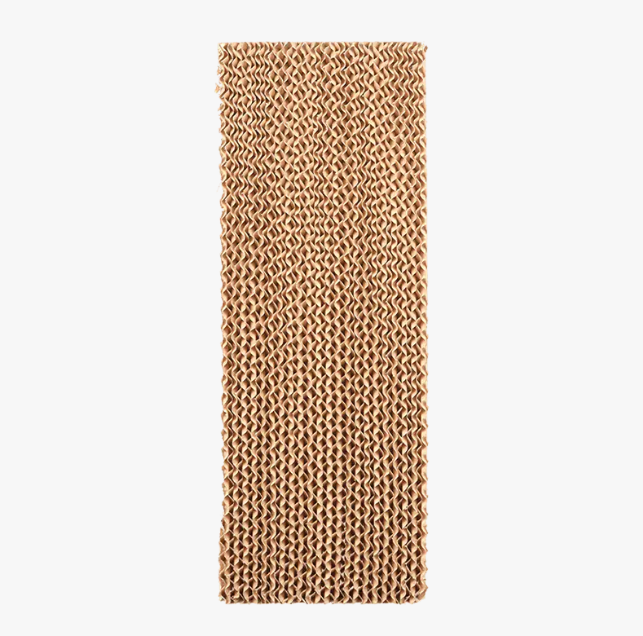
Greenhouse Cooling System Guide: Evaporative Cooling Pads, Fans & Ventilation
At 2:00 p.m. in July, the air inside a polyethylene greenhouse can climb above 45°C even when the outside temperature is 36°C. Tomato leaves curl, flowers abort, and fruit set stops for weeks. The cause is not a broken fan; it is solar gain amplified by the cladding. The most reliable fix for most dry and moderately humid climates is an evaporati...
 Aug 14, 2026
-
 Industry News
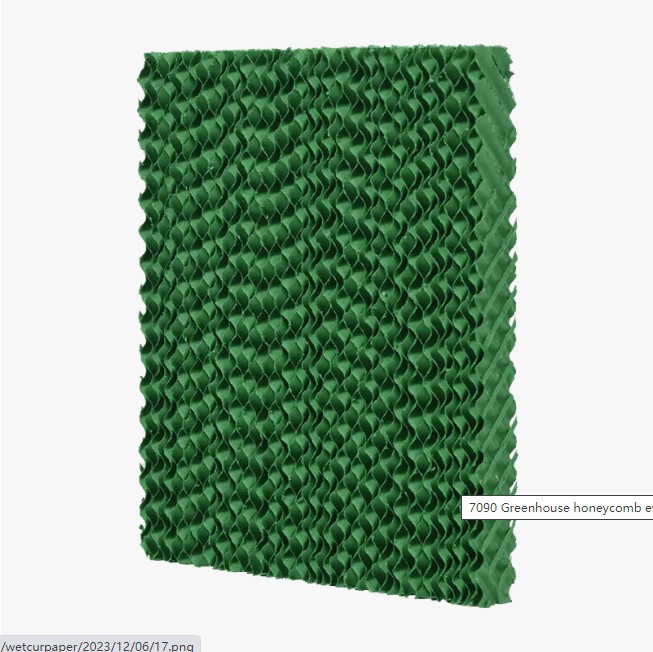
Wet Curtain Paper Guide: Rapid Cooling for Factories and Farms
Honeycomb wet curtain paper cools air by forcing hot, dry air through a water-saturated cellulose core, dropping the air temperature by roughly 4 to 15 degrees Celsius before it enters a building. This single mechanism is why the material now sits at the center of industrial humidifiers, greenhouse cooling systems, farm ventilation setups, and en...
Aug 07, 2026 -
 Industry News
What Is the Difference Between Cellulose Cooling Pads and Plastic Cooling Pads?
Cellulose cooling pads and plastic cooling pads differ mainly in three ways: cooling efficiency, service life and upfront cost. Cellulose pads, made from treated honeycomb paper, absorb water faster and cool air by roughly 70 to 85 percent of the wet-bulb depression, making them the preferred choice for greenhouse cooling, farm ventilation and fac...
Jul 31, 2026 -
 Industry News
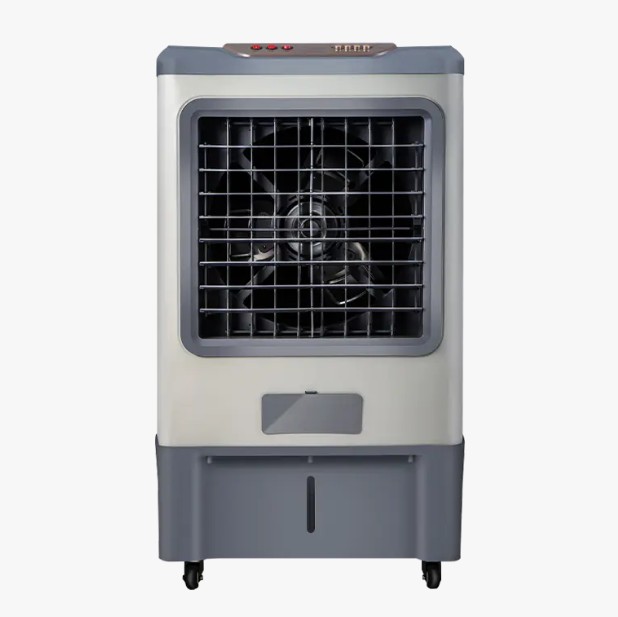
Are swamp coolers and evaporative air coolers the same thing?
Swamp coolers and evaporative air coolers are the same core technology described with two different names. "Swamp cooler" is the informal, mostly North American term, while "evaporative air cooler" is the technical and commercial name used across manufacturing catalogs, greenhouses, and industrial ventilation projects worldwide. Both rely on water...
Jul 24, 2026
If you are interested in our products, please consult us
CONTACT DETAILS
- Address: Weiyi Road, Fanshi Industrial Zone, Longshan Town, Cixi City, Zhejiang Province, China
- TEL: 86-0574-63936881
QUICK LINK
NEWS CENTER
MOBILE TREMIAL

 CONTACT US